
Marketing Automation Explained: A Beginner’s Guide to Streamline Your Marketing

Marketing has evolved rapidly in the digital age, and businesses are constantly looking for ways to improve efficiency, scale their efforts, and engage customers more effectively.
One of the most powerful tools available is marketing automation.
Understanding marketing automation is essential for any business looking to streamline processes and grow its online presence.
Many business owners and marketers ask, what is marketing automation, or wonder what marketing automation is in practical terms.
At its core, marketing automation allows businesses to automate repetitive tasks, track customer interactions, and deliver personalized communication across multiple channels.
For those just starting out, learning how marketing automation software works is the first step toward creating a more efficient marketing system.
From automated email campaigns to workflow sequences and CRM integration, marketing automation and how it works can transform the way you attract, nurture, and convert leads.
The possibilities are vast: what can you do with marketing automation?

You can manage leads at scale, send timely follow-ups, nurture prospects with targeted content, and even optimize advertising campaigns automatically.
To see how automation fits into a broader digital marketing strategy and drives real business growth, check out our Can Digital Marketing Be Replaced By AI? article.
For a deeper, step-by-step implementation guide, download our free e-book, How to Build Your Business’s Online Presence in 90 Days, packed with practical strategies to help businesses leverage automation effectively.

What is Marketing Automation?
For many businesses investing in digital marketing, the biggest challenge is not generating interest.
It is managing that interest at scale.
Leads come in through websites, ads, forms, social media, and email campaigns. Without a system in place, businesses often struggle to follow up consistently, nurture prospects effectively, and guide customers through the buying journey.
This is where marketing automation explained becomes essential.
Marketing automation allows businesses to build systems that automatically attract, educate, nurture, and convert leads online. Instead of manually performing repetitive marketing tasks, companies can create automated workflows that handle these processes in the background.
The result is a more scalable marketing system that works continuously to grow your online presence.
Understanding marketing automation what is it and how it works is one of the most important steps businesses can take to build a modern digital marketing strategy.
Understanding Marketing Automation
At its core, marketing automation connects your website, marketing channels, and customer data into a centralized system that manages interactions with potential customers.
Rather than running isolated campaigns, automation enables businesses to build structured customer journeys.
These journeys guide people from their first interaction with your brand to becoming loyal customers.
To understand how to explain marketing automation in a nutshell, think of it as a digital marketing engine that runs behind the scenes.
When a user takes an action online, such as downloading a resource, submitting a form, or visiting specific pages on your website, automation tools trigger the next step in the marketing process.

This could include sending a personalized email, assigning the lead to a sales team member, or delivering additional educational content.
Instead of marketing efforts happening manually or inconsistently, automation ensures that every lead receives the right message at the right time.
For businesses that want to grow online, this level of consistency can dramatically improve both lead conversion and customer experience.
To clearly understand marketing automation explained, it is helpful to break down the core components that power an automated marketing system.
Marketing automation refers to software platforms and technology systems that automate repetitive marketing tasks, manage customer data, and create structured communication workflows that guide leads through the sales funnel.
Many modern businesses operate using a marketing automation CRM, which combines customer relationship management with automated marketing workflows.
This integration allows businesses to store customer data, track interactions, and automatically trigger communication based on user behaviour.
For example, when someone submits a form on your website, an automated system can instantly perform several actions.
It can send a welcome email, tag the lead in your CRM, place them into an email nurture sequence, and notify a sales representative.
All of these processes happen automatically without manual intervention.
Understanding what is a marketing automation platform is key to implementing these systems effectively.
A marketing automation platform acts as the central hub that connects your marketing tools together. It integrates your website, CRM, email marketing system, analytics platforms, and advertising channels into a single coordinated ecosystem.

How Automation Integrates With Digital Marketing
Marketing automation is not a standalone tool.
It works best when integrated into a broader digital marketing strategy.
A well-designed digital ecosystem includes several components that work together to attract, capture, and convert leads.
Your website acts as the foundation of this system. It is where visitors learn about your services, consume content, and submit forms.
Digital channels such as search engines, social media, and paid advertising drive traffic to that website.
Marketing automation then takes over once a visitor becomes a lead.
When someone interacts with your business online, automation systems track those interactions and trigger the appropriate marketing responses.
For example, if a visitor downloads a guide from your website, automation software can immediately begin a multi-step email sequence designed to educate that lead and move them closer to a purchase decision.
This type of system turns isolated marketing activities into a structured funnel.
It ensures that every lead receives consistent communication and relevant information throughout their journey.
For businesses working in complex sales environments, especially those using b2b marketing automation platforms, this level of automation can dramatically improve lead management and sales alignment.

Why Invest in Marketing Automation?
As businesses grow their online presence, the complexity of managing marketing activities increases.
More website visitors, more leads, more emails, and more customer interactions can quickly overwhelm manual marketing processes.
This is why understanding marketing automation is so important for modern businesses.
Marketing automation allows companies to scale their marketing efforts without dramatically increasing time, costs, or manual workload. Instead of constantly managing campaigns one task at a time, businesses can build automated systems that continuously run in the background.
For companies learning marketing automation for beginners, the biggest realization is that automation is not about replacing marketing strategy. It is about strengthening it with systems that improve efficiency, consistency, and performance.
A well-designed automation system allows businesses to focus more on strategy and growth, while the technology handles repetitive tasks.
Saves Time
One of the most immediate benefits of marketing automation is the amount of time it saves.
Marketing teams often spend hours performing repetitive tasks such as sending follow-up emails, organizing leads, scheduling campaigns, and managing customer communications.
When businesses begin exploring marketing automation basics, they quickly discover that many of these tasks can be automated.
For example, instead of manually sending an email every time someone downloads a resource from your website, an automation system can instantly send the appropriate message when the action occurs.
This process happens automatically every time a lead interacts with your website.
Over time, these time savings compound significantly.
Rather than spending valuable hours on routine tasks, marketing teams can focus on higher-value activities such as campaign strategy, content creation, and improving customer experience.
Streamlines Repetitive Tasks
Many marketing processes involve structured sequences of steps that repeat for every lead or customer.
Without automation, businesses must manually perform each of these actions every time someone enters their marketing funnel.
Understanding what is a marketing automation software helps clarify how these repetitive workflows can be streamlined.
Marketing automation software allows businesses to create structured workflows that automatically perform multiple tasks based on user actions.
For example, when a new lead fills out a contact form on a website, automation can trigger several actions simultaneously.
The system can add the lead to your CRM, send a confirmation email, notify your sales team, and assign the lead to a nurturing campaign.
Instead of several manual steps, the entire process runs instantly through automation.
This level of efficiency is a key reason why automation has become such a valuable tool for growing businesses.

Personalizes Customer Communication
Modern customers expect personalized communication when interacting with businesses online.
Generic marketing messages often feel impersonal and are far less effective at building relationships with potential customers.
One of the most powerful aspects of marketing automation explained is the ability to deliver personalized experiences at scale.
Automation systems track customer behavior across your website, emails, and digital channels. This data allows businesses to tailor communication based on what each user is interested in.
For example, if a visitor downloads a guide related to website design, automation can send follow-up content focused specifically on website strategy and optimization.
Another lead might download a resource about digital advertising, triggering a different educational sequence.
This level of personalization helps businesses deliver more relevant information to their audience, which improves engagement and builds stronger customer relationships.
Even for businesses learning marketing automation for beginners, personalization is one of the most impactful advantages automation provides.

Improve Post-Conversion Experience
Marketing automation is not only valuable for attracting and converting leads.
It also plays an important role after a customer makes a purchase or becomes a client.
Many businesses focus heavily on lead generation but overlook the post-conversion experience. However, this stage is essential for customer retention, repeat business, and long-term brand loyalty.
Automation helps ensure that customers continue to receive consistent communication after converting.
For example, automated systems can send onboarding emails, helpful educational resources, service reminders, and follow-up surveys.
These automated interactions help customers feel supported and informed throughout their experience with your business.
When businesses understand what a marketing automation system is capable of doing, they begin to see how automation can improve the entire customer lifecycle.
Instead of communication ending after a sale, automation allows businesses to maintain ongoing relationships with their customers.

Improves Lead Nurturing
Not every lead is ready to purchase immediately.
In many industries, potential customers need time to research options, compare providers, and build trust before making a decision.
This is where lead nurturing becomes critical.
A strong marketing automation guide always emphasizes the importance of nurturing leads through structured communication sequences.
Automation allows businesses to gradually educate and build relationships with prospects over time.
For example, after downloading a guide or joining a mailing list, a lead might receive a series of emails over several weeks that provide valuable insights, helpful tips, and relevant resources.
Each message moves the prospect one step closer to becoming a customer.
Without automation, maintaining this level of consistent communication with every lead would be extremely difficult.
With automation, businesses can nurture hundreds or even thousands of leads simultaneously while delivering valuable and relevant information.

Provides Measurable Analytics
Another major benefit of marketing automation is the ability to track and measure marketing performance.
Data plays a critical role in improving marketing strategy, yet many businesses struggle to accurately measure which activities generate results.
Automation platforms solve this problem by providing detailed analytics across marketing campaigns, customer interactions, and lead behavior.
These insights help businesses understand which marketing channels generate the most leads, which content drives engagement, and which campaigns produce the highest conversion rates.
For companies learning marketing automation basics, these analytics provide valuable visibility into how their marketing systems are performing.
By analyzing this data, businesses can continuously optimize their campaigns, refine their messaging, and improve their marketing funnel.
Key Element of Marketing Automation
To fully understand what is marketing automation and how does it work, it is important to look at the core components that power an automated marketing system.
Marketing automation is not a single tool or feature. Instead, it is a collection of integrated technologies and workflows that work together to attract leads, nurture prospects, and manage customer relationships.
A well-designed marketing automation system connects communication channels, customer data, and marketing workflows into a structured digital ecosystem.
When these elements work together, businesses can automate key parts of their marketing funnel while still delivering personalized and meaningful customer experiences.
The following components represent the foundational building blocks of a successful marketing automation strategy.

Email Automation
Email automation is one of the most widely used and powerful components of modern marketing automation systems.
Email remains one of the highest-performing digital marketing channels, especially for nurturing leads and maintaining ongoing relationships with customers.
An automated email system allows businesses to send targeted messages based on user behavior, interests, and stage in the customer journey.
Instead of manually sending individual emails, businesses can design automated sequences that deliver the right message at the right time.
For example, when a visitor downloads a guide from your website, an automated email sequence can begin immediately. The first email may deliver the resource, while subsequent emails provide educational content, insights, and service recommendations.
This type of email marketing automation strategy helps guide potential customers through the marketing funnel while building trust with your brand.
Over time, automated email campaigns can significantly increase engagement, conversions, and customer retention.
SMS Automation
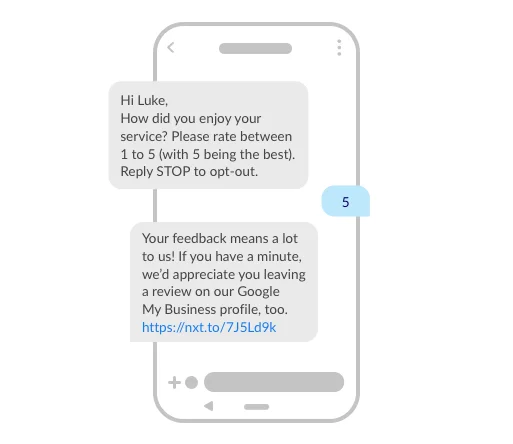
While email is an essential communication channel, SMS automation has become increasingly valuable for businesses looking to reach customers more directly.
Text messaging offers extremely high open rates and allows businesses to communicate with customers quickly and efficiently.
SMS automation allows businesses to trigger text messages based on specific actions or milestones within the customer journey.
For example, appointment confirmations, reminders, service updates, or promotional announcements can all be delivered automatically through SMS workflows.
For local service businesses, SMS automation is especially effective for reducing missed appointments and improving customer communication.
When integrated into a broader marketing automation system, SMS messaging becomes another touchpoint that supports a seamless customer experience across multiple channels.

Segmentation
Segmentation plays an important role in making marketing automation effective.
Without segmentation, businesses would be sending the same messages to every contact in their database. This approach often leads to low engagement and poor marketing performance.
Segmentation allows businesses to organize their contacts into groups based on specific criteria such as behaviour, interests, demographics, or engagement level.
For example, leads who downloaded a resource about website design may be placed into a different segment than those interested in digital advertising.
These segments allow businesses to deliver more relevant communication tailored to the needs of each audience group.
Understanding segmentation is essential when learning how marketing automation works, because it ensures that automated campaigns remain highly personalized rather than generic.
As your database grows, segmentation becomes even more valuable for maintaining targeted and effective communication.

Workflow Automations
Workflows are the engine that drives marketing automation.
If someone asks what is a marketing automation workflow, the simplest explanation is that a workflow is a sequence of automated actions triggered by specific events.
Workflows allow businesses to define what should happen when a user takes a particular action.
For example, when someone fills out a lead generation form on your website, a workflow can trigger several automated actions.
The system can send a welcome email, add the contact to your CRM, place them into a lead nurturing sequence, and notify your sales team.
These automated processes ensure that every lead receives consistent follow-up and communication.
For businesses building a digital ecosystem, workflows connect every stage of the marketing funnel.
Ultimately, workflows are what transform disconnected marketing tasks into a coordinated and scalable system.

Lead Scoring
Not every lead has the same level of interest or readiness to purchase.
Lead scoring helps businesses identify which prospects are most engaged and most likely to convert into customers.
Lead scoring assigns points to contacts based on their actions and behavior.
For example, visiting a pricing page, opening emails, downloading resources, or requesting a consultation may increase a lead’s score.
When a contact reaches a certain score threshold, the system can notify the sales team or trigger additional targeted communication.
This process helps businesses prioritize high-quality leads while continuing to nurture those who are still in the research stage.
If you want to learn how businesses capture and manage leads effectively, you can explore our Beginner’s Guide to Lead Generation, which explains how automated lead capture integrates with marketing automation systems.
Lead scoring is a powerful feature within advanced marketing automation and CRM tools, because it helps align marketing efforts with sales activity.
Instead of chasing every lead equally, businesses can focus their attention on prospects who show strong buying signals.

CRM & Software Integrations
A successful marketing automation system relies heavily on integration between different digital tools.
This is where CRM systems become essential.
A Customer Relationship Management system acts as the central database where all customer interactions, contact details, and communication history are stored.
When marketing automation integrates with a CRM, businesses gain a complete view of the customer journey.
For example, marketing automation workflows can send leads into the CRM automatically, track engagement activity, and update contact records in real time.
Sales teams can then access this information to understand how prospects have interacted with marketing campaigns before reaching out.
This level of integration creates a unified digital ecosystem that connects marketing, sales, and customer service.
For growing companies, selecting the best crm and marketing automation for small businesses is an important strategic decision.
The right platform allows businesses to manage leads, automate marketing campaigns, track analytics, and maintain customer relationships from a single system.
When these tools work together effectively, businesses gain a powerful infrastructure for scaling their digital marketing efforts.
How Marketing Automation Works
To truly understand what is marketing automation software and how businesses use it effectively, it helps to break the process down into a structured system.
Marketing automation is not simply about turning on automated emails or scheduling campaigns.
It is about designing a strategic process that guides potential customers through a structured journey, from first discovering your brand to becoming a loyal client.
A successful sales and marketing automation software setup follows several important steps. These steps ensure that automation supports the entire marketing funnel while delivering a consistent and personalized customer experience.
When implemented correctly, automation systems become a powerful growth engine that continuously captures leads, nurtures relationships, and improves marketing performance.

Step 1. Mapping Customer Journey Workflow
The first step in implementing automation is mapping the customer journey.
Think of this as creating a blueprint for your automation workflow.
Mapping the journey involves understanding how prospects interact with your business, from initial contact to purchase and beyond.
Identify key touchpoints such as website visits, form submissions, email opens, content downloads, and social media interactions.
For example, a B2B software company might outline the journey as: a visitor downloads a whitepaper, receives an educational email series, attends a webinar, and then gets a personalized demo offer.
This blueprint serves as the foundation for all automated actions.
By clearly defining each step, businesses ensure that automated campaigns are purposeful, targeted, and aligned with both marketing and sales objectives.
For companies using sales and marketing automation software, this stage ensures that every workflow serves a strategic goal rather than running in isolation.

Step 2. Setting Up Workflow Automation
Once the customer journey is clearly defined, the next step is building the automation workflows that guide leads through each stage of the funnel.
Workflows are the automated sequences that control how communication happens when users interact with your business.
Understanding what is email marketing automation is especially important during this stage because email communication often forms the core of many automation campaigns.
A workflow begins with a trigger event.
Triggers can include actions such as filling out a form, downloading a guide, visiting a specific page on your website, or signing up for a newsletter.
When the trigger occurs, the automation system performs a series of predefined actions.
For example, a lead who downloads an e-book may receive a welcome email immediately, followed by a series of educational emails over the next several days.
This type of sequence is often referred to as drip automation, where messages are delivered gradually to nurture leads and maintain engagement.
Beyond email communication, automation workflows can also integrate other marketing channels.
For example, a workflow might update a contact record within your CRM system marketing automation, assign a lead score, send an SMS notification, or trigger internal alerts for your sales team.
Advanced automation strategies may even include seo marketing automation, where new leads are automatically directed to relevant content resources based on their interests.
At this stage, businesses are essentially building the infrastructure that will power their automated marketing system.
Step 3. Test Workflow Automation
Before launching automation workflows to real leads, it is critical to test the system thoroughly.
Automation systems often involve multiple triggers, messages, integrations, and actions. Without proper testing, small errors can lead to broken communication sequences or poor user experiences.
Testing helps confirm that every workflow behaves exactly as intended.
Businesses should test each trigger event to ensure that the correct actions occur when the automation is activated.
For example, if a visitor downloads a guide, the system should correctly deliver the email, update the CRM record, and assign the lead to the appropriate segment.
Testing also helps ensure that messaging appears correctly across different devices and email platforms.
This stage is particularly important for companies implementing sales and marketing automation software, because automated systems often involve collaboration between marketing teams and sales representatives.
Testing ensures that both teams receive the correct notifications and data updates.
Taking time to test automation workflows prevents mistakes and ensures a smooth launch once the system goes live.

Step 4. Launch Workflow Automation and Track for Performance Optimization
Once workflows are tested and confirmed to work correctly, the automation system can be launched.
However, the process does not end once automation goes live.
One of the biggest advantages of modern automation platforms is the ability to track performance data and continuously optimize marketing campaigns.
This is where businesses begin to see the full power of what is marketing automation software and how it supports long-term marketing growth.
Automation platforms provide detailed insights into how leads interact with your campaigns.
Businesses can monitor metrics such as email open rates, click-through rates, engagement activity, and conversion performance.
These insights reveal how well automation workflows are guiding prospects through the marketing funnel.
For example, if a particular email in a nurturing sequence receives low engagement, the messaging or timing can be adjusted.
Similarly, if a workflow successfully converts a high percentage of leads, businesses can replicate and scale that campaign across other marketing initiatives.
Tracking performance data also helps businesses refine their overall email automation strategy and improve the efficiency of their marketing systems.
Over time, continuous optimization transforms automation workflows into highly refined marketing assets that consistently generate leads and conversions.
Common Marketing Automation Examples
Understanding what an example of marketing automation is is one of the best ways for businesses to see its real-world value.
While the concept of automation may sound technical, in practice, it’s about building systems that handle repetitive marketing tasks while improving efficiency, engagement, and conversions.
Whether you are just starting with explaining marketing automation or developing a full-scale marketing automation plan, these examples illustrate how automation can be applied across industries and marketing channels.

E-Commerce Card Abandonment
Cart abandonment is one of the most common challenges e-commerce businesses face.
A visitor adds products to their cart but leaves the website without completing the purchase.
Marketing automation tactics address this problem through automated sequences that re-engage the customer.
Once a cart is abandoned, an automated email marketing strategy can send a timely reminder, highlight the items left behind, or even offer a small incentive to complete the purchase.
This type of workflow reduces lost revenue and improves conversion rates without requiring manual follow-up from your team.
Integrating this with CRM marketing automation services ensures the lead is tracked and nurtured appropriately for future campaigns.

New Sales Lead Pipeline Automation
For B2B companies or service-based businesses, managing incoming leads efficiently is essential.
A new inquiry might require multiple steps: assigning to a sales rep, sending a welcome email, and initiating a nurturing sequence.
Lead automation systems can handle all of these steps automatically.
When a new lead enters the CRM, automation workflows assign the lead to the right sales rep, trigger educational emails, and update lead scoring based on engagement.
This approach ensures no opportunity is lost, speeds up follow-up, and supports a more predictable sales pipeline.
It’s a central component of the definitive guide to marketing automation for growing businesses.

Appointment Reminders
Service businesses, healthcare providers, and local businesses often rely on appointments.
Missed appointments not only reduce revenue but can damage client relationships.
Automation solves this by sending reminders through email or SMS at scheduled intervals before the appointment.
This workflow is simple yet highly effective in improving attendance and reducing no-shows.
For example, a dental clinic can automate appointment confirmations, reminders 24 hours prior, and follow-ups for rescheduling if the patient cancels.
These workflows reduce administrative overhead and enhance the client experience, aligning with a robust guide to marketing automation.

Onboarding Sequences
When a customer or client first signs up for a service, onboarding is crucial to ensure satisfaction and long-term engagement.
Automated onboarding sequences deliver structured, step-by-step guidance through email, SMS, or app notifications.
For example, a software company can automatically send a series of emails that introduce key features, provide tutorials, and offer helpful tips to new users.
This type of workflow not only improves user experience but also increases retention, reduces churn, and ensures that every new customer receives consistent guidance.
Onboarding sequences are a core part of marketing automation tactics that directly impact business success.

Customer Follow-Up Survey
Understanding customer satisfaction and feedback is essential for growth. However, manually sending surveys to every client is time-consuming and often inconsistent.
Automation allows businesses to schedule follow-up surveys after a purchase or service interaction.
For example, a fitness studio can automatically send a survey one week after a class, while a consultancy can request feedback after project completion.
These automated surveys not only save time but also generate actionable insights that can be used to improve services and tailor future campaigns.
Integrating survey responses into CRM marketing automation services ensures all data is centralized for reporting and further engagement.
Conclusion
Marketing automation has become an essential tool for businesses looking to scale their online presence efficiently and effectively.
Understanding marketing automation explained is no longer optional; it’s a strategic necessity for companies that want to attract, nurture, and convert leads consistently while saving time and resources.
By learning what marketing automation is, businesses can design systems that automate repetitive tasks, personalize communication, and improve engagement across every stage of the customer journey.
Whether it’s email automation, workflow triggers, lead scoring, or CRM integration, a well-planned automation system transforms marketing from a manual process into a strategic engine for growth.
For businesses seeking actionable guidance, this guide to marketing automation software for businesses offers practical insights on building automated workflows, tracking performance, and aligning marketing with sales efforts.
Understanding what is marketing automation services allows companies to implement tools and strategies that streamline operations and enhance the customer experience.
Even for small businesses or beginners, grasping what marketing automation is is critical for avoiding inefficiencies and maximizing ROI. Automation enables teams to focus on strategy, creativity, and higher-level decision-making while ensuring every lead and customer receives the right message at the right time.
To take the next step, download our free e-book, How to Build Your Business’s Online Presence in 90 Days, a comprehensive resource designed to help you implement automation, optimize your marketing systems, and grow your business online.
Frequently Asked Questions (FAQ)
What is marketing automation in simple terms?
Marketing automation is a system that automates repetitive marketing tasks to engage leads and customers efficiently. In simple terms, it allows businesses to send emails, nurture prospects, manage campaigns, and track customer behaviour without manual effort. Understanding marketing automation explained helps businesses scale marketing efforts while maintaining consistent and personalized communication.
What is CRM and marketing automation?
A CRM, or Customer Relationship Management system, stores all your customer interactions and data in one place. When combined with marketing automation, a CRM and marketing automation system can trigger emails, segment leads, assign follow-ups to sales teams, and monitor engagement automatically. This integration creates a seamless workflow that improves lead management and customer relationships.
What are examples of marketing automation?
Examples of marketing automation include: automated email sequences for lead nurturing, SMS appointment reminders, cart abandonment follow-ups for e-commerce, onboarding sequences for new clients, and post-purchase customer surveys. These workflows save time, improve engagement, and ensure every lead or customer receives timely, relevant communication.
What skills do you need for marketing automation?
Implementing and managing marketing automation requires a combination of strategic and technical skills. Key skills include understanding customer journeys, creating content for automation workflows, analyzing campaign metrics, configuring automation software, and integrating tools with CRM systems. Knowledge of email marketing, workflow design, and data-driven decision-making is also essential for running effective campaigns.
What are the four types of automation?
The four main types of marketing automation are: email automation, workflow automation, lead scoring automation, and multi-channel automation. Email automation handles nurturing sequences and follow-ups. Workflow automation manages sequences of actions triggered by user behavior. Lead scoring automation prioritizes high-intent leads. Multi-channel automation integrates email, SMS, social media, and advertising for coordinated campaigns.
How to implement marketing automation?
Implementing marketing automation involves several steps: first, map your customer journey to understand touchpoints. Next, set up workflows in your automation platform or CRM marketing automation system. Then, test workflows to ensure all triggers, messages, and actions work correctly. Finally, launch the workflows and continuously track metrics for optimization, improving campaigns over time.
What comes under marketing automation?
Marketing automation includes a variety of tools and workflows that streamline your marketing processes. Common components are email campaigns, SMS automation, workflow automations, lead scoring, segmentation, CRM integrations, analytics tracking, and reporting. Essentially, anything that automates repetitive marketing tasks, nurtures leads, or manages customer relationships falls under the umbrella of marketing automation.


%20-%20Text%20%26%20Icon%20-%20White%20(PNG)_edited.png)
Bài viết dễ theo dõi, mình đọc một mạch hết và cảm ơn bạn đã chia sẻ. Mình cũng có thói quen xem thống kê XSMB mỗi ngày để nắm xu hướng, nên tự gom lại thành một trang nhỏ cho đỡ phải tìm nhiều nơi. Ai cần số liệu cập nhật theo ngày thì ghé xem thử https://tr.gravatar.com/soicauxsmbpro
https://qq88.fun/ dạo này thấy mọi người nhắc hoài nên mình cũng bấm vào xem thử cho biết. Mình không có ngồi tìm hiểu nội dung sâu hay làm gì nhiều, chủ yếu nhìn qua giao diện thôi. Cảm giác đầu tiên là trang nhìn khá thoáng, không bị nhồi chữ, mấy phần được chia thành từng khối rõ ràng nên lướt nhanh vẫn nắm được mình đang ở đâu. Mình thích kiểu sắp xếp này vì đỡ phải kéo lên kéo xuống để tìm thứ cần xem. Thanh menu để ngay chỗ dễ thấy nên chuyển qua lại cũng tiện, không phải đoán. Nói chung nhìn nhẹ mắt, đọc lướt ổn, và mấy khung thông tin xếp theo cột gọn…