
Digital Marketing Strategy for Lead Generation (Beginner's Guide)

Lead generation is a fundamental digital marketing strategy for lead generation that every business needs if they’re aiming to acquire high-ticket clients.
Simply put, if you want to attract the big spenders, you must know how to develop a lead generation strategy that works.
Lead generation is the lifeblood of modern sales. It’s the engine that powers your sales pipeline and drives your business growth. Without a consistent flow of qualified leads, your business will struggle to thrive, no matter how great your product or service is.
Effective lead generation not only helps you build a steady stream of potential customers but also targets the right audience for your offerings. With the right digital lead generation strategies, you can ensure that you're attracting individuals who are genuinely interested in what you offer. By nurturing these leads through well-planned campaigns, you can convert them into long-term, high-value clients.
In this guide, we’re going to showcase our Avansta 3 Step Lead Generation Strategy, the same proven process we use for our own lead generation campaigns to acquire leads for our web design and digital marketing services.
If you’ve been thinking about building and growing your business's online presence, our free e-book covers exactly that in just 90 days, with 6 key steps to guide you to success.

Understanding Lead Generation in Digital Marketing
If you’re looking to grow your business online, understanding what a lead is and how to attract the right ones is the first step in building an effective digital marketing strategy for lead generation.
What Is a Lead?
A lead is simply someone who has shown interest in your business by providing their contact information, whether that’s through a form, a download, a call, or even a message.
This is a big deal. Once someone has shared their details, it opens the door to building a relationship that can eventually turn into a sale. But not all leads are equal, and knowing the difference can save you a lot of time and money.

Marketing Qualified Lead (MQL) VS. Sales Qualified Lead (SQL)
In any lead generation strategy, there are two primary types of leads you’ll encounter: marketing leads and sales leads. While both are valuable, understanding the difference is key to building a strategy that converts.
There are two main types of leads you'll encounter in your lead generation strategy:
Sales Qualified Lead (SQL): High-Intent and Ready to Act
These are warmer leads who have shown strong buying intent. Think of someone who filled out your contact form asking for a quote or consultation, they're further down the funnel and ready for action.
Sales leads are our favourite kind, they’ve moved past the awareness and consideration stages and are ready to take action. These leads have a clear interest in your product or service and have likely made a direct inquiry.
Examples of sales leads include:
Someone who fills out a “Request a Quote” form
A prospect who books a consultation
A caller asking about availability or pricing
These are the kinds of leads that your sales team should prioritize immediately. They’re already problem-aware, solution-aware, and possibly even brand-aware. Your job is to close the deal.
Marketing Qualified Lead (MQL): The Start of the Journey
On the other hand, a marketing lead comes earlier in the buyer journey. These are people who have shown interest, often by engaging with your marketing content, but aren’t yet ready to make a purchasing decision.
These leads are aware of your brand but aren't quite ready to buy yet. Maybe they downloaded a free guide, signed up for a webinar, or browsed your services. They're in the research or consideration stage.
Let’s use an example from our own strategy:
We offer a free e-book called The Ultimate Guide to Building Your Business’s Online Presence in 90 Days. When someone downloads this resource, they become a marketing lead.
Why? Because they’ve engaged with our content and shown interest in digital marketing, but they’re still learning and exploring. They’re not ready to book a service or commit to a project just yet.
A successful lead generation strategy doesn’t stop once you collect a name and email. Once a marketing lead is in your system, the goal is to guide them through your marketing funnel until they’re ready to become a sales lead.
This is known as lead nurturing, and we’ll explore exactly how to do that in the next chapter.
Why Leads Matters
Understanding where your leads fall in the customer journey helps you approach them in the right way, without being too aggressive or too passive.
Your digital marketing efforts should be focused not just on collecting any lead, but on attracting the right leads.
Someone who downloads a free resource might be just starting their journey and looking for general information. While that’s still a valuable lead, they’ll require more nurturing before they’re ready to convert into a customer.
On the other hand, a lead that fills out a service inquiry form? That’s a high-intent lead who’s actively searching for a solution, you want to prioritize your follow-up with them.
Not all traffic is equal, and not all leads are equal either. The key to a successful digital marketing strategy for lead generation is understanding lead quality and optimizing your funnel accordingly.
Later in this guide, we’ll break down the top methods to attract both types of leads, plus how to nurture and convert them through strategic marketing funnels.
Want a deeper look at how the customer journey unfolds from awareness to decision? Check out our complete guide to building your marketing funnel.

Developing a Lead Generation Funnel
If you’re serious about building a digital marketing strategy for lead generation, you need a solid leads funnel strategy. This isn’t just about collecting emails, it’s about guiding potential customers through a journey that leads to real business growth.
A typical lead generation funnel includes three core stages:
Lead Capture
The first stage of any effective leads funnel strategy is to capture your potential leads. This means creating opportunities across your website, social media, and other digital platforms where visitors can provide their contact information in exchange for something valuable.
There are two main types of lead capture:
Sales Lead Capture
This includes direct inquiries like “Book a Consultation,” “Request a Quote,” or “Schedule a Demo.” These leads show high intent and are typically closer to making a purchase decision.
Marketing Lead Capture
This includes softer CTAs like downloading a free e-book, signing up for a newsletter, or accessing an educational checklist. While these leads aren’t ready to buy just yet, they’re interested in what you have to offer, and that’s a great place to start.
Lead Nurturing
Not every lead is ready to make a decision on Day One, and that’s okay. This is where lead nurturing comes in.
Think of nurturing like gradually turning up the temperature. You’re not trying to make a hard sell.
You’re building trust by offering value over time through:
Educational email campaigns
Targeted blog posts
Useful videos
Personalized content based on their interests
The goal? Keep them engaged and move them one step closer to becoming a client.
Lead Conversion
This is the final and most rewarding stage, where marketing hands the baton to sales. At this point, the lead is warm, informed, and ready to take action.
With the right message, offer, and follow-up, you can turn that lead into a paying customer.
Creating a lead generation funnel that moves from lead capture, to nurturing, and finally to conversion allows you to:
Generate a steady stream of qualified prospects
Increase conversions over time
Build long-term business growth through predictable, scalable marketing
If your digital marketing strategy for lead generation includes a clear funnel, you’ll be able to attract, educate, and convert leads with purpose, ultimately fueling your business growth.

Lead vs. Prospect vs. Customer/Client
Before we dive deeper into building your lead funnel, let’s clear up one important distinction:
What’s the difference between a lead, a prospect, and a customer or client?
Understanding this helps you better tailor your strategy focused on lead generation, so you know who you’re speaking to and what action you want them to take.
Lead
A lead is someone who has shown initial interest in your business by providing their contact information, like signing up for a newsletter or downloading a resource. At this stage, they’re simply aware of your brand.
Prospect
A prospect is a more qualified lead. They’ve moved further down the funnel and have shown a higher level of interest, such as requesting a consultation or viewing your pricing page. They’re actively considering your offering.
Customer/Client
This is the final stage, where the lead has been nurtured, converted, and is now paying for your product or service.
Each stage plays a unique role in your lead generation strategy, and understanding the difference is key to building a funnel that works.

Step 1: Lead Capture
The first step in any lead generation strategy is simple, but important: capture the lead.
After all, what’s the point of a beautifully built funnel if no one enters it?
If you want to know how to develop a lead generation strategy that actually delivers results, you need to start by collecting the contact details of potential leads in a way that feels valuable and frictionless.
And here’s the thing: people aren’t eager to hand over their email address or phone number without a good reason.
That’s why the secret to capturing leads lies in crafting a strong offer they can’t resist.
Irresistible Offer Creation
To encourage a visitor to share their contact information, you need to give them something worth their attention. We call this an irresistible offer, something that aligns with their current goals, problems, or interests.
So, how do you create an irresistible offer?
Start by understanding your audience. What are they looking for? What problems are they trying to solve? Once you know that, it becomes much easier to build an offer packed with value, something that impresses and builds trust from the very beginning.
Here are some powerful lead generation methods and strategies that work well as irresistible offers:
Free consultation calls
Free discovery meetings
Free quotes or estimates
Free audits of their website, SEO, ads, or other digital marketing channels
These upfront offers are widely used because they lower the risk for the lead. You’re giving something of value without asking for a commitment. It’s a trust-building tool, because at the end of the day, sales is built on trust.
Think about it: if your service costs $2,000+, most people aren’t going to jump in without knowing who they’re working with. An offer like a free consultation or audit lets them get to know you without pressure, and that makes it easier to move them toward the next step.
Make sure your offer communicates this clearly: “Free. No obligation.” That message is powerful, it encourages leads to reach out without feeling tied down.
Gated Content: Lead Magnets
If you’re looking to collect a high volume of leads at the top of your funnel, lead magnets are one of the most effective strategies available.
A lead magnet is a free resource that someone receives in exchange for their contact information, usually a name and email. This method works best when you're targeting people who are still early in their buyer’s journey.
Why do lead magnets work?
Because they offer instant value without pressure. The lead isn’t ready to buy yet, but they’re interested. And that’s the door you need to open.
Some of the best-performing lead magnets in 2024 include:
E-books
Templates
Resource guides
Checklists
Free audits or tools
Webinars or workshops
When building your lead magnet, keep your form simple. Asking for too much upfront (like phone number, business size, budget, etc.) can scare people away. For these types of leads, name and email are usually enough.
Lead Magnet Example:
If you’re in the solar industry, a great lead magnet might be:
“The Ultimate Beginner’s Guide to Going Solar in 2024”
This would attract first-time solar buyers and provide them with valuable information, while also capturing their contact info for future follow-up.
At this point, they’ve shown interest, but they’re not ready to buy. And that’s okay.
That’s where Step 2 of your lead generation funnel comes in: lead nurturing, which we’ll dive into next.

Multi-Channel Lead Acquisition
Let’s get one thing straight, having a great offer isn’t enough.
You could have the most irresistible offer in your industry, but if no one sees it, it’s not going to move the needle. This is a common pain point for many businesses. They build something valuable, but struggle to gain traction simply because their reach is limited.
That’s why one of the best lead generation tactics you can implement is a multi-channel lead generation strategy, where your offer gets distributed across multiple platforms and touchpoints. The goal? Meet your potential leads where they are, not where you hope they’ll be.
At Avansta, we approach this with our Pull–Push–Accelerated Growth method, which we break down fully in our Volume Marketing Strategy guide.
A strong lead generation strategy isn’t about picking one channel and hoping it works, it’s about creating a system that leverages multiple channels working in sync.
When your message is consistent across paid ads, SEO content, social posts, and email campaigns, your brand becomes recognizable, and that familiarity increases conversions.

Inbound Marketing (Pull)
Inbound marketing is all about attracting leads by creating valuable, relevant content that pulls them toward your brand, rather than pushing ads at them.
This strategy focuses on solving your target audience’s problems or answering their questions, which naturally builds awareness and trust.
The best part?
It’s often completely free to get started. That’s why an inbound lead generation strategy is a powerful option for businesses looking to either launch or scale their marketing efforts.
Let’s explore how content marketing for lead generation fits into this approach and how you can use it across different platforms.

Social Media Marketing
Social media marketing is one of the most popular and accessible forms of inbound marketing. It allows you to consistently share valuable content, build community, and nurture your audience, all without spending a dollar on advertising.
But how does social media lead generation work?
Think of it like this: you're scrolling through Instagram or TikTok and stumble upon a chef who shares mouth-watering recipes. In their bio or caption, they offer a free recipe e-book in exchange for your email. That e-book is their lead magnet, and when you download it, you’ve officially become a lead.
This is a classic example of how lead generation strategies for social media are built around value exchange. The content attracts your attention, builds interest, and funnels you toward an offer.
Here are a few practical tactics to generate leads from social media:
Repurpose your lead magnet into short-form content
Share snippets, insights, or tips from your free e-book, webinar, or template.
Include clear calls-to-action (CTAs) in your captions and bio
Direct users to a landing page where they can access your free offer.
Use story highlights and pinned posts to showcase your lead magnet.
Direct Message (DM) strategy
On platforms like Facebook, LinkedIn, or Instagram, it's common to message new followers with a soft introduction and a free resource.
It’s important to recognize that social media can function as a lead funnel on its own, especially when content is intentionally created with lead generation in mind.
For example, a solar energy company could use Instagram Reels to share quick tips about home energy savings, then invite viewers to download their free guide: "The Ultimate Guide to Getting Solar for the First Time."
This lead magnet ties directly into their content and provides real value, resulting in high-quality inbound leads.
Inbound marketing is not about hard-selling, it’s about building authority and creating demand. When you pair compelling content with intentional social media lead generation strategies, you can start capturing leads organically and nurturing them over time.

When it comes to B2B or professional service-based businesses, LinkedIn is one of the most powerful platforms for lead generation.
It's designed for networking, decision-maker access, and thought leadership, all of which are ideal for attracting and converting leads.
A strong LinkedIn lead generation strategy focuses on two core areas: organic content and direct outreach.
Optimize Your LinkedIn Profile
Your profile acts as your landing page.
It should clearly communicate:
Who you help and how you help them
The value of your offer
A call-to-action (such as a link to your lead magnet or free consultation)
Make sure to include a professional headshot, a compelling headline, and a featured section that highlights your free resource or service. One of the LinkedIn lead generation best practices is ensuring your profile speaks directly to your ideal client’s pain points and desired outcomes.
Share High-Value Authority Content
Content is at the heart of inbound lead generation on LinkedIn. Create content that positions you as a trusted expert.
This includes:
Industry insights
Actionable tips
Case studies
Thought leadership posts
Content that ties directly to your lead magnet or service offering
When you consistently post content that solves real problems for your target audience, you naturally build trust, and attract inbound leads who are already interested in what you offer.
Direct Outreach with a Free Offering
One of the most underused but effective LinkedIn lead generation strategies is personalized outreach. Instead of cold-pitching your service, offer real value upfront.
For example:
“Hey [Name], I noticed you're in the [industry] space. I created a free resource that’s helped a lot of business owners like you improve their [result]. Happy to share it with you if you're interested!”
This soft, value-driven approach is far more effective than a hard pitch. The key is to tailor your message to the individual and keep it short, friendly, and focused on helping,
By combining these elements, an optimized profile, consistent authority content, and intentional outreach, you’ll build a LinkedIn lead generation strategy that attracts quality leads, builds long-term relationships, and drives real results.not selling.

SEO & Blogging
One of the most powerful ways to generate leads is through organic search. This is where a solid SEO lead generation strategy comes into play, helping your website show up on Google and other search engines when your customers are searching for solutions you offer.
What is SEO?
SEO, or search engine optimization, is the practice of optimizing your website to ensure it ranks higher in search engine results for relevant keywords.
While it might sound complex, it’s not as difficult as it seems. In fact, we’ve even created a comprehensive guide to SEO for those looking to rank number one on Google.
The goal of SEO is simple: make it easier for search engines (like Google) to find your website, understand it, and present it to users who are looking for what you offer.
Let’s say you're a solar panel installation company in Calgary. If potential customers are searching for "Calgary solar panels company," then ranking for that keyword phrase is important. This is where on-page SEO comes into play.

On-Page SEO
On-page SEO involves optimizing the content on your website for the keywords that matter most to your customers.
For example, by including the search term "Calgary solar panels company" in the title, meta description, headers, and throughout the content on your page, you signal to Google that your page is relevant for this search query.
The result? Your page has a better chance of ranking higher for that term.
But it doesn’t stop there.
Off-Page SEO & Backlinks
In a competitive field, like solar panel installation, there will likely be several companies vying for the same keywords.
This is where off-page SEO and backlinks come in. The more authoritative sites that link back to your page, the higher Google will rank it.
Backlinks serve as a vote of confidence from other sites.
The more high-quality backlinks you have, the more likely your page will rank higher for the targeted keywords.
Technical SEO
The final piece of the puzzle is technical SEO.
This focuses on ensuring that search engines can properly crawl and index your website’s pages.
Factors such as mobile-friendliness, optimized site structure, XML sitemaps, schema markups, and proper page indexing all play a role in ensuring your site ranks effectively on search engines.

The Power of Blog Content for SEO
Once you have your SEO foundation in place, content marketing for lead generation can supercharge your results. Creating blog posts that answer specific queries your audience is searching for can help drive valuable organic traffic to your website.
For example, if you’re a gym, you might create a blog post titled "10 Best Bicep Exercises."
By doing this, you're targeting a search term that people are actively searching for, while also offering a free lead magnet, like an online muscle-building course, to capture the lead.
Blogging isn’t just about creating content for the sake of it. Lead generation through content marketing is a strategy that works in the long term. The beauty of blog content is that it’s evergreen, meaning once you create a blog post, it continues to generate traffic over time.
For example, a post like "10 Best Bicep Exercises" will continue to attract search traffic for months (if not years), compared to a seasonal post like "Best 2025 Bicep Exercises for Summer," which will lose its relevance quickly.
Another key benefit of blogging is its compound effect. Each blog post you publish adds to the overall traffic to your site.
Even if a single blog generates just a few clicks per month, over time, those clicks accumulate. More blogs lead to more traffic, and Google starts to trust your website more because it sees you’re consistently publishing fresh, relevant content.
In turn, as your website continues to gain more organic traffic through blogs, SEO leads start to grow. And since Google values regularly updated websites, your rankings will continue to improve.
When combined, SEO and lead generation through content marketing are an unstoppable duo.
By optimizing your website, publishing valuable content, and consistently improving your SEO strategy, you not only increase your website traffic generation strategies but also drive quality leads that are more likely to convert into customers.
For a complete guide on how to get ranked number one on Google, check out our complete SEO guide.

YouTube
When it comes to lead generation, YouTube might not be the first platform that comes to mind, but it’s a hidden gem that offers incredible potential.
Why?
Because YouTube is not just a social media platform; it’s actually the second-largest search engine in the world, right behind Google.
By combining the best parts of social media marketing and SEO, YouTube allows you to reach your audience in a way that’s both organic and impactful.
Simply put, your customers are already turning to YouTube to answer their most pressing questions. If you optimize your video content with relevant keywords, you can appear in the search results exactly when they’re looking for solutions.
Optimizing Your YouTube Videos for Lead Generation
To make the most of this, ensure your YouTube videos are optimized for keywords related to your business and services.
Pair that with a catchy, well-designed thumbnail and top-notch video quality, and you’ll start seeing people tune in to your content.
But don't stop there, integrate strategic calls-to-action (CTAs) throughout the video to guide viewers towards your lead magnet.
For example, if you’re a financial advisor, your lead magnet might be "The Ultimate Guide to Investing in Your 20s."
You could create engaging YouTube content around topics like “How to Invest in Your 20s” or “Investing Tips for Beginners,” which speak directly to the pain points of your target audience.
By positioning yourself as an expert in these subjects, you’re providing value that encourages viewers to take the next step, ultimately generating leads.
This approach fits seamlessly into your digital marketing strategy for lead generation, and if you partner with lead generation marketing companies who specialize in YouTube SEO, you can supercharge this process.

Word of Mouth
If there’s one thing we know for sure, it’s this: word of mouth is the most powerful marketing tool out there. When it comes to building trust and credibility, nothing beats a recommendation from someone you already know, whether it’s a family member, friend, or coworker.
Word of mouth is an inbound marketing channel that amplifies everything. The more people who know about your business, the more likely they are to recommend your services to others who are actively seeking solutions to their problems. It’s an organic form of marketing that doesn’t feel forced or intrusive, and it works wonders.
In fact, when people trust you, it’s much easier to convert them into leads, and that trust is significantly strengthened when it comes from someone they know and respect. It’s like having a personal endorsement that resonates deeply with your potential clients, which in turn makes them more likely to take action.
To make the most of word of mouth in your digital marketing strategy for lead generation, make sure your content strategy for lead generation is focused on creating exceptional experiences for your clients.
Happy customers are the most effective marketers you could ever have. And by nurturing these relationships, you not only boost trust but also encourage referrals, creating a steady stream of new leads for your business.

Outbound Marketing (Push)
Outbound marketing is a push strategy that focuses on reaching out to potential leads directly. While not as popular as it once was, outbound marketing remains an effective way to generate interest in your products or services.
While this approach isn’t as trendy or widely discussed as inbound strategies, it’s still highly effective for lead generation, especially in industries where the competition is fierce, and businesses need to be proactive.
Outbound lead generation gives you the ability to tailor your efforts to specific, targeted individuals, ensuring that you’re not just casting a wide net but honing in on potential clients who are most likely to convert.
One of the biggest selling points of outbound marketing is its cost-effectiveness. Unlike digital ads or content creation, many outbound marketing tactics are free to implement.
This includes methods like cold emailing, cold calling, and cold DMing. The key benefit of this is that you can start reaching out to potential leads without a significant financial investment.
While outbound lead generation may require time and effort to develop strong messaging, campaigns, and follow-up strategies, it’s an approach that gives you a lot of control over who you target and when you contact them.
You don’t have to rely on waiting for search engine algorithms or social media trends to deliver results.
By proactively identifying potential customers and reaching out to them, you can take control of the lead generation process without having to wait for organic growth.
Account-Based Marketing: Targeting the Right Audience
A powerful form of outbound lead generation is account-based marketing (ABM). ABM is all about identifying your ideal target audience, typically at a company level, and then reaching out to them multiple times through a variety of channels.
This strategy involves researching your target companies, understanding their pain points, and then crafting personalized messages that speak directly to those needs. You might use multiple channels, like email, social media, phone calls, or even in-person events, to reach out to decision-makers within those companies.
For example, if you offer digital marketing solutions, ABM would involve identifying companies that would benefit from these services, whether they are startups, local businesses, or large corporations.
Then, you would create specific outreach campaigns for each company, ensuring your message is relevant and compelling.
This method ensures that you're not just casting a wide net, but instead strategically focusing your efforts on high-value prospects who are most likely to convert.
This is where marketing lead generation strategies and outbound lead generation intersect perfectly. By focusing on high-value targets and reaching out to them multiple times, ABM increases the likelihood of successful conversions.
It’s a highly personalized approach that builds stronger relationships and a more qualified pipeline.

Cold Email
Cold email is one of the simplest and most direct ways to reach potential prospects. It allows you to get your message directly into their inbox, but here’s the key: if done wrong, it can quickly become annoying.
Here’s the thing: cold emailing works best when it’s done right. It’s all about personalization. Instead of sending a generic message to hundreds of prospects, take the time to research each recipient and tailor your message to their specific needs.
Personalize the subject line, introduce a relevant pain point, and offer a clear solution that will make them take action.
For instance, if you’re targeting small business owners, your email might include something like, “Struggling to generate leads from your website? Here’s how we can help.”
The key is to highlight the problem the prospect is facing and offer a specific solution you can provide. If you don’t hear back, don’t give up! Follow up with a reminder or a piece of additional value, such as a link to a case study or blog post.
When done well, cold emails can feel like a one-on-one conversation, making prospects feel as though you’ve spoken directly to their needs.
And for businesses using a marketing lead generation strategy, cold emailing can be one of the most cost-effective ways to initiate conversations with highly targeted leads.

Cold DMing
Cold DMing is another form of outbound marketing that has become increasingly popular, especially in B2B environments on platforms like LinkedIn, Instagram, or Facebook. Unlike email, DMs provide a more informal, conversational way to reach out to prospects.
Cold DMs are great because they’re quick, personal, and can lead to immediate engagement. But like cold emails, they need to be highly targeted and relevant. You want to make sure that your DM doesn’t come across as spammy or overly sales-driven.
Instead, focus on starting a genuine conversation. For instance, you might message someone on LinkedIn, “Hi [Name], I saw that your company recently launched a new product. That’s exciting! I work with businesses like yours to enhance their online presence, would love to connect.”
By crafting messages that are authentic and helpful, you’re much more likely to get a response.
Think of cold DMs as a way to warm up leads who are already active on social media platforms, and to move them further down the sales funnel.
Cold Calling
Though it may seem old-fashioned, cold calling is still a highly effective outbound marketing tactic. With cold calling, you get a chance to speak directly with a lead, providing an immediate and personal touch to your outreach.
While it may seem intimidating, when done well, cold calling can open doors to new opportunities and help build direct relationships with potential clients.
The key to a successful cold call is preparation. Know who you’re calling, have a clear script (but don’t sound scripted), and focus on how you can help.
Start by building rapport and showing genuine interest in the prospect’s needs. Then, present your solution in a way that feels relevant and timely. With a human touch, cold calling can open doors to important conversations and conversions.
Strategic Partnerships
Another form of outbound marketing is through partnerships. By collaborating with businesses or individuals in your industry, you can tap into their existing networks, providing a mutually beneficial lead generation strategy.
Partnerships can be an excellent way to get introductions to new prospects and expand your reach, leveraging someone else’s reputation and trust.
By integrating outbound marketing tactics like cold emailing, cold calling, and partnerships into your marketing lead generation strategy, you can create a well-rounded approach to building relationships and attracting high-quality leads.
While outbound marketing may not be as widely discussed today, its power lies in its ability to directly connect with prospects who are actively seeking solutions to their problems.

Paid Advertising (Accelerated Growth)
When it comes to scaling your lead generation efforts quickly, paid advertising is one of the most effective methods for reaching a high volume of potential leads.
Unlike organic strategies that take time to build momentum, paid ads give you the ability to generate leads almost immediately by placing your business in front of an audience actively searching for solutions like yours.
This is why we call it accelerated growth. Through paid advertising, you can bypass the slow burn of organic traffic and get fast results. It’s a strategy that brings speed and volume to your lead generation pipeline, making it one of the most powerful tactics for businesses looking to grow quickly and efficiently.
When combined with an organic lead generation strategy, paid advertising can enhance your overall efforts, creating a robust, multi-channel presence.
Whether it’s social media, search engines, or retargeting campaigns, you’ll have the ability to reach your target audience across multiple touchpoints at once. This synergy can be particularly effective in generating consistent leads and maintaining top-of-mind awareness with your prospects.
Why Paid Advertising Works for Lead Generation
The beauty of paid advertising lies in its accessibility and measurable results. It’s easier than ever to get started with paid ads, especially with platforms that provide clear instructions and budget flexibility.
Paid ads offer several key benefits, including:
Speed
Get your message in front of potential customers immediately.
Targeting
Reach specific audiences based on demographics, behaviour, location, and interests.
Scalability
Scale your campaigns up or down depending on your lead generation goals.
Measurability
Track your ad performance in real time and make data-driven decisions to optimize campaigns.

Social Media Ads
Social media ads are one of the most versatile forms of paid advertising, offering multiple platforms to engage with your audience.
Platforms like Facebook, TikTok, and LinkedIn have built-in advertising systems that allow you to create highly targeted campaigns based on specific user data.
Facebook Ads (part of Meta Ads) offer a powerful Facebook lead generation strategy by allowing you to target users based on their interests, behaviours, and even past interactions with your business.
TikTok Ads are perfect for businesses looking to connect with a younger, more engaged audience. By creating visually compelling, short-form videos, you can spark interest and direct users to your lead magnet or landing page.
LinkedIn Ads are ideal for B2B businesses, providing access to a highly professional audience. Whether you’re targeting decision-makers in specific industries, LinkedIn Ads can be an effective tool for account-based marketing lead generation.

Google Search Ads (PPC Advertising)
Google Search Ads (also known as PPC Advertising) are one of the most effective ways to generate leads through Google PPC leads.
These ads appear at the top of Google’s search results when users search for keywords related to your products or services. Since these ads target people who are actively searching for solutions, they tend to produce high-quality, intent-driven leads.
When creating a Google Ads strategy for lead generation, focusing on the right keywords and crafting compelling ad copy is essential.
It’s important to target keywords that align with your business offerings, and use engaging ad copy that clearly communicates the value of your service or product.
Additionally, optimizing your landing pages for conversion is important to turning those clicks into qualified leads.

Google Display Ads
Google Display Ads offer another valuable option in paid advertising. Unlike Google Search Ads, which appear when someone actively searches for a keyword, Display Ads show your ad across a network of websites that partner with Google.
These ads allow you to reach users while they’re browsing content that aligns with your target audience.
Google Display Ads are visually appealing and can increase brand awareness, drive traffic, and promote special offers. While they may not always generate immediate leads like PPC leads, they play an important role in keeping your business top of mind and nurturing prospects throughout the buyer’s journey.

Retargeting Ads
One of the most powerful paid advertising tactics is retargeting ads. These ads allow you to reconnect with people who have already interacted with your website or content but didn’t convert.
Retargeting keeps your brand visible to these potential customers, nudging them to return and complete their purchase or sign up for your offer.
Retargeting ads can be run across multiple platforms, including Google Display Network and social media, allowing you to remain in front of your audience after they’ve left your website.
For businesses focusing on PPC lead generation, retargeting is an essential strategy for improving conversion rates and ensuring no lead slips through the cracks.
The Synergy Between Paid and Organic Strategies
The true power of paid advertising comes when it’s integrated into a broader lead generation strategy that includes both paid and organic efforts.
By combining PPC lead generation with content marketing, SEO, and email campaigns, you create multiple touchpoints for your audience.
This multi-faceted approach ensures that you’re not only reaching people who are actively searching for your products but also engaging them through other channels, creating a comprehensive lead generation system.
The key takeaway is that while paid ads offer the benefit of accelerated growth, they work best when they complement your other marketing efforts, including organic strategies.
The synergy between the two ensures that you’re consistently generating leads, nurturing them through the sales funnel, and ultimately converting them into loyal customers.
By integrating paid advertising into your digital marketing lead generation strategy, you unlock the potential for quick, high-volume growth. Whether you’re using social media ads, Google PPC leads, or account-based marketing lead generation, the opportunities for accelerating your lead generation efforts are vast.
With the right approach, paid advertising can take your lead generation to new heights, driving immediate and long-term success for your business.

Conversion Optimization: Turning Visitors Into Leads
As you begin to capture leads for your offer, you'll likely encounter an important metric known as the conversion rate. This is the percentage of visitors who complete the desired action on your landing page, such as booking a consultation, scheduling an appointment, inquiring about your services, or downloading a lead magnet.
Simply put, your conversion rate tells you how well your website or landing page is performing in terms of turning visitors into potential leads.
A higher conversion rate means that a larger percentage of your website visitors are taking action, which is a clear indicator that your lead capture process is working effectively.
By tracking the conversion rate, you can determine how many leads are being captured compared to how many visitors you’re attracting. This data can be stored in your CRM (Customer Relationship Management) system, allowing you to analyze performance and make informed decisions for future campaigns.
Understanding Conversion Rate Variability
It’s important to note that conversion rates can vary greatly depending on your industry, target audience, and the offer you’re presenting.
For some industries, a 5% conversion rate may be considered low, while in others, a 0.5% conversion rate might be considered excellent.
For example, online lead generation efforts, particularly when promoting something with significant value, tend to see higher conversion rates.
The key takeaway here is that your lead magnet, such as a free resource like an e-book or a valuable guide, should generally receive a higher conversion rate. Since you're offering value without asking for a commitment upfront, visitors are more likely to take the action of downloading your resource.
Now here’s where things get exciting: conversion rate optimization (CRO). This is the process of improving your website’s ability to convert visitors into leads. Although we won’t dive deep into the technicalities of CRO, there are a few simple and effective CRO techniques that every landing page should incorporate to boost lead capture.
Mobile-First Landing Page Design
One of the most important aspects of conversion optimization is ensuring that your landing page is mobile-friendly.
Mobile-first design is essential because more and more people are browsing the web and making decisions from their mobile devices. In fact, if you're running social media marketing campaigns, a significant portion of your leads will likely come through mobile devices.
A mobile-first landing page ensures that your offer is accessible and easy to navigate for users on smartphones and tablets. By reducing distractions and focusing solely on your offer, you create a seamless, frictionless experience for mobile visitors.
This is important for improving online lead generation, as it makes it easier for users to take the next step, whether that’s filling out a form or downloading a lead magnet.

High-Converting Lead Form Fields
The form on your landing page is a critical part of the conversion optimization process. You want to make it as easy as possible for your visitors to complete the desired action, whether it’s signing up for a consultation or downloading a resource.
When it comes to lead generation, it’s tempting to ask for as much information as possible, but keep in mind that short, concise forms lead to higher conversion rates. Focus on only asking for the essential information.
For example, if you’re offering a free guide, all you really need might be a name and email address.
Asking too many questions upfront can overwhelm your visitors and lead to abandonment.
Instead, keep it simple. You can always ask for more detailed information in follow-up communications, like during a consultation or when offering a more specific quote.
Also, make sure your form is easy to use. The form should be simple and intuitive so that even visitors with minimal technical experience can fill it out without frustration. A streamlined, user-friendly form helps reduce friction and improves the chances of a conversion.
Social Proof: Build Trust with Testimonials and Reviews
To increase your conversion rate, one of the most effective techniques is showcasing social proof on your landing page. Social proof is the concept of demonstrating that others have already trusted and benefited from your services.
When prospects see that others have had positive experiences with your business, they’re more likely to trust you and take action themselves.
There are several ways to incorporate social proof into your landing pages:
Customer Testimonials
Display quotes from satisfied clients who can speak to the value of your service or offer.
Case Studies
Share detailed success stories that showcase how you helped clients achieve their goals.
Reviews and Ratings
Include positive reviews from platforms like Google or Trustpilot to build credibility.
Milestones and Achievements
Highlight any awards, recognitions, or significant milestones that demonstrate your authority in your industry.
By adding social proof, you reassure potential leads that they’re making the right decision by engaging with your offer. This helps build trust and can significantly increase your chances of conversion.
Optimizing your conversion rate is not a one-time task, it’s an ongoing process. By using these simple yet powerful techniques, like a mobile-first landing page, streamlined lead form fields, and social proof, you can improve your website’s ability to convert visitors into leads and grow your business faster.
As your online lead generation strategy evolves, continuously monitor and tweak your conversion rates to ensure you're maximizing your lead capture potential. The more you refine and optimize, the more leads you’ll generate, and the more your business will grow.

Step 2: Lead Nurturing
Now that we’ve captured a lead, the next step in our three-step strategy is lead nurturing. This is the process of building trust with your leads, and it’s crucial to understand that trust is the foundation of any successful conversion. The more trust a lead has in you, the easier it becomes to convert them into a customer.
After all, customers are more likely to buy from businesses they trust. It’s that simple.
It’s important to recognize that not all leads are at the same stage of readiness. Some leads are "hot," while others are "warm" or "cold." Understanding the difference between these lead types will help you develop an effective lead nurturing strategy.
Hot Leads
These leads are the ones most likely to convert. They’ve shown significant interest in your services, such as by booking a consultation, directly inquiring about your services, or reaching out to you for more information. These leads are ready to move forward in the sales process.
Warm Leads
These leads are interested but need a little more nurturing. They may have downloaded your lead magnet, visited your website multiple times, or interacted with your content. While they’re not yet ready to make a purchase, they’re open to further engagement.
Cold Leads
These leads may have engaged with your content, such as downloading a free guide or signing up for a newsletter, but they’re not yet ready to take action. This is where lead nurturing comes into play, you’ll need to build trust and keep them engaged until they’re ready to convert.
Lead nurturing involves providing value and guidance over time to help leads progress through the decision-making process.
Once a lead is captured, it’s about staying top of mind and building a relationship with them until they’re ready to make a purchase.

Automated Email Drip Campaigns
An automated email drip campaign is a sequence of emails sent to leads over time, designed to keep them engaged and move them closer to conversion.
These campaigns save you time while maintaining a steady connection with your leads, ensuring they receive valuable content and nudges towards taking the next step.
For example, let’s look at how Avansta uses automated email drip campaigns to nurture leads:
Immediate Follow-Up
When a lead downloads our lead magnet, "How to Build Your Business's Online Presence in Just 90 Days," they immediately receive an email with the guide. This gives them instant access to valuable information, setting the stage for building trust.
Follow-Up with More Value
After a few days, we send another email offering additional free resources that help the lead solve a specific problem. This keeps them engaged and adds more value to their journey, further nurturing the relationship.
Encourage Action
After providing value, the next step is to encourage the lead to take further action. In this case, we might invite the lead to book a free discovery meeting. This is where we nudge them closer to becoming a hot lead, ready to discuss potential solutions in more detail.
Social Proof and CTA
Once the lead has received a few emails, we can start highlighting social proof, showcasing success stories or testimonials from clients who have benefited from our services. We’ll include a clear call to action (CTA) to encourage them to take the next step, such as booking a free consultation.
This automated sequence allows us to nurture leads systematically. As leads engage with the emails, they are gradually moved further down the sales funnel, getting closer to becoming potential customers
The Power of Lead Magnets in Nurturing
Lead magnets, like free e-books, webinars, or guides, are essential tools in lead generation strategy examples. They capture a lead’s contact information and provide an entry point for nurturing.
By offering valuable content in exchange for their details, you establish a relationship from the start.
Once a lead has downloaded your lead magnet, your automated email campaign ensures that you keep the momentum going by providing them with more content and valuable insights. This process builds trust, leading the lead closer to making a purchasing decision.
With a clear lead generation strategy example, such as a well-designed lead magnet and a thoughtful email sequence, you can transform even the coldest of leads into loyal customers.
Lead nurturing is all about patience and persistence. Through the use of automated email drip campaigns, you can stay connected with your leads and guide them toward becoming customers. Not all leads are ready to convert immediately, but with the right nurturing strategy, you can build trust, add value, and move them closer to making a decision.

Email Marketing Campaigns
Once you’ve captured a lead’s contact information, email marketing becomes a powerful tool to continue the conversation and build trust with your audience. By sending emails that provide value and help leads move closer to their goals, you position yourself as an authority, increasing the likelihood of conversion.
Effective email marketing isn’t just about sending promotional content; it's about offering valuable insights and solutions. This strategy helps deepen the relationship with your leads, which ultimately drives conversions.
Repurposing Content for Maximum Impact
One of the biggest challenges with email marketing is the pressure to constantly create new content. However, with a little creativity, you can repurpose content from other channels to keep your email campaigns fresh and valuable.
At Avansta, we often repurpose our blog content in our email marketing campaigns. The topics we cover in our blogs are perfect for the leads who subscribe to our emails.
Instead of crafting entirely new content for every email, we pull highlights from our latest blog posts and offer our readers a link to read the full post. Sometimes, we’ll also link to additional resources that can provide even more value.
For example, if we’ve written a blog about "How to Build a Strong Online Presence," we can send a snippet in an email along with a call to action (CTA) to read the full blog post. This way, we’re giving our leads more of what they’re already interested in without having to start from scratch every time.
Another excellent way to nurture leads is through webinars and workshops. By hosting these events, you give leads the opportunity to engage with your business directly, ask questions, and learn more about your offerings. These face-to-face (or virtual face-to-face) interactions are among the best ways to build trust and turn leads into customers.
Personalization and Segmentation
To take your email marketing campaigns to the next level, consider personalization and segmentation.
Segmentation involves dividing your email list into smaller groups based on specific characteristics or behaviors. For instance, if a lead downloaded a lead magnet like "How to Build Your First Home in Alberta," you might send them a follow-up email campaign focused on "The Total Cost of Building a Home in Alberta." This content is more relevant to them than a general email about home renovation.
By segmenting your audience, you ensure that each lead receives content that resonates with their specific needs and interests, making your email marketing efforts more effective.
On top of segmentation, personalization adds another layer of relevance to your emails. Personalizing an email by including the recipient’s name, location, or specific interests can make the email feel more like a direct conversation, rather than a generic marketing message.
This extra touch shows leads that you’re paying attention to their unique needs, which fosters trust and increases engagement.
Email Lead Generation Best Practices
To get the most out of your email marketing efforts, here are a few email lead generation best practices to follow:
Consistency
Send emails regularly, but avoid overwhelming your leads with too many emails. Find a balance that works for your audience and provides them with continuous value.
Clear Call to Action (CTA)
Every email should have a clear, easy-to-find CTA that encourages leads to take the next step, whether that’s reading a blog, signing up for a webinar, or booking a consultation.
Test and Optimize
Constantly test different subject lines, content types, and sending frequencies to find what resonates most with your audience. Use analytics to measure open rates, click-through rates, and conversions, and optimize your campaigns accordingly.
By following these practices, you ensure that your email marketing not only nurtures leads effectively but also supports your overall lead generation marketing strategy.
Email marketing is an incredibly effective tool for lead generation when done right. By repurposing content, segmenting your audience, and personalizing your messages, you can create valuable, engaging campaigns that build trust and move leads through your sales funnel.

Follow-Up
One of the most underrated methods for building trust with leads is simply following up. Many businesses underestimate the power of consistent follow-ups, but the truth is, this strategy can make all the difference in converting leads into customers.
The golden rule in marketing is that people need to see the same message multiple times before they decide to take action. This principle applies to all types of marketing, including lead generation follow-up strategies.
If you want to build trust and eventually convert a lead, you need to stay visible and keep nurturing the relationship over time.
Think of follow-ups as opportunities to keep your business at the top of your lead’s mind. Every time you follow up, you reinforce your value and remind them why they should trust you with their business. It’s not about being pushy; it’s about being persistent in a helpful, thoughtful way.
Personalized Email
In addition to your email marketing strategy, sending personalized emails can significantly enhance your lead generation follow-up strategy. Personalized emails go a long way in making the lead feel seen and heard.
Instead of sending generic, one-size-fits-all emails, tailor your messages to the lead's specific interests, pain points, or actions.
For instance, if a lead downloaded a guide on improving their website design, you could follow up with an email that addresses common challenges related to website optimization and offer solutions that align with their business needs.
A personalized email doesn’t just feel more genuine, it shows that you understand the lead’s unique situation and are invested in helping them succeed. This builds trust and helps move the conversation forward.
Cold Call
While it may seem old-fashioned, cold calling is still an incredibly effective follow-up method. Yes, some people don’t check their emails or might even overlook responses in their inbox, but a phone call can offer a personal touch that email alone can’t.
If you’ve gathered the lead’s phone number, don’t hesitate to make the call. Even if it's a quick 5-minute conversation, it gives you the chance to build rapport and offer real-time answers to any questions or concerns they might have.
The key is to approach the call in a way that feels less like a sales pitch and more like a genuine conversation. You might be surprised how many potential clients would have slipped through the cracks if you hadn’t taken that extra step to connect over the phone.
Personalized DMs
With the rise of social media, personalized DMs are becoming an increasingly popular method of outreach. Whether it’s LinkedIn for B2B leads or Instagram for businesses offering visual services, direct messages allow you to engage leads in a more personal, one-on-one manner.
For instance, if you’re targeting a local community or niche audience, Facebook DMs might be the best channel to initiate contact. On the other hand, for more professional services, LinkedIn can be an excellent platform for building relationships through personalized messages.
The key to success with personalized DMs is to avoid coming across as salesy. Instead, focus on engaging with the lead by commenting on something they’ve shared, offering a helpful resource, or simply starting a conversation. This approach helps build trust in a way that feels organic and authentic.
A strong marketing plan for lead generation doesn’t just stop once you’ve captured a lead, it extends to how you nurture that lead and move them through your sales funnel. A solid follow-up strategy involves consistent, personalized communication across multiple touchpoints, whether that’s email, phone calls, or DMs.
By combining these strategies and ensuring that every follow-up is relevant, helpful, and thoughtful, you can turn leads into loyal customers. Remember, it’s all about staying top of mind, building trust, and offering real value that meets the lead’s needs.
Retargeting Strategy
One of the most powerful lead generation tactics you can use is retargeting. This strategy focuses on reaching out to people who have already interacted with your business but have not yet taken action, such as visitors who landed on your page but didn’t convert into a lead.
Retargeting is a form of online advertising that targets people who have previously visited your website or landing page but didn't complete the desired action. Whether it’s signing up for your newsletter, booking a consultation, or purchasing a product, retargeting allows you to serve tailored ads to these individuals as they browse other websites or social media platforms.
These ads are highly relevant because the people seeing them have already shown interest in your business, they just need that extra nudge to take action.
Why Retargeting is Important
Retargeting plays a crucial role in increasing conversion rates. Research has shown that leads who are retargeted are more likely to convert, as they’ve already shown intent by interacting with your website.
Without retargeting, you might be letting potential leads slip through the cracks, especially since not everyone will convert the first time they visit your site.
Here’s why it’s important:
Keeps Your Brand Top of Mind
It’s not uncommon for leads to visit a website but leave without converting. Retargeting ensures your brand stays visible and at the top of their mind as they continue their online activities.
Increases Conversions
Since your audience is already familiar with your brand, retargeting ads tend to have a higher engagement rate, leading to more conversions.
Cost-Effective
Retargeting is often more affordable than targeting new leads. By focusing on people who have already shown interest, you can improve your ad spend ROI.
Retargeting should be an integral part of your social media advertising strategy. It’s a highly effective method for pushing leads further down the funnel by delivering highly specific and relevant ads to those who already know about your business.
For example, if someone visited your landing page and didn’t sign up for your free consultation, you can show them an ad reminding them of the value they missed out on, or you could offer a limited-time promotion to encourage them to take action.
What makes retargeting so powerful is the ability to customize your ads. Since your audience has already interacted with your website or business, you can create ads that speak directly to their needs or interests. You can highlight specific products, services, or offers based on the page they visited or the actions they took.
This targeted approach makes retargeting one of the most effective lead generation tactics, as it ensures you’re reaching the right audience with the right message at the right time.

Step 3: Lead Conversion
In the final step of your marketing strategy for lead generation, the focus shifts from attracting and nurturing leads to converting them into customers. This is where your sales process comes into play, and where the systems you’ve built start to show their impact.
Having a clearly defined process helps ensure that your sales lead generation strategies run smoothly and that no opportunity slips through the cracks.
Offering Structure & System
No matter what you’re offering, whether it’s a consultation, a service package, or a downloadable resource, structure and consistency are key. Your offering needs to feel professional, organized, and repeatable, especially as more leads flow into your funnel.
Here are a few ways to add structure to your conversion process:
Discovery Meetings
Use a branded presentation template to walk the lead through your services.
Consultation Calls
Create a call script that includes key questions, objections to address, and a clear CTA.
Audits
Prepare a standardized checklist so every audit is consistent and thorough.
Free Quotes
Maintain a detailed pricing list to provide fast, accurate estimates.
If you’re offering a lead magnet, such as a free e-book or guide, use automations to deliver the resource instantly and continue following up without manual effort.
That systemization ensures a reliable and smooth experience for both you and the lead capture from downloads and such, the leads will always get the resources.

Pricing Strategy
Pricing isn’t just about numbers, it’s a strategic element of your sales lead generation strategy that directly impacts both conversions and profitability. Yet, many businesses struggle with pricing because it’s hard to balance value, fairness, and margin.
Here’s how to build a stronger pricing approach:
Align Your Pricing with Your Leads
It starts with knowing who your leads are. If you find that the people entering your funnel aren’t aligned with your ideal target audience, that’s your first fix.
For example, if you’re offering premium design services but attracting budget-seeking clients, it may be time to revise your targeting or messaging.
Offer Tiered Packages
Packages make pricing easier for both you and your customers. You can create three service tiers, basic, standard, and premium, with increasing levels of features and pricing.
Example:
A basic web design package might include a simple 5-page website.
A standard package might include SEO optimization and analytics.
A premium package might offer full branding, advanced features, and a year of maintenance.
Not only do packages clarify the value, but they also open up upselling opportunities.
Upsell Opportunities
Upselling works well when you can demonstrate value beyond the initial purchase.
Examples of Upsells:
A website client adds monthly SEO services.
A consulting client opts into ongoing coaching.
A branding client also purchases a content marketing strategy.
Upselling helps increase your revenue per client without needing to acquire new leads, making it a highly effective part of your marketing strategy for lead generation.
Revenue Retainer Models
If you want predictable income and long-term relationships with clients, consider shifting toward retainer-based revenue models. These models focus on recurring payments rather than one-time sales, offering stability and growth potential.
Popular Revenue Retainer Models:
Monthly Service Retainers
Ideal for digital marketing, SEO, content creation, or website maintenance.
Subscription Models
Great for offering resources, tools, or templates on a monthly or annual basis.
Support & Maintenance Plans
Provide peace of mind for clients while generating consistent income for you.
Memberships or Communities
Give clients access to exclusive content, events, or training.
Ongoing Consulting
Set up recurring strategy sessions or advisory calls.
With a retainer model, you’re not just converting a lead, you’re building a lasting relationship that fuels sustainable business growth.
Follow-Up
We know this might be an unpopular opinion, but here it is:
You need to follow up with your leads.
“But won’t they get annoyed?”
Absolutely not, they were the ones who reached out to you first.
When someone enters your lead funnel, downloads a resource, or books a call, they’ve expressed interest. Failing to follow up is like leaving money on the table.
The reality is, the worst thing that can happen is they don’t respond, or they politely decline. But the best-case scenario is that they were on the verge of making a decision and your message nudged them in the right direction.
An often-overlooked truth about sales is this: Most people don’t convert after just one interaction.
They need to see your message multiple times, this is a known principle in marketing psychology. That’s why effective sales lead generation strategies include persistent, respectful, and strategic follow-ups.
If your timing aligns with their decision-making moment, your message becomes the catalyst that turns interest into action.
To maximize response rates, don’t just rely on one method. A good follow-up strategy uses a mix of communication channels, such as:
Quick updates or reminders about your offering.
Phone Calls
Highly effective for cutting through the digital noise and grabbing attention.
Social Media DMs
Ideal for connecting on platforms like LinkedIn, Instagram, or Facebook, especially if that’s where the lead first interacted with you.
By using a mix of channels, you show genuine interest in helping the lead reach their goals, not just closing a sale.
Following up multiple times doesn’t make you pushy, it makes you committed. In fact, many successful conversions come from the third, fourth, or even fifth touchpoint.
When done right, follow-up shows that you care about helping your leads make the best decision for themselves, and that’s the kind of business people want to work with.

Objection Handling
Here’s the truth about sales (and lead conversion in general): Deals rarely close overnight.
Some leads will say yes after a quick call. Others? They’ll have questions, doubts, and sometimes push back on price or timing. This is completely normal, it’s part of the process, especially when executing a long-term digital marketing strategy for lead generation.
What separates businesses that close deals from those that lose them is one important skill: How they handle objections.
Every sales conversation, yes, even with warm or hot leads, will come with some form of resistance. It’s not that your offer isn’t good; it’s that your lead needs clarity, reassurance, or a better understanding of how your solution solves their problem.
When a lead has unanswered questions, doubt creeps in, and when doubt takes over, it’s game over.
That’s why objection handling isn’t about being “salesy”, it’s about listening, addressing concerns, and guiding the lead confidently toward the right decision.
Use an Objection Handling Document
One of the most powerful tools you can have in your sales toolkit is an Objection Handling Document.
This is a simple internal resource that outlines:
Common objections leads raise
Responses or talking points to address them
Supporting materials (like case studies, testimonials, or guarantees)
By systemizing your responses, you avoid being caught off guard and can consistently turn concerns into confidence, an essential part of any successful digital marketing strategy for lead generation.
Handling objections effectively is one of the most important aspects of converting leads into loyal customers. It’s not about “winning” a sales conversation, it’s about building trust, solving real concerns, and guiding someone toward a solution that works for them.
Mastering objection handling as part of your digital marketing strategy for lead generation can dramatically increase your close rates and create more satisfied clients in the long run.
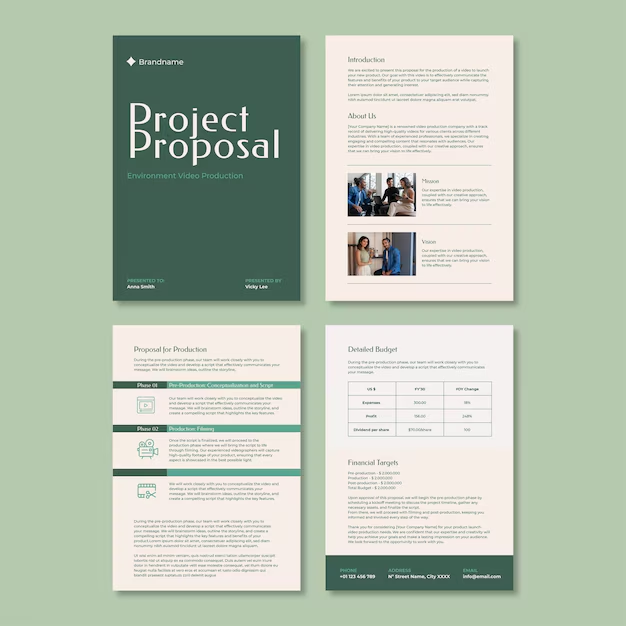
Proposal & Quote Template
As you build your sales system and improve your sales lead generation strategies, one of the smartest things you can do is create templates for key client documents, especially proposals and quotes.
Why?
Because time matters, especially when you’re dealing with warm or hot leads.
If a potential client is ready to move forward and you’re scrambling to put together a custom proposal from scratch, you risk losing the deal simply due to slow turnaround time.
What to Include in Your Proposal Template
A strong proposal or quote template typically includes:
Cover Page
With your logo, client’s name, and date
Introduction
Brief overview of the problem and your proposed solution
Scope of Work
What you’re going to deliver and what’s included
Timeline
Key milestones or delivery dates
Pricing Breakdown
Transparent pricing structure or packages
Terms & Conditions
Payment terms, revision policy, etc.
Call to Action
Clear next steps (e.g., sign, schedule a call, pay deposit)
In the world of sales and digital marketing, every second counts. Having a professional proposal or quote template on hand means you're always prepared to send the right message at the right time, without sacrificing quality.
If you’re serious about refining your marketing strategy for lead generation, then systemizing your client documents is a simple but powerful move.

Contract Template
When it comes to sales lead generation strategies, speed and clarity are essential for converting leads into paying clients. One of the most underrated assets in your sales system? A ready-to-use contract template.
For many businesses, especially those in service-based industries, a formal contract is a required step in the sales funnel. It outlines deliverables, responsibilities, timelines, and payment terms, and it protects both you and your client.
To take your lead conversion system a step further, integrate e-signature software like DocuSign, HelloSign, or Adobe Sign. These platforms allow for fast and secure online signing and automatic copies for both parties.
This small upgrade can drastically improve your turnaround time, especially with warm or hot leads who are ready to get started.
If you’re working on improving your digital marketing strategy for lead generation, don’t just focus on getting more leads, focus on converting them efficiently. A pre-built, editable contract template is a simple way to close more deals with less friction.
Payment Process (Make It Easy for Leads to Say “Yes”)
When building a successful B2B lead generation strategy, one of the most overlooked, but impactful, tactics is streamlining your payment process.
You’ve generated the lead. You’ve followed up. You’ve pitched your offer and got the yes.
Now, don’t lose the sale by making it hard to pay.
A flexible payment process can remove the final barrier between you and a closed deal. Not every customer pays the same way, and your goal is to make it as convenient as possible for them to move forward.
Here are common payment methods you should support:
Credit Card
Debit
Bank Transfer (via account number)
E-Transfer (Interac or similar)
Cryptocurrency (optional, but growing)
PayPal or invoicing platforms (like Stripe or Square)
By integrating multiple payment options into your lead generation marketing strategy, you ensure fewer abandoned deals and a smoother client experience.
An optimized payment process isn’t just about collecting money, it’s a smart piece of your overall lead generation strategy. If you want to convert more leads into clients, give them a frictionless path from “yes” to “paid.”
Conclusion
If there's one thing to take away from this guide, it’s this: successful lead generation doesn't come from one-off tactics, it comes from a well-structured digital marketing strategy for lead generation.
From setting up your systems, following up with leads, handling objections, to streamlining contracts and payment, each piece plays a role in helping you attract, nurture, and convert high-quality leads consistently.
Whether you're just starting out or looking to scale, having a clear lead generation strategy in place is essential. And while doing it all yourself can be overwhelming, working with experts can make all the difference.
That’s where we come in.
At Avansta, we specialize in lead generation strategy services designed to help businesses like yours grow smarter and faster. As one of the trusted lead generation marketing companies in Canada, we help businesses streamline their funnel and boost conversion rates with proven systems and tools.
Boost your business’s online presence with our free e-book, showing you how to build your online presence in just 90 days. Download it now!


%20-%20Text%20%26%20Icon%20-%20White%20(PNG)_edited.png)
Comments