
Top 10 Google SEO Ranking Factors (Google Algorithm Explained)

Understanding Google SEO ranking factors is one of the most important steps in building a strong and sustainable online presence.
Every website that appears on the first page of Google is there because it aligns, in some way, with a complex system of Google ranking factors that determine visibility, relevance, and authority.
These factors are not random. They are part of a structured evaluation system that guides how content is discovered, interpreted, and ranked across the web.
When businesses understand these SEO ranking factors, they gain a significant advantage in improving visibility and competing in increasingly crowded search results.
At its core, SEO is about understanding how Google search ranking factors influence which pages deserve to rank for specific queries. From content quality and backlinks to user experience and technical performance, every element of a website contributes to its overall search performance.
The challenge is that not all ranking signals carry the same weight.
Some have a stronger influence on visibility than others, and understanding the most important Google ranking factors is what separates high-performing websites from those that struggle to gain traction.

Over the years, SEO professionals have also analyzed patterns, updates, and even reported insights often referred to as google ranking factors leaked information.
While not all of these claims are verified, they highlight a consistent truth: Google uses a layered, evolving system that rewards relevance, trust, and user satisfaction above all else.
This guide breaks down the top 10 ranking factors that truly matter in modern SEO, helping you understand not just what they are, but how they work together to influence search performance.
If you want to go deeper into building a complete strategy for long-term visibility and growth, you can also download our Ultimate Guide: Build Your Business’s Online Presence in 90 Days (Free E-Book). A comprehensive framework for building a complete digital ecosystem that combines SEO, website design, and marketing systems to generate consistent leads and online growth.
Or read our Beginner’s Guide to SEO, a foundational guide that explains how SEO works, how search engines rank websites, and how to start optimizing your site even with no prior experience.

What Are Google SEO Ranking Factors?
Understanding Google SEO ranking factors is essential for any business that wants to increase visibility and organic traffic in search engines.
These factors represent the signals Google uses to determine which pages deserve to rank higher in search results and which ones should remain less visible.
At its core, Google's algorithm ranking factors are designed to measure quality, relevance, and trustworthiness. They help Google decide whether a page truly answers a user’s search intent in a meaningful way.
Search engine ranking factors are not a single checklist. Instead, they form a complex system of evaluation where content quality, technical performance, authority, and user experience all interact.
Together, these Google SEO factors determine how competitive a website can be in search results.
Ranking factors influence whether a website appears on the first page or gets buried under competitors, even if both are targeting similar keywords.

How the Google Algorithm Works (Simplified)
To understand Google SEO ranking signals, it helps to break down how the algorithm processes information. The system operates in three main stages: crawling, indexing, and ranking.
Each stage plays a critical role in how content is discovered, understood, and positioned.
Step 1: Crawling
Crawling is the discovery phase of the search process. During this stage, Google uses automated bots to explore the internet and find new or updated pages.
These bots follow links from one page to another, mapping out how content is connected across websites.
This process is part of broader Google search algorithm factors, which determine how efficiently a website can be accessed and read.
If a website has strong internal linking and a clean structure, it becomes easier for Google to navigate. On the other hand, poorly structured sites with broken links or blocked pages may struggle to get fully discovered.
In this stage, key Google website ranking factors include site accessibility, link structure, and how clearly content is organized for both users and search engines.
Step 2: Indexing
Once a page is discovered, it moves into the indexing phase. This is where Google analyzes and stores the content in its database so it can be retrieved for search queries.
During indexing, Google evaluates what the page is about, what topics it covers, and how relevant it is compared to other content on the internet.
This is where the question of what are Google SEO ranking factors becomes especially important, because not all indexed pages are eligible to rank equally. Google assesses content quality, keyword relevance, page structure, and overall clarity to determine how the page should be categorized.
If a page lacks clear signals or is difficult to interpret, it may still be indexed but perform poorly in rankings.
Step 3: Ranking
Ranking is where competition becomes most visible. Once a user enters a search query, Google compares all relevant indexed pages and determines which ones should appear at the top of the results.
At this stage, all SEO factors for Google rankings work together. These include content depth, authority signals, user engagement, backlinks, and overall page experience.
Google evaluates which page best satisfies the user’s intent, not just which page contains the keyword. This means relevance and usefulness often matter more than simple keyword placement.
The ranking process is highly dynamic, meaning positions can shift as Google continuously reassesses content quality and competition.

Why Understanding Ranking Factors Matters
Understanding SEO ranking factors explained is critical for building long-term visibility in search engines.
Without this knowledge, it becomes difficult to create content or websites that consistently perform well.
Businesses that understand Google SEO ranking factors are able to make more strategic decisions about content creation, website structure, and digital growth. Instead of guessing what might work, they align their strategy with how search engines actually evaluate pages.
Focusing on the most important Google SEO ranking factors also helps eliminate wasted effort.
Rather than producing random content or making surface-level changes, efforts can be directed toward improvements that actually impact visibility.
Over time, this leads to stronger rankings, more consistent traffic, and higher-quality leads.
Ultimately, mastering the top SEO ranking factors for Google is not just about improving search performance. It is about building a sustainable online presence that grows steadily as authority, relevance, and trust accumulate over time.
The Top 10 Google SEO Ranking Factors
When analyzing Google SEO ranking factors, it becomes clear that Google does not rely on a single signal to determine rankings.
Instead, it evaluates a combination of quality, authority, user experience, and technical performance to decide which pages deserve visibility.
These Google ranking factors for higher rankings work together as a system. Improving one area can help, but consistent growth in search visibility usually comes from optimizing multiple signals at once.
The most effective approach to SEO is not to chase shortcuts, but to understand the core SEO factors that influence how content is discovered, interpreted, and ranked by Google.
Below are the most important ranking factors that consistently shape search performance.

Ranking Factor #1: Content Quality & Relevance
Content quality is not simply about writing more words or targeting keywords. It is about depth, clarity, structure, and usefulness.
Google evaluates whether your content fully addresses a topic or only scratches the surface. Pages that provide complete, well-structured, and insightful answers tend to outperform shallow or repetitive content.
This is why content quality is considered one of the top SEO ranking factors. It directly influences how Google perceives your expertise and how users engage with your page.
High-quality content also reduces bounce rates and increases time on page, which are indirect signals that reinforce stronger visibility over time.

Why Relevance Matters More Than Keywords Alone
Relevance is how closely your content matches the intent behind a search query. Even if a page includes the right keywords, it will not perform well if it fails to match what the user is actually trying to achieve.
This is where many websites misunderstand on-page SEO ranking factors. They focus heavily on keyword placement but overlook whether the content genuinely answers the searcher’s question.
Google has become increasingly sophisticated in understanding intent. It evaluates context, related topics, and semantic meaning rather than relying on exact keyword matches alone.
A highly relevant page does more than mention a topic. It explains it clearly, supports it with context, and guides the user toward a complete understanding.
For a deeper breakdown of how to approach keyword selection and intent-driven targeting can be found in this our guide, How to Find The Best Keywords for SEO.
How Google Evaluates Content Quality
Google uses a combination of behavioural and structural signals to assess content quality. These include how users interact with the page, how long they stay, and whether they return to search for another result.
If users consistently engage with your content and do not immediately leave, it signals to Google that the page is valuable.
This evaluation process is tightly connected to Google page ranking factors, where engagement and satisfaction play a major role in determining long-term ranking stability.
Content that performs well is usually structured logically, written clearly, and aligned with user expectations from the search query itself.
Depth and Completeness of Information
One of the strongest indicators of content quality is how complete the information is.
Pages that only provide surface-level explanations often fail to compete with more comprehensive resources. Google tends to reward content that fully explores a topic, answers follow-up questions, and provides meaningful context.
This is particularly important in competitive industries where multiple pages are targeting the same keyword. In those cases, depth becomes a key differentiator.
Clarity and Readability
Even highly detailed content must remain easy to understand. Google evaluates whether users can quickly consume and interpret information without confusion.
Clear structure, natural language, and logical flow all contribute to better performance. If users struggle to understand the content, they are more likely to leave the page, which negatively impacts rankings.
This is why readability is indirectly tied to Google SEO ranking factors, even if it is not always explicitly listed as a technical metric.
Alignment With Search Intent
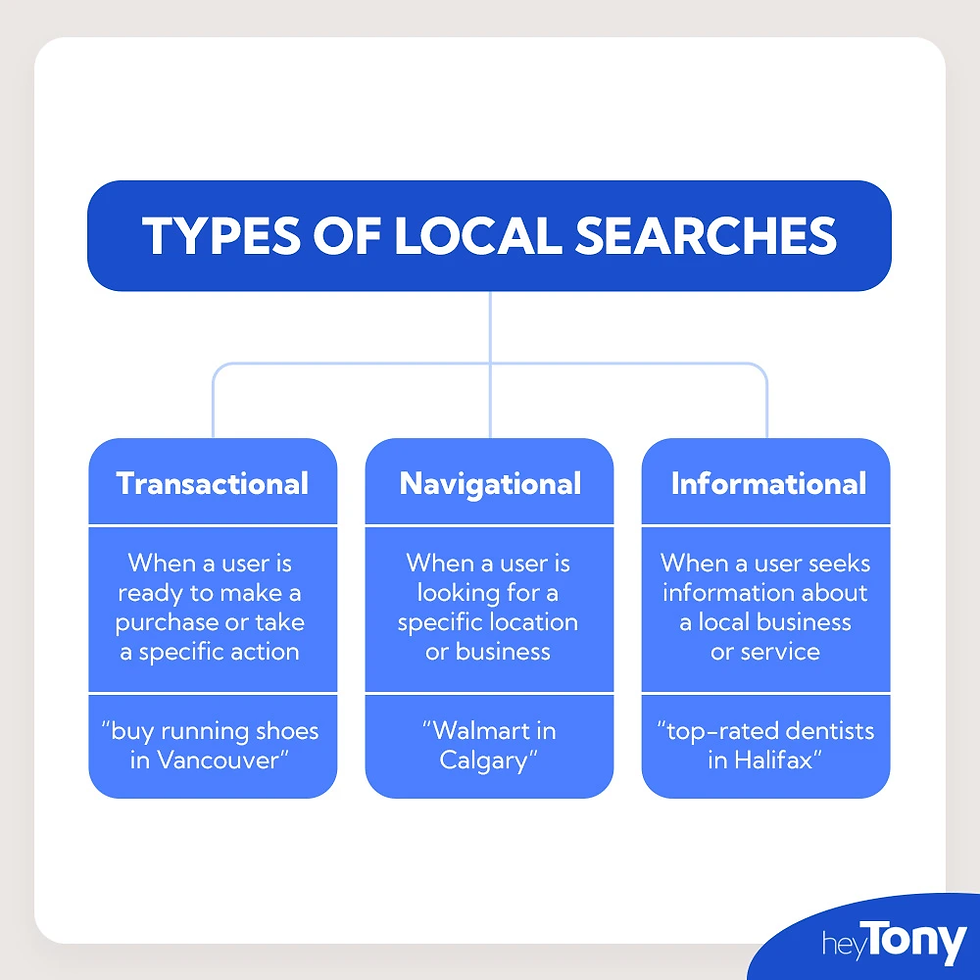
Search intent alignment is one of the most essential aspects of content quality. Every query has an underlying purpose, whether informational, transactional, or navigational.
Content that aligns precisely with intent tends to perform significantly better than content that only partially addresses it.
For example, a user searching for “how to improve SEO rankings” expects actionable guidance, not a vague overview. When content meets that expectation, it strengthens its position in search results.
Unlike technical fixes that may produce short-term improvements, content quality compounds over time.
Well-written, relevant, and structured content builds authority across your entire website. As more pages meet these standards, your overall domain becomes more competitive in search results.
This is why content quality is not just another ranking signal, it is the foundation of sustainable SEO growth and one of the most influential SEO optimization factors for Google.

Ranking Factor #2: Search Intent Optimization
When evaluating modern Google ranking factors, one of the most important shifts in SEO is how strongly Google now prioritizes search intent.
It is no longer enough to simply include keywords in a page. The content must accurately match what the user is trying to accomplish when they type a query.
This is where search intent optimization becomes one of the most influential SEO ranking factors in determining visibility, engagement, and long-term performance.
At its core, Google is trying to answer a simple question for every search: Does this result actually solve the user’s problem better than competing pages?
What Search Intent Means in SEO
Search intent refers to the purpose behind a user’s search query. It is the “why” behind the keyword.
Even if two searches use similar words, the intent can be completely different. For example, someone searching for “website design” may be looking for inspiration, pricing, or a service provider.
Each of these requires a different type of content to rank effectively.
Understanding intent is essential because it directly influences how Google ranking factors evaluate your page. If your content does not align with intent, it will struggle to perform regardless of keyword optimization or backlinks.
This is why intent alignment is now considered one of the most important Google ranking factors in modern SEO strategy.
Google has become highly advanced in interpreting intent through machine learning and behavioural data. It no longer relies only on keywords but analyzes patterns across search results, user engagement, and content structure.
When a user enters a query, Google evaluates which types of pages consistently satisfy that intent. It then prioritizes similar content formats in the rankings.
This is a key reason why SEO ranking factors now extend far beyond traditional optimization techniques. The algorithm is constantly learning what users expect from specific search terms.
Intent alignment is not only about what you write, but also how you structure the content.
Google evaluates whether a page format matches the expected user experience for a query. If users expect a guide but land on a sales page, the mismatch negatively impacts engagement and rankings.
This is why structure is one of the most overlooked SEO ranking factors. Content must be designed to guide users through the information they expect to see, in the order they expect to see it.
An effective way to apply this in your own strategy is by pairing keyword research with intent mapping, so you can organize terms based on informational, transactional, or navigational goals. A useful tool to help structure this process more efficiently is available here: Free Keyword Research Spreadsheet Template.

Types of Search Intent and Why They Matter
Understanding different types of intent is essential for aligning content with Google ranking factors effectively.
Informational Intent
Informational intent occurs when users are looking to learn something. These searches typically require detailed explanations, guides, or educational content.
Navigational Intent
Navigational intent happens when users are trying to find a specific brand or website. In this case, clarity and brand visibility become more important than depth.
Transnational Intent
Transactional intent indicates that the user is ready to take action, such as making a purchase or booking a service. Content here must be highly conversion-focused and direct.
Commercial Intent
Commercial investigation intent sits between informational and transactional, where users are comparing options before making a decision. This type of content requires strong positioning, trust signals, and clear differentiation.
Search Intent in Local SEO and Business Visibility
Search intent becomes even more important in local SEO environments, particularly when evaluating Google Business Profile ranking factors.
Local searches often carry strong intent signals such as “near me,” “open now,” or specific service-based queries. These indicate that users are ready to take immediate action.
Google prioritizes business listings and pages that best satisfy this local intent, considering relevance, proximity, and engagement signals.
For businesses, this means that aligning website content and Google Business Profile information with user intent can significantly improve visibility in local search results.
When intent alignment is strong, it directly influences performance across both organic rankings and Google Business Profile ranking factors.
For a deeper breakdown of how local intent, optimization, and visibility work together in search performance, you can explore our Ultimate Guide to Improving Your Local SEO.
Ranking Factor #3: Backlinks & Authority Signals
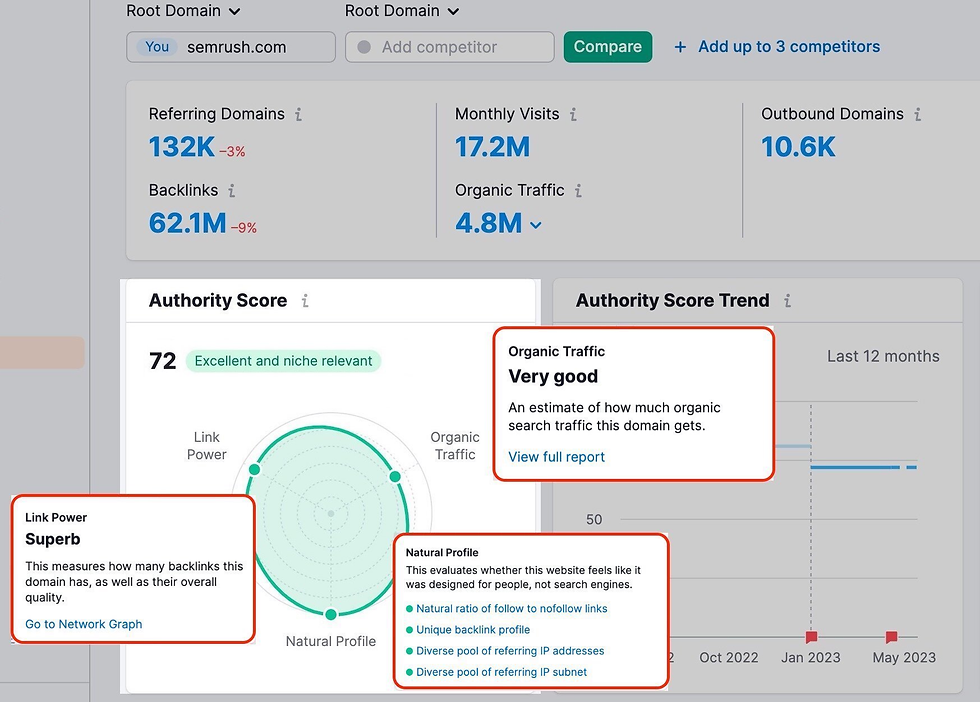
When analyzing modern Google search ranking factors, backlinks and authority signals remain one of the strongest indicators of trust and credibility.
While Google has evolved significantly, it still relies heavily on external validation to determine whether a website is reliable enough to rank at the top of search results.
These signals fall under the broader category of off-page SEO ranking factors, meaning they are not directly controlled on your website but are influenced by how other websites and platforms reference your content.
At a high level, backlinks act as “votes of confidence.”
When reputable websites link to your pages, they are essentially telling Google that your content is valuable, trustworthy, and worth referencing.

How Backlinks Influence Google Search Rankings
Backlinks are one of the original foundations of the Google ranking algorithm, and they continue to play a major role in how pages are evaluated today.
However, not all backlinks carry the same weight. Google evaluates both the quantity and quality of links pointing to a website.
A single link from a highly authoritative source can be significantly more valuable than dozens of low-quality links.
This is because Google does not just count links. It analyzes context, relevance, and trust signals associated with each linking domain.
In simple terms, backlinks help Google determine how much authority your website has compared to competitors targeting the same keywords.
While backlinks are a major factor, authority is also built through broader off-page SEO ranking factors that extend beyond direct links.
Google evaluates how often your brand is mentioned across the web, how consistent your business information is, and how your content is referenced in relevant industry contexts.
These signals collectively help shape your perceived expertise and trustworthiness.
As a result, authority is not just about who links to you, but also how your brand exists across the digital ecosystem.
Quality vs Quantity in Backlink Building
One of the most misunderstood aspects of google search ranking factors is the belief that more backlinks automatically lead to better rankings.
In reality, quality matters significantly more than quantity.
High-quality backlinks typically come from reputable, relevant, and authoritative websites within your industry. These links carry strong trust signals that reinforce your credibility in the eyes of Google.
Low-quality or irrelevant backlinks, on the other hand, provide little to no value and can sometimes dilute your overall authority signals.
This quality-focused approach is deeply embedded in the Google ranking algorithm, which prioritizes trust and relevance over volume.
Relevance and Context in Authority Building
Relevance plays an important role in how backlinks are evaluated. A link from a highly relevant industry website carries more weight than a link from an unrelated source.
Google assesses the context surrounding the link, including the topic of the page, the anchor text used, and the overall authority of the referring domain.
When multiple relevant sources consistently reference your website, it strengthens your position as an authority in that subject area.
This is why strategic link-building is considered one of the most important off-page SEO ranking factors for long-term SEO success.

How Authority Impacts Long-Term SEO Growth
Authority is not built overnight. It develops gradually as more trusted websites reference your content and as your brand becomes more visible across the web.
Over time, strong authority signals can significantly improve rankings across multiple pages, not just the ones receiving direct backlinks.
This creates a compounding effect where established websites tend to maintain and grow their visibility more easily than newer or less authoritative domains.
Even with advancements in machine learning and content analysis, backlinks remain one of the most reliable indicators of trust.
They provide external validation that cannot be easily replicated through on-page optimization alone.
When combined with strong content quality and search intent alignment, backlinks complete one of the most important pillars of SEO performance.

Ranking Factor #4: Website Authority
Website authority is one of the most influential Google search ranking factors because it reflects how trustworthy, credible, and established a website appears within its industry and across the wider web.
While often confused with backlinks alone, authority is broader.
It is the combined result of content quality, link profile strength, brand recognition, and historical performance signals that Google uses to evaluate long-term trust.
In many ways, authority acts as a “confidence score” within the components of Google's ranking algorithm, helping Google decide whether a website is reliable enough to consistently rank for competitive search terms.
Website authority is not a single metric that Google publicly confirms, but it is a concept widely used to describe how strong a domain is in comparison to others in search results.
It is built over time through consistent publishing, quality backlinks, user engagement, and overall trust signals.
When a website demonstrates reliability and expertise across multiple topics, Google begins to associate it with higher credibility in its ranking system.
How Authority Fits Into Google's Ranking System
Authority is deeply embedded within the components of Google's ranking algorithm, working alongside relevance, content quality, and user experience.
Google does not evaluate pages in isolation. Instead, it evaluates the reputation of the entire domain when deciding how much trust to assign to individual pages.
This means that a strong domain can help newer pages rank faster, while weaker domains may struggle even with well-optimized content.
Authority essentially acts as a multiplier that influences how effectively other SEO efforts perform.

Is Domain Authority a Ranking Factor in Google's Algorithms?
A common misconception in SEO is the idea that “domain authority” itself is a direct ranking signal used by Google.
In reality, domain authority is a ranking factor in Google's algorithms in an indirect sense.
Google does not use third-party metrics like Domain Authority as a direct input. However, the underlying signals that create authority, such as backlinks, trust, and historical performance, are very much part of how rankings are determined.
This means that while “domain authority” as a score is not officially recognized by Google, the concept it represents is absolutely reflected in how the Google search ranking factors evaluate websites.
Stronger domains consistently outperform weaker ones because they have accumulated more trust signals over time.
Authority is influenced by multiple interconnected signals rather than a single factor.
One of the most important signals is backlink quality, especially from reputable and relevant websites. These links act as external validation that reinforces credibility.
Another key signal is content consistency. Websites that regularly publish high-quality, relevant content tend to build stronger authority over time because they demonstrate ongoing expertise.
Brand recognition also plays a role. When users search for a brand directly or engage with it repeatedly, it strengthens trust signals associated with the domain.
Why Authority Matters for Long-Term SEO Growth
Authority is one of the most important long-term Google search ranking factors because it compounds over time.
Unlike short-term optimization tactics, authority cannot be easily replicated or accelerated without consistent effort. It requires sustained investment in content, relationships, and digital presence.
Once established, however, strong authority makes it easier for new content to rank, even in competitive markets.
This creates a long-term advantage where authoritative websites continue to grow more efficiently than newer or less established competitors.
Website authority does not exist in isolation. It directly influences how other ranking factors perform.
High-authority websites tend to experience better results from content optimization, faster indexing, and stronger backlink acquisition.
In contrast, lower-authority websites often need to work harder across all SEO areas to achieve similar results.
This makes authority one of the most important Google search ranking factors for businesses that want sustainable visibility and long-term organic growth.
Ranking Factor #5: On-Page SEO Optimization
On-page optimization is one of the most foundational Google ranking factors because it directly controls how clearly your website communicates with both users and search engines.
While authority and backlinks influence trust, on-page SEO determines whether Google can accurately understand what your page is about in the first place.
Without a strong on-page structure, even high-quality content can struggle to rank.
This is why on-page optimization consistently remains one of the most important SEO ranking factors across every industry and search category.
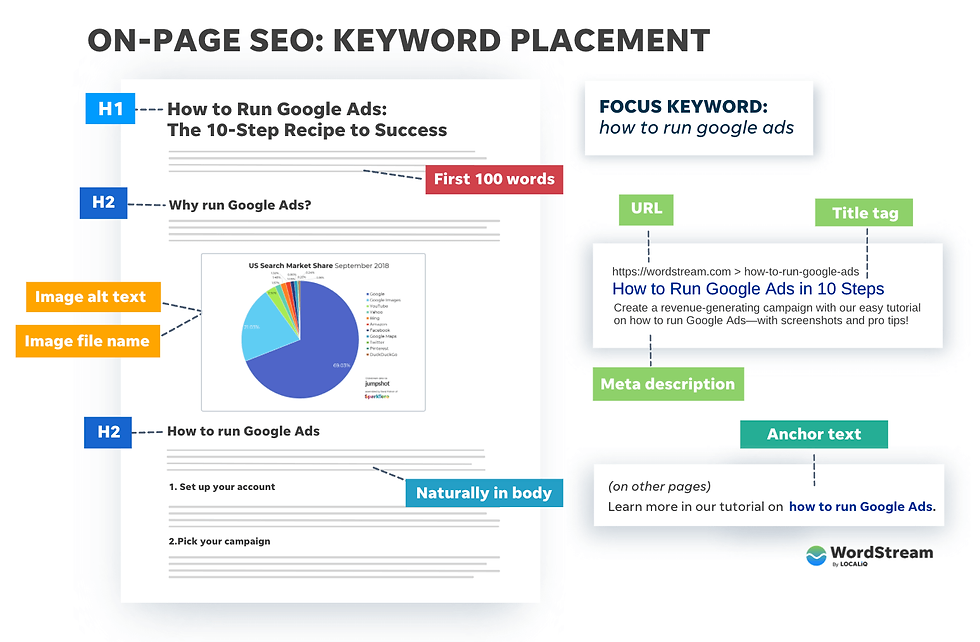
On-page SEO refers to all the optimizations made directly within a webpage to improve its visibility in search engines.
This includes how content is structured, how information is presented, and how clear signals are communicated to Google’s systems.
In simple terms, on-page SEO ensures that your content is not only valuable but also easily readable and interpretable by search engines.
When done correctly, it strengthens relevance, improves indexing efficiency, and reinforces overall keyword targeting within the broader set of Google ranking factors.
How On-Page SEO Helps Google Understand Content
Search engines rely on structure and context to interpret web pages. Without clear signals, Google has to guess what a page is about, which can reduce ranking potential.
On-page SEO removes that uncertainty by providing structured clues about topic relevance, hierarchy, and meaning.
This is especially important because modern SEO ranking factors prioritize clarity and context over simple keyword repetition.
When a page is properly optimized, Google can confidently match it with relevant search queries, increasing the likelihood of higher rankings.
Well-structured pages guide both users and search engines through the information in a logical way. Headings, subheadings, and paragraph flow all contribute to how easily content can be understood.
When the structure is weak or disorganized, users tend to leave quickly, and Google interprets that as a poor experience.
Internal linking is another essential component of on-page SEO. It helps connect related pages within a website, allowing both users and search engines to navigate content more effectively.
They also reinforce topical relevance by grouping related content together, which strengthens overall visibility within Google ranking factors.
Keyword Placement and Semantic Relevance
Keyword usage still plays a role in on-page SEO, but its importance has evolved significantly.
Instead of focusing on exact keyword repetition, Google now evaluates semantic relevance, how well the content covers related ideas and supporting topics.
This means pages must naturally incorporate variations and context around their target keywords rather than forcing them into the text.
When executed properly, keyword optimization becomes one of the supporting SEO ranking factors that enhances clarity without compromising readability.
On-page optimization acts as the foundation for all other SEO efforts. Without it, even strong backlinks or authority signals may not produce consistent results.
It ensures that every page communicates its purpose clearly, aligns with search intent, and provides a strong user experience.
Because of this, on-page SEO remains one of the most essential Google ranking factors for achieving and maintaining visibility in search results.
Ranking Factor #6: User Experience (UX) Signals
User experience has become one of the most influential Google search ranking factors in modern SEO.
While content and keywords help Google understand what a page is about, user experience signals help determine whether that page actually delivers value in a practical, real-world setting.
In simple terms, Google is no longer only asking “Is this relevant?” It is also asking, “Did the user find this helpful and easy to use?”
This shift has made UX one of the most important search engine ranking factors for long-term visibility and competitive performance.
Why UX Signals Matter for Rankings
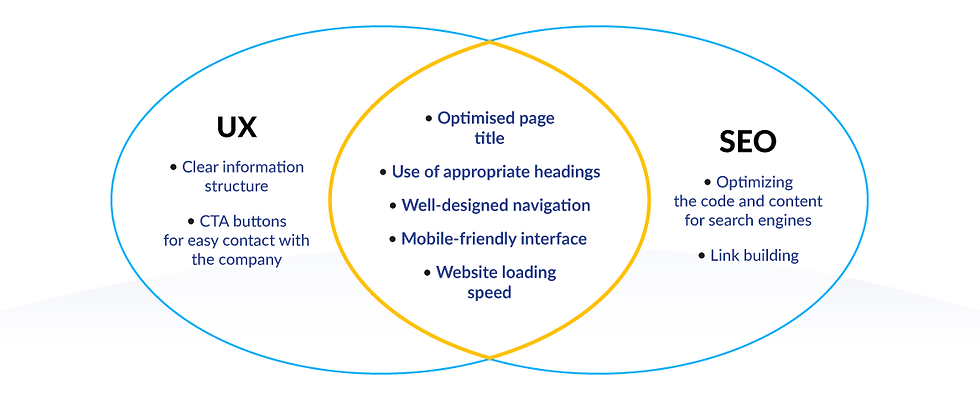
User experience in SEO refers to how easily a visitor can interact with a website and find the information they are looking for.
It includes everything from page layout and readability to navigation, speed, mobile usability, and overall design clarity.
When users land on a page, Google monitors how they behave. If they stay, engage, and explore further, it signals a positive experience. If they leave quickly, it suggests the page did not meet expectations.
These behavioural signals are now deeply integrated into Google search ranking factors, influencing how pages are ranked over time.
Google’s primary goal is to deliver results that satisfy user intent. UX signals help validate whether that goal is being achieved.
If a page ranks highly but users consistently leave without engaging, Google may interpret that as a mismatch between content and user expectations.
This is why UX has become one of the most important search engine ranking factors in competitive industries.

Engagement Behaviour as a Ranking Indicator
One of the key ways Google evaluates user experience is through engagement behaviour.
This includes how long users stay on a page, whether they scroll through the content, and whether they continue to other pages on the same website.
High engagement typically signals that the content is valuable and well-structured, while low engagement can indicate confusion or poor alignment with intent.
Google pays attention to how efficiently users can move through a website and access relevant information.
A well-structured navigation system improves usability and ensures that important pages are easy to reach, which strengthens overall SEO performance.
This is especially important for larger websites where internal structure plays a major role in how content is discovered and consumed.
Over time, these behavioural patterns help Google refine how it applies Google search ranking factors to similar pages across the web.
Design plays a major role in how users perceive and interact with content.
Even high-quality information can be ineffective if it is presented in a cluttered or confusing way.
Clean layouts, clear typography, and structured content flow help users process information more easily. This increases time on page and reduces friction, both of which contribute positively to UX signals.
These factors indirectly reinforce Google search ranking factors by improving how users respond to the content.
User experience is not a one-time optimization. It is an ongoing process of refining how users interact with a website over time.
As user expectations evolve, websites that prioritize UX tend to maintain stronger performance in search results compared to those that do not.
This makes UX one of the most sustainable search engine ranking factors, because it aligns directly with Google’s long-term goal of improving user satisfaction.
Ranking Factor #7: Responsive & Mobile-Friendliness
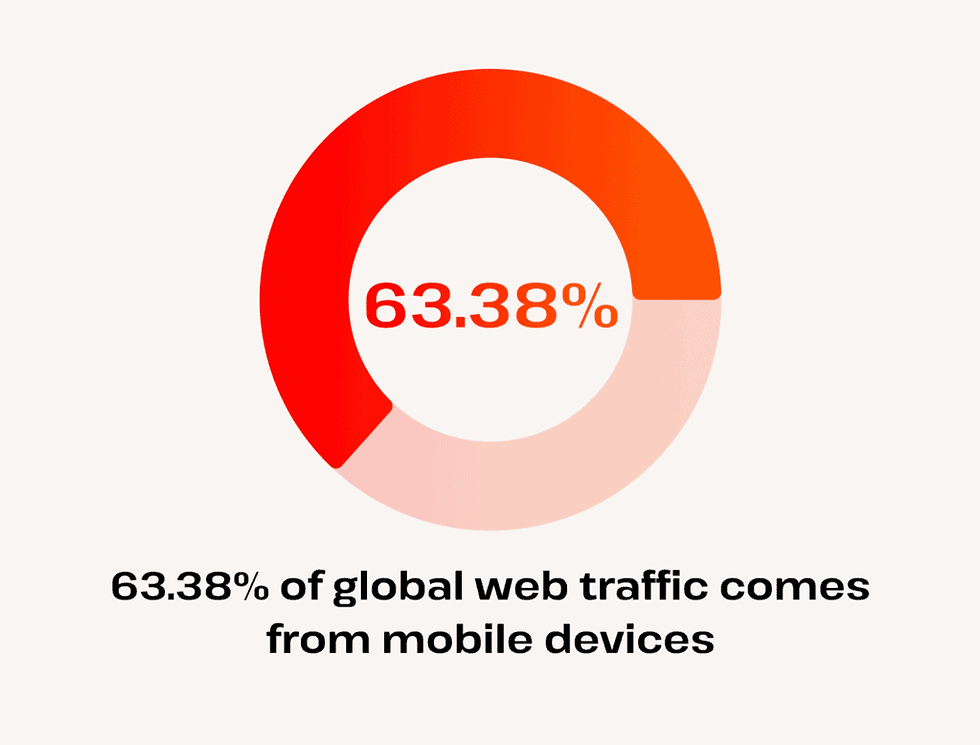
Responsive design and mobile usability are now central Google algorithm ranking factors because the majority of users interact with search results on mobile devices.
Google has fully shifted to mobile-first indexing, meaning it primarily evaluates the mobile version of a website when determining rankings.
This makes mobile-friendliness not just a design preference, but one of the most critical SEO factors influencing visibility, engagement, and long-term search performance.
If a website performs poorly on mobile, it will struggle to compete in modern search results, even if its desktop experience is strong.
To learn how to properly evaluate and test whether your website is fully responsive, you can follow our complete guide on How to Test Your Website is Responsive.
Why Google Prioritizes Mobile-First Indexing
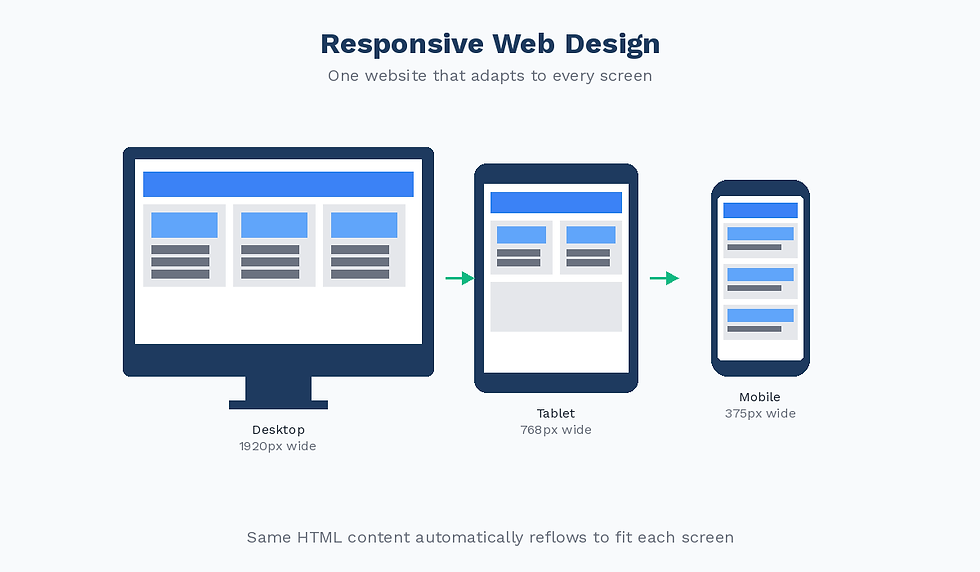
Mobile-friendliness refers to how effectively a website adapts to different screen sizes, particularly smartphones and tablets.
A responsive website automatically adjusts layout, text size, images, and navigation so users can interact with it comfortably on any device.
From a search perspective, Google evaluates whether users can access content easily without zooming, scrolling excessively, or dealing with broken layouts.
These usability signals are now deeply embedded within Google algorithm ranking factors, as they directly impact user satisfaction.
Google’s shift to mobile-first indexing reflects how users actually browse the internet today.
Instead of treating mobile as secondary, Google now primarily crawls and evaluates the mobile version of a site to determine rankings.
This means the mobile experience is no longer optional. It is the primary version Google uses to assess relevance, structure, and performance.
Responsive Web Design and Mobile-First Design
Mobile usability directly influences how users interact with a website. If content is difficult to read, buttons are too small, or navigation is unclear, users are more likely to leave quickly.
These behaviours signal to Google that the page may not be providing a good experience, which can negatively affect rankings over time.
On the other hand, a smooth mobile experience improves engagement, increases time on site, and strengthens overall performance in search results.
Responsive design ensures that a website automatically adjusts its layout based on the device being used.
This includes resizing images, stacking content vertically, and simplifying navigation for smaller screens.
When implemented correctly, responsive design ensures that content remains readable and accessible across all devices without requiring separate mobile versions of a site.
This consistency is important because it helps maintain uniform SEO signals across desktop and mobile experiences, reinforcing overall SEO factors that contribute to ranking stability.
Mobile-friendliness is no longer a secondary consideration in SEO. It is a foundational requirement for visibility in modern search results.
As user behaviour continues to shift toward mobile-first browsing, Google will continue to prioritize websites that deliver seamless mobile experiences.
This makes responsive design one of the most important SEO factors for long-term success, ensuring that websites remain competitive, accessible, and aligned with how users actually interact with search.

Ranking Factor #8: Internal Linking & Site Structure
Internal linking and site structure are often overlooked, but they play a critical role in how Google understands, navigates, and ranks your website.
When exploring what Google ranking factors are, this is one of the foundational elements that directly influences how efficiently your content is crawled and how authority flows across your pages.
A well-structured website doesn’t just help users find information more easily. It also helps Google interpret relationships between pages, which can significantly impact overall Google ranking performance.
How Site Structure Impacts SEO Performance
Site structure refers to how your website’s pages are organized and connected. A strong structure creates a clear hierarchy, guiding both users and search engines through your content in a logical way.
Google uses this structure to understand which pages are most important, how topics are grouped, and how information flows across the website.
When the structure is unclear or disorganized, search engines may struggle to properly index content, which can limit visibility even if the content itself is high quality.
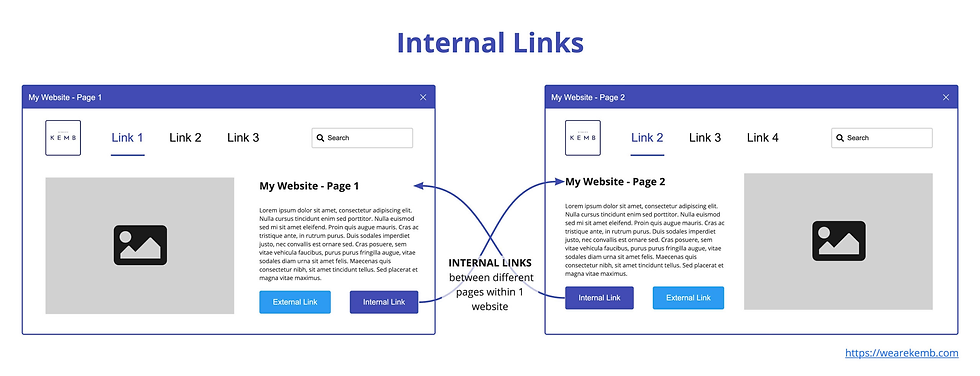
Internal linking is the practice of connecting pages within the same website through hyperlinks. These links help distribute authority, guide users, and establish relationships between content topics.
From an SEO perspective, internal links act as pathways that help Google discover and prioritize pages.
Pages that receive more internal links are often interpreted as more important, which can positively influence google ranking outcomes.
When used strategically, internal linking strengthens topical relevance and helps search engines understand which pages should rank for specific queries.
Google doesn’t just look at the existence of internal links. It evaluates how they are used, where they are placed, and what context surrounds them.
Links placed within relevant content carry more value than links placed randomly or without context.
Anchor text also plays a role by providing additional signals about what the linked page is about. This helps Google associate pages with specific topics and keywords.
Incorporating a SEO-Friendly Site Hierarchy
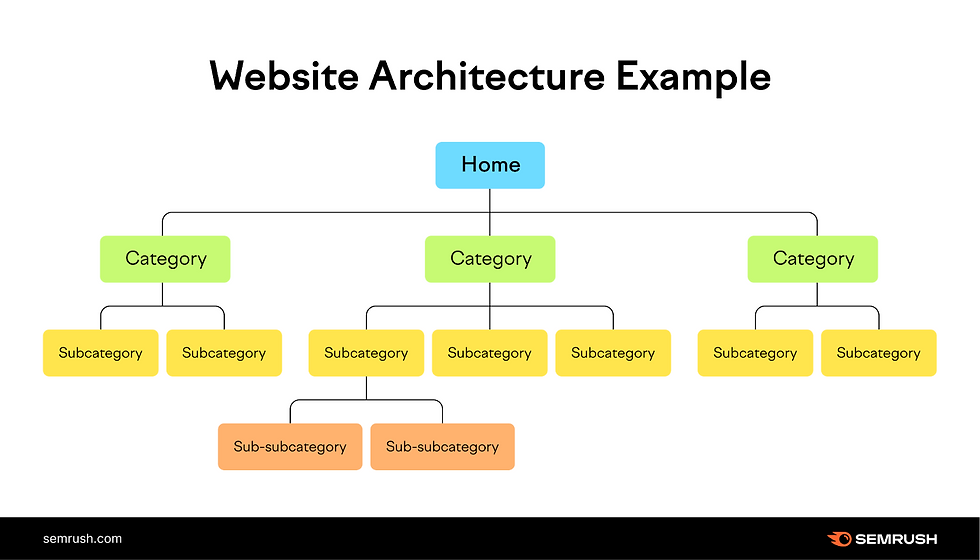
A strong site hierarchy ensures that important pages are easy to access from both navigation menus and internal links.
Typically, websites are structured in layers, with core pages supported by more detailed subpages. This hierarchy helps search engines understand which pages hold the most authority.
When hierarchy is clear, Google can more efficiently crawl the site and assign relevance across different sections.
Poor hierarchy, on the other hand, can dilute authority and make it harder for important pages to rank effectively.
One of the most powerful benefits of internal linking is its ability to distribute authority across a website.
When high-performing pages link to other relevant pages, they pass value and help strengthen the overall SEO structure.
This internal flow of authority can improve rankings for multiple pages simultaneously, rather than relying on external backlinks alone.
Google uses crawlers to navigate websites, and internal linking directly affects how efficiently those crawlers can move through your content.
A well-connected site ensures that important pages are discovered quickly and regularly updated in Google’s index.
If pages are isolated or difficult to reach, they may not be crawled as frequently, which can limit their visibility in search results.
Internal linking and site structure are not one-time SEO tasks. They are ongoing systems that evolve as new content is added to a website.
As a site grows, maintaining a clear structure becomes even more important for preserving rankings and ensuring consistent performance.

Ranking Factor #9: Content Freshness
Content freshness is one of the more dynamic Google algorithm ranking factors, especially for topics where information changes frequently or where users expect up-to-date insights.
Google’s systems are designed to prioritize content that reflects the most current, relevant, and accurate information available at the time of search.
This doesn’t mean new content always outranks older content. Instead, it means that freshness is evaluated based on context, intent, and ongoing relevance. For some queries, updated content is essential for a strong SEO ranking, while for others, evergreen authority matters more.
Understanding how freshness works is key to maintaining long-term visibility in website Google ranking results, particularly in competitive industries.
When Freshness Impacts Rankings the Most
Content freshness plays a stronger role in certain types of searches than others.
Content freshness refers to how recently a page has been created, updated, or significantly improved.
However, Google does not treat all updates equally.
Minor edits like fixing a typo carry far less weight than meaningful updates such as adding new sections, improving structure, or refreshing data.
Freshness is therefore less about the date itself and more about whether the content remains relevant and valuable in the current search landscape.
When a page is updated, Google evaluates the depth and significance of the changes.
Substantial improvements, such as adding new insights, expanding sections, or updating outdated information, signal that the content is actively maintained.
These signals help Google determine whether a page should be re-evaluated in search results, potentially improving its position in Google's website ranking.
In contrast, pages that remain unchanged for long periods may gradually lose competitiveness if newer, more relevant content emerges.
This distinction is important when evaluating Google algorithm ranking factors, because it highlights that quality updates matter more than frequent but superficial changes.
Freshness vs Evergreen Content
Not all content requires constant updating. Some pages are designed to remain relevant over long periods without frequent changes.
Evergreen content can maintain strong rankings if it continues to provide value and accuracy over time. In these cases, authority and relevance often matter more than freshness alone.
However, even evergreen content benefits from periodic updates to ensure it stays aligned with current standards, terminology, and user expectations.
Balancing freshness and evergreen strategy is an important part of optimizing for google algorithm ranking factors effectively.
Refreshing content is one of the most effective ways to improve performance without creating entirely new pages.
This process involves reviewing existing content, identifying outdated sections, and enhancing the depth or clarity of information.
When done correctly, content refreshing can lead to noticeable improvements in SEO ranking, especially for pages that already have some level of authority or traffic.
The Long-Term Value of Updated Content
Content freshness is not just about short-term ranking boosts. It plays a long-term role in maintaining search visibility and relevance.
Websites that consistently update and improve their content tend to build stronger trust with both users and search engines.
Over time, this creates a compounding effect where updated content continues to perform well, even in evolving search landscapes.
This makes freshness a key component of sustainable Google algorithm ranking factors, especially for businesses that rely on organic traffic as a long-term growth channel.

Ranking Factor #10: Page Indexability
Page indexability is one of the most fundamental technical SEO ranking factors, yet it is often overlooked because it is less visible than content or backlinks.
However, without proper indexability, even the best-optimized pages cannot appear in search results.
When evaluating what Google ranking factors are, indexability sits at the foundation of how Google ranks websites in the first place. Before a page can compete for rankings, it must first be discovered, crawled, and successfully added to Google’s index.
If a page is not indexed, it is effectively invisible to search engines, no matter how strong its content or authority may be.

How Google Discovers and Indexes Pages
Indexability refers to whether a search engine is able to store and understand a webpage within its database.
Once a page is indexed, it becomes eligible to appear in search results for relevant queries. If it is not indexed, it will not rank at all.
This makes indexability one of the most essential technical SEO ranking factors, because it determines whether all other optimization efforts can even take effect.
In simple terms, indexability is the gateway between your website and Google’s search results.
Before a page is indexed, Google must first discover it through crawling. Crawlers follow links across the web and within your website to find new or updated content.
Once discovered, Google evaluates the page’s content, structure, and signals to determine whether it should be included in the index.
Crawlability and indexability are closely connected, but they are not the same.
Crawlability refers to whether Google can access a page, while indexability refers to whether it chooses to store and include that page in search results.
A page must first be crawlable before it can be indexed. However, being crawlable does not guarantee indexing.
Not all pages are automatically indexed. Google may choose to exclude pages that are low quality, duplicate, or technically difficult to process.
This evaluation process is a core part of how Google ranks websites, because it ensures that only relevant and usable content enters the ranking system.
Why Indexability Impacts Search Visibility
Indexability directly determines whether a page can compete in search results.
If a page is not indexed, it cannot rank, generate traffic, or contribute to overall SEO performance.
Even small technical errors can prevent important pages from being included in search results, which can significantly limit organic growth.
This is why maintaining strong indexability is essential for long-term success in how Google ranks websites.
Maintaining strong indexability requires consistent technical SEO management.
This includes ensuring that important pages are not blocked, that site structure is clear, and that internal linking helps guide crawlers through the website.
It also involves regularly monitoring indexing status through tools like Google Search Console to identify and resolve potential issues early.
Indexability is often considered the starting point of SEO rather than just another ranking factor.
Without it, no amount of content optimization, backlink building, or authority development will produce results.
It is the technical foundation that allows all other SEO efforts to function effectively.
This is why indexability remains one of the most essential technical SEO ranking factors, ensuring that websites are fully accessible, discoverable, and eligible to rank within Google’s search ecosystem.
How to Improve Your Rankings Using These Factors (Step-by-Step)
Improving visibility in search results is not about focusing on a single tactic. It is about aligning multiple Google search ranking signals into a cohesive strategy that Google can clearly interpret and reward.
When all ranking factors work together, websites are far more likely to achieve stable and long-term growth in organic traffic.
The following step-by-step approach shows how to practically apply these principles to improve Google search ranking performance in a structured and sustainable way.
Step 1: Optimize Content for Search Intent
The foundation of improving rankings begins with understanding what users actually want when they search. Search intent determines whether your content is relevant enough to compete in results.
If your content does not align with intent, no amount of optimization will fully compensate for it.
This is where google algorithm ranking factors become especially important, because Google is increasingly focused on delivering results that match user expectations rather than just keyword presence.
Start by analyzing what type of content is currently ranking for your target query. If the top results are guides, your page should also educate. If they are product or service pages, your content should be more conversion-focused.
Once intent is clear, structure your content to directly answer the user’s needs in a logical and complete way.
This alignment is one of the most effective ways to strengthen google page ranking performance over time.
Aligning Content Structure With Search Intent
Once intent is understood, the next step is structuring content in a way that directly reflects it.
Google evaluates how well content structure matches expected user experience. If users expect a guide, the page should be educational and step-by-step. If they expect a comparison, the content should clearly evaluate options.
This alignment is a core part of google search ranking success because it directly influences engagement, dwell time, and satisfaction signals.
Well-structured content improves clarity and helps Google confidently associate your page with relevant queries.
Using Keywords Without Over-Optimizing
Keywords still play a role, but they must be used strategically and naturally.
Modern Google algorithm ranking factors prioritize semantic relevance over exact match repetition. This means Google understands context, synonyms, and related terms rather than relying only on specific phrases.
For example, instead of repeating “Google ranking keywords” excessively, content should naturally include variations and related concepts that reinforce topic depth.
This approach improves readability while still supporting strong Google page ranking performance.
Matching Content Depth to Search Expectations
Different queries require different levels of detail. Some users want quick answers, while others expect in-depth explanations.
One of the most common reasons pages fail to improve rankings is mismatched depth. Content that is too shallow or too complex can both negatively impact engagement.
To effectively improve Google search ranking, content must match not only intent type but also expected depth.
This ensures users find exactly what they are looking for without unnecessary friction.
Search intent is the starting point for all other optimization efforts. Without it, even strong technical SEO or backlink strategies will not produce consistent results.
When intent is properly aligned, every other SEO effort becomes more effective, including content optimization, internal linking, and authority building.
This is why intent optimization remains one of the most important applications of Google algorithm ranking factors in real-world SEO strategy.

Step 2: Improve On-Page SEO Optimization
Once search intent is properly aligned, the next step in learning how to improve Google rankings is strengthening on-page SEO.
This is where you refine how your content is structured, presented, and interpreted by search engines so it can compete more effectively in organic results.
On-page optimization plays a direct role in your ability to increase Google ranking because it helps Google clearly understand what your page is about, how it should be categorized, and which queries it should appear for.
Without strong on-page SEO, even high-quality content can struggle to perform consistently in SEO Google ranking results.
Strengthening Content Structure for SEO Clarity
One of the most important aspects of on-page optimization is structure. Google relies heavily on page organization to interpret meaning and relevance.
Clear headings, logical flow, and well-organized sections help search engines understand topic hierarchy and content depth.
When structure is unclear, Google may struggle to determine the primary focus of a page, which can limit visibility in competitive SEO Google ranking environments.
A well-structured page, on the other hand, reinforces topical relevance and improves indexing efficiency, which contributes directly to stronger rankings.
Optimizing Keywords Naturally Within Content
Keyword optimization is still a core part of on-page SEO, but its role has evolved significantly.
Instead of focusing on repetition, modern SEO emphasizes natural integration and contextual relevance. This means keywords should appear where they make sense within the flow of content, not forced into every paragraph.
Using variations and related phrases helps Google better understand topic depth while avoiding over-optimization issues.
This balanced approach is essential for improving how to improve Google rankings in a sustainable and algorithm-friendly way.
Improving Title Tags and Headings for Relevance
Title tags and headings are essential signals that help Google interpret page relevance.
The title tag provides a strong indication of what the page is about, while headings reinforce structure and topic segmentation.
When optimized correctly, these elements improve clarity for both users and search engines, increasing the likelihood of higher visibility.
Strong metadata and heading structure are foundational elements in efforts to increase Google ranking, especially in competitive search categories.
Enhancing Internal Linking for SEO Strength
Internal linking is another key on-page factor that directly impacts SEO Google ranking performance.
By connecting related pages within your website, you help distribute authority and guide both users and search engines through your content ecosystem.
This improves crawlability and helps Google understand how different pages relate to each other.
A strong internal linking structure ensures that important pages are more easily discovered and prioritized in search results.
On-page SEO acts as the communication layer between your content and Google’s algorithm.
It ensures that your content is not only valuable but also easy to interpret, categorize, and rank.
When combined with strong intent alignment, on-page optimization significantly increases your ability to increase Google ranking across multiple keywords and pages.
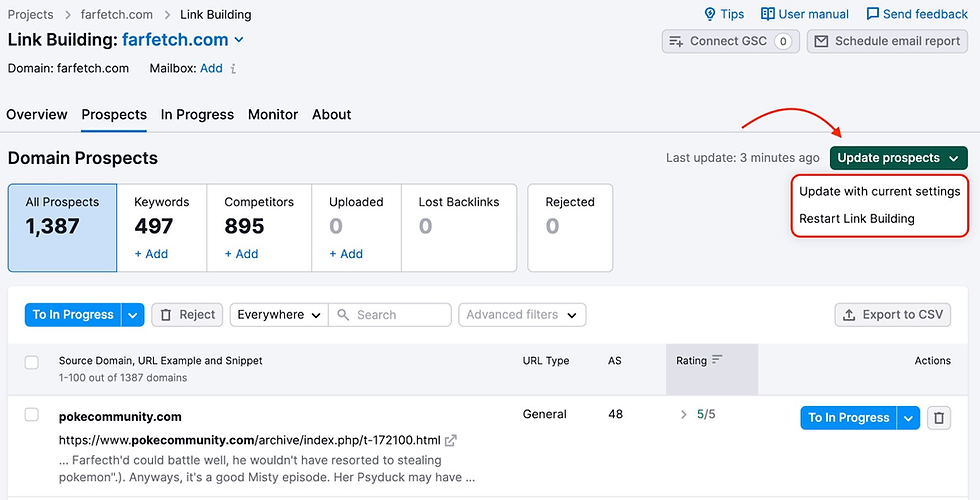
Step 3: Build High-Quality Backlinks
Once your content is properly optimized and structured, the next major step in improving website SEO ranking is building high-quality backlinks.
This is where your website begins to gain external validation, which plays a significant role in how search engines assess trust and authority.
Backlinks are one of the strongest indicators of credibility in page ranking systems because they signal that other websites consider your content valuable enough to reference.
However, not all backlinks contribute equally. The focus is not on volume, but on quality, relevance, and authority.
Backlinks act as endorsements from other websites. When a reputable site links to your content, it sends a signal to Google that your page is trustworthy and worth ranking.
This external validation is a key factor in improving website SEO ranking, especially in competitive industries where multiple pages are targeting the same keywords.
Google uses these signals to help determine which pages deserve higher visibility in search results.
The stronger and more relevant the backlink profile, the more likely a page is to perform well in page ranking outcomes.
Relevance Matters in Backlink Building
Relevance is one of the most important factors Google considers when evaluating backlinks.
A link from a website in your industry carries far more weight than a link from an unrelated source.
Google looks at the context surrounding the link, including the topic of the page and the relationship between the content.
When backlinks are contextually relevant, they reinforce your site’s authority in a specific subject area, improving overall page ranking potential.
How Backlinks Support Page Authority
Backlinks help distribute authority across the web. When multiple trusted sources link to your website, Google begins to recognize your domain as more authoritative.
This authority influences how individual pages perform in search results, especially when competing against similar content.
Over time, a strong backlink profile improves the overall strength of your domain, making it easier for new content to rank without requiring as much additional effort.
This cumulative effect is a key driver of long-term website SEO ranking growth.
Natural Link Building vs Artificial Tactics
Modern SEO prioritizes natural link acquisition over manipulative tactics.
Natural backlinks are earned through valuable content, useful resources, and strong digital presence. These links are more sustainable and align with how Google evaluates trust.
Artificial or spammy link-building tactics may produce short-term gains but often fail to support long-term page ranking stability.
Sustainable SEO focuses on earning links through relevance, authority, and value rather than shortcuts.
Even as Google’s algorithm becomes more advanced, backlinks continue to play a central role in how websites are evaluated.
When combined with strong content and technical SEO, backlinks significantly enhance overall visibility and performance.
This makes them one of the most important pillars for improving website SEO ranking and achieving consistent page ranking growth over time.

Step 4: Improve Website User-Interface and Responsive Design
Once your content and authority signals are in place, the next step in effective SEO strategies for higher rankings is improving how users actually experience your website.
This is where user-interface (UI) design and responsive functionality directly influence how search engines evaluate your site.
Modern google algorithm for SEO systems are heavily focused on user satisfaction. That means your website is not only judged on what it says, but also on how easy it is to use, navigate, and interact with across all devices.
A poor user experience can weaken even strong content and backlinks, while a well-designed interface can significantly improve engagement and long-term visibility.
Google’s ranking systems increasingly prioritize user experience signals when determining visibility in search results.
If users struggle to read content, navigate pages, or interact with elements, they are more likely to leave quickly. These behaviors signal dissatisfaction, which can negatively impact rankings over time.
This is why UI and responsive design are now closely tied to how the google ranking algorithm evaluates websites.
Responsive Design as a Core Ranking Requirement
Responsive design ensures that a website adapts seamlessly to different screen sizes, including mobile phones, tablets, and desktops.
Since Google uses mobile-first indexing, the mobile version of your website is often the primary version evaluated for ranking purposes.
If your site is not mobile-friendly, it may struggle to perform well regardless of content quality or backlinks.
This makes responsive design an important part of any modern SEO strategies for higher rankings, especially in competitive search environments.
Navigation Structure and Ease of Use
Clear navigation is essential for both users and search engines.
A well-organized menu structure helps users quickly find what they are looking for, while also helping search engines understand how pages are related.
When navigation is simple and logical, it improves crawl efficiency and supports better indexing of key pages.
This directly contributes to improved outcomes within the google ranking algorithm, especially for larger websites with multiple service or content pages.
Visual Hierarchy and Content Readability
Visual hierarchy refers to how content is structured and prioritized on a page.
Clear headings, consistent spacing, and readable typography help users process information more easily.
When content is easy to scan and understand, users are more likely to stay on the page and engage with additional sections.
This improved engagement supports stronger performance across multiple SEO signals, reinforcing overall SEO strategies for higher rankings.
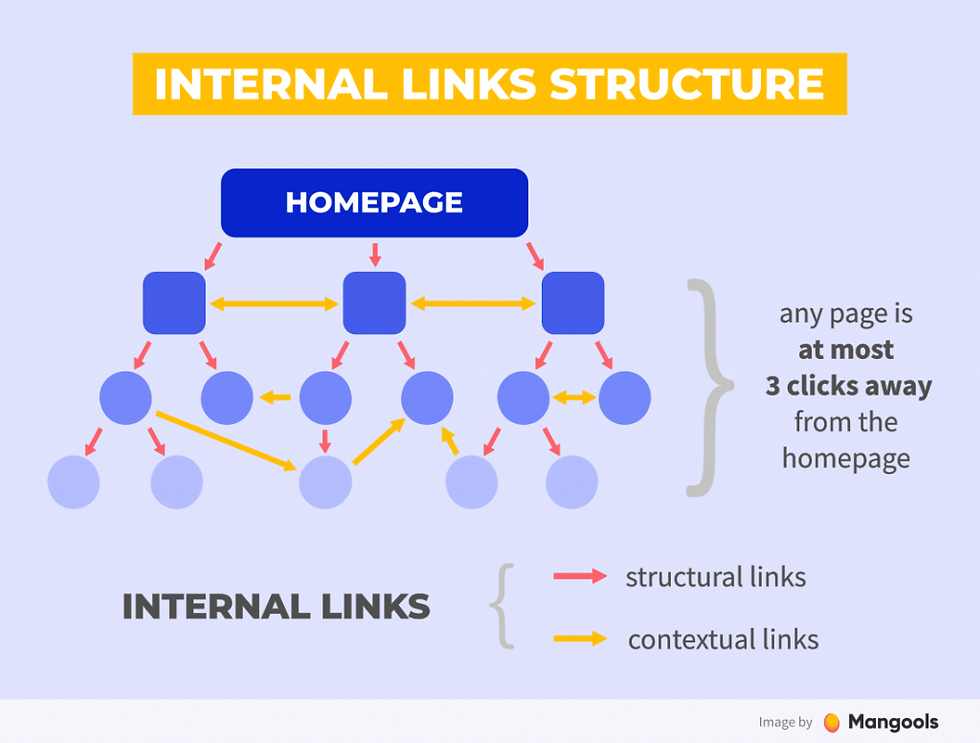
Step 5: Strengthen Internal Linking and Site Structure
Strengthening internal linking and site structure is one of the most underrated yet powerful ways to improve performance across key SEO ranking factors.
While many strategies focus on content creation or backlinks, internal structure determines how effectively search engines understand, distribute, and prioritize that content.
A well-structured website helps the search ranking algorithm navigate your pages efficiently, understand topical relationships, and identify which pages carry the most importance.
Without this foundation, even high-quality content can remain underperforming simply because it is not properly connected within the site ecosystem.
When structure is clear, search engines can easily interpret which pages are most important and how different topics are related.
This clarity directly impacts how SEO ranking factors are applied, because Google relies on structure to understand content relevance at scale.
A poorly structured website, on the other hand, can confuse crawlers and dilute authority across unrelated or disconnected pages.
Building a Strong Content Hierarchy
A strong content hierarchy ensures that your website is organized in a logical and scalable way.
Typically, this involves structuring content from broad category pages down to more detailed subpages that explore specific topics.
This hierarchy helps search engines identify primary pages that should carry more authority and secondary pages that support them.
When implemented correctly, it creates a clear roadmap for both users and the search ranking algorithm, improving overall crawl efficiency and indexation quality.
Distributing Authority Through Internal Linking
Internal linking also plays a critical role in distributing authority across your website.
Pages that receive more internal links are often interpreted as more important, which can improve their ability to rank for competitive terms.
This internal flow of authority ensures that SEO value is not isolated to a few pages but spread strategically across your entire website.
Over time, this strengthens overall performance across multiple seo ranking factors, rather than relying solely on external backlinks.
Improving Crawl Efficiency and Indexation
Search engines rely on internal links to discover and revisit pages within your website.
A strong internal linking structure ensures that no important content is buried or isolated.
If pages are difficult to reach, they may not be crawled or indexed as frequently, which can negatively impact visibility.
By improving internal connectivity, you help the search ranking algorithm access your content more efficiently, which supports better long-term performance.
Internal linking and site structure are not one-time optimizations. They evolve as your website grows and new content is added.
Maintaining a clear structure ensures that your SEO foundation remains strong as your content ecosystem expands.
Over time, this leads to more stable rankings, better content discovery, and improved authority distribution across your website.

Step 6: Track SEO Metrics and Optimize Continuously
Understanding what is SEO and how it works is only the starting point. Real SEO success comes from continuous improvement driven by data.
Search performance is not static, and neither is Google’s algorithm. That means ongoing tracking, analysis, and refinement are essential if you want to maintain and improve visibility over time.
To truly improve performance, you need to understand not just how SEO works, but also how does Google rank search results in real-world conditions.
Google constantly evaluates user behaviour, content relevance, technical performance, and authority signals, then adjusts rankings accordingly.
Because of this, SEO is not a one-time setup. It is an ongoing optimization system.
SEO works like a feedback loop. You publish content, Google evaluates it, users interact with it, and those interactions influence future rankings.
If you are not tracking performance, you are essentially optimizing blind.
Metrics such as organic traffic, keyword rankings, click-through rates, and engagement signals help you understand whether your strategy is aligned with how Google ranks search results in your specific niche.
Tracking Keyword Performance and Visibility
One of the most important SEO metrics is keyword performance. This shows how your pages rank for target search terms over time.
Tracking keyword movement helps identify which content is gaining traction and which pages are losing visibility.
If rankings are improving, it usually indicates that your optimization aligns well with how does Google rank search results for that topic.
If rankings are declining, it may suggest issues with relevance, competition, or content freshness.
Monitoring User Engagement Signals
User engagement metrics provide insight into how people interact with your website after they click from search results.
Metrics such as time on page, bounce rate, and pages per session help indicate whether your content is satisfying user intent.
Strong engagement typically reinforces positive ranking signals, while weak engagement can signal a mismatch between content and expectations.
These behavioural signals are increasingly important in modern SEO systems and help refine your understanding of what is SEO and how it works in practice.
Evaluating Content Performance Over Time
Not all content performs the same way forever. Some pages gain traction quickly, while others grow slowly over time.
Regularly reviewing content performance helps identify opportunities for updates, improvements, or restructuring.
Pages that once performed well may decline if they become outdated or less relevant compared to newer competitors.
By continuously optimizing content, you stay aligned with changing search behaviour and evolving interpretations of how does Google rank search results.
Using Data to Guide SEO Strategy Adjustments
SEO data should always inform your next steps. Instead of guessing what to improve, you should rely on performance insights.
If certain pages consistently rank well, analyze what they are doing right and apply those patterns to other content.
If pages underperform, identify whether the issue is content quality, technical SEO, or lack of authority.
This iterative approach ensures your strategy evolves in alignment with real-world outcomes rather than assumptions.
SEO is not a static process. It is a continuous cycle of improvement driven by data, user behaviour, and algorithm updates.
Websites that consistently track and refine their SEO performance are far more likely to maintain and grow their rankings over time.
This ongoing optimization process is what transforms SEO from a one-time effort into a long-term growth system.
Conclusion
Understanding Google SEO ranking factors is essential for building a strong, competitive online presence that can consistently generate visibility, traffic, and leads.
Throughout this guide, we’ve broken down how Google ranking factors work together as a system rather than isolated tactics, shaping how content is evaluated and positioned in search results.
From content quality and search intent to technical SEO, authority, and user experience, every factor plays a role in how the page ranking algorithm determines which websites deserve top positions.
What becomes clear is that SEO is not about manipulating individual signals. It is about aligning your entire website with how Google evaluates relevance, trust, and usability at scale.
The most successful websites do not rely on one or two optimization techniques. Instead, they consistently apply the top SEO ranking factors for businesses across every layer of their digital presence.
This includes creating content that matches intent, structuring pages for clarity, building authority through credible signals, and ensuring the website performs well across all devices.
When these elements work together, they create a compounding effect that improves visibility over time and strengthens long-term organic growth.
Ultimately, SEO is an ongoing system, not a one-time task. The websites that win in search are those that continuously refine their strategy based on how Google evolves its ranking systems and how users interact with content.
Our Ultimate Guide: Build Your Business’s Online Presence in 90 Days (Free E-Book) is a step-by-step system designed to help you build a complete digital presence that attracts traffic, generates leads, and converts visitors into customers through structured SEO, marketing, and website strategy.
Or read our Beginner’s Guide to SEO, a breakdown of how SEO works, including how search engines rank websites, what affects visibility, and how to start optimizing your website for long-term organic growth.
Frequently Asked Questions (FAQs)
What are Google's top SEO ranking factors?
Google’s top SEO ranking factors typically include content quality, search intent alignment, backlinks, page experience, and technical SEO. These elements work together to help Google determine which pages are most useful and relevant for a given query. Strong optimization across these areas leads to better visibility and more stable rankings over time.
What determines Google search ranking?
Google search ranking is determined by a combination of relevance, authority, user experience, and technical performance. The algorithm evaluates how well a page matches search intent, how trustworthy the website is, and how users interact with the content. Pages that best satisfy these signals tend to rank higher.
What are the 4 pillars of SEO?
The four core pillars of SEO are on-page SEO, off-page SEO, technical SEO, and content. On-page SEO focuses on optimizing individual pages, off-page SEO builds authority through backlinks, technical SEO ensures crawlability and performance, and content provides value and relevance to users.
What improves SEO ranking on Google?
SEO ranking improves when websites consistently publish high-quality content, optimize for search intent, build authoritative backlinks, improve site speed and mobile usability, and maintain strong internal linking structures. Continuous optimization across these areas leads to stronger long-term performance.
What is the Google algorithm for SEO?
The Google algorithm for SEO is a complex system that evaluates hundreds of signals to determine how websites should rank in search results. It analyzes content relevance, authority, user experience, and technical performance to ensure users receive the most helpful and accurate results possible.
Can I do SEO by myself?
Yes, SEO can be done independently, especially for small websites or beginners. However, it requires time, consistency, and a strong understanding of how search engines evaluate content. Many businesses start on their own and later scale with professional support as competition increases.
Can ChatGPT do SEO?
ChatGPT can assist with SEO by helping generate content ideas, optimizing text, structuring articles, and explaining SEO concepts. However, it cannot replace strategic decision-making, technical implementation, or real-world performance analysis required for successful SEO campaigns.
What ranking algorithm does Google use?
Google uses a proprietary ranking algorithm that combines multiple systems, including machine learning models, relevance scoring, and quality evaluation signals. It continuously updates to improve accuracy, reduce spam, and better understand user intent.
How do Google rankings work?
Google rankings work by crawling websites, indexing their content, and then evaluating pages against search queries. The algorithm compares multiple ranking signals such as relevance, authority, user experience, and technical performance to decide which pages appear in search results and in what order.
How to beat the Google algorithm?
There is no way to “beat” the Google algorithm, but you can align with it. Success comes from consistently creating high-quality content, optimizing for user intent, building authority through backlinks, and maintaining strong technical SEO. Websites that focus on user value rather than shortcuts tend to perform best over time.



%20-%20Text%20%26%20Icon%20-%20White%20(PNG)_edited.png)
Comments