
How to Find The Best Keywords for SEO - Beginner's Guide to Keyword Research

If you’re just getting started with digital marketing, knowing how to find the best keywords for SEO is one of the most important skills you can develop. Keywords are the foundation of your website’s visibility, guiding search engines to understand your content and helping potential customers discover your business online.
Without a strategic approach to SEO keyword research, even the most well-designed website can struggle to attract the right traffic.
This keyword research SEO process is essential for businesses looking to grow online. It helps identify the exact phrases your audience is searching for, informs your content strategy, and ensures every page on your site serves a clear purpose.
Whether you’re writing blog posts, optimizing service pages, or running digital marketing campaigns, understanding your keywords determines how effectively you connect with your target audience.

This guide serves as a keyword research for beginners guide, designed to take you step-by-step through the process.
From understanding the different types of keywords to using the right tools and analyzing metrics, this tutorial provides actionable insights for businesses at any stage.
Think of it as your beginner keyword research tutorial, giving you the framework to make data-driven decisions and maximize your online presence.
To help you put these strategies into practice, download our Free Keyword Research Spreadsheet. This tool makes it easy to organize, track, and prioritize keywords for your website.
For a broader overview of SEO and how keywords fit into your marketing strategy, check out our Beginner’s Guide to SEO, where we break down all the essentials for building a website that ranks and converts.
By the end of this guide, you’ll have a clear understanding of how to find best keywords for SEO, and the confidence to implement a keyword strategy that drives traffic, builds authority, and grows your business online.

What is Keyword Research?
Keyword research is the process of discovering the exact words and phrases people type into search engines when they are looking for information, products, or services online.
In other words, it’s how businesses identify what their audience is actively searching for and align their content, website pages, and marketing strategies to match those searches.
When done correctly, keyword research for SEO helps your business appear in front of the right people at the right time. Instead of guessing what potential customers might search for, you use real data to understand their intent and behavior.
This is one of the most important foundations of search engine optimization because it determines what topics you should create content about, which pages your website should target, and how you structure your digital marketing strategy.
If you're new to SEO, we recommend starting with our Beginner's Guide to SEO, which explains how keyword strategy fits into the larger process of improving your visibility in search engines.
Why Keyword Research Matters for SEO
Search engines like Google aim to deliver the most relevant results for every query.
To do that, they analyze the keywords used in a search and then match them with pages that provide the best answers.
This is why understanding how to find best keywords for SEO is essential. If your website content targets the same phrases your audience is searching for, you significantly increase your chances of ranking higher in search results.
Without keyword research, businesses often create content based on assumptions rather than real demand. This leads to pages that may look good but fail to attract traffic because they don’t align with what people are actually searching for.
A strong keyword strategy solves this problem by ensuring every page on your website targets a specific search opportunity.
How Keyword Research Connects Searchers to Your Business
Every search query represents a problem, need, or curiosity.
Someone searching for “best website design for small business” may be researching how to improve their online presence. Another person searching for “digital marketing agency near me” is likely ready to hire a service provider.
The goal of keyword research for SEO is to identify these opportunities and create content that directly answers those searches.
When you consistently publish optimized pages around relevant keywords, your website begins to build topical authority in search engines. Over time, this increases your visibility, traffic, and ultimately your ability to generate leads and customers online.
This is also why many growing businesses invest in seo keyword research services. Professional keyword analysis allows agencies to uncover high-value opportunities that are often overlooked by businesses trying to manage SEO on their own.

Benefits of Keyword Research
Understanding how to find keywords for SEO is more than just an SEO exercise; it’s a strategic investment that directly impacts the growth and visibility of your business online.
When done effectively, keyword research for beginners guides strategies set the foundation for a website that attracts the right audience, engages visitors, and converts them into customers. Every strong digital marketing campaign starts with a clear understanding of the keywords that matter most to your business.
Boost Your Search Engine Rankings
One of the most immediate advantages of effective keyword research is improved visibility in search engines.
By learning how to find the right keywords and strategically incorporating them into your website, blogs, and landing pages, you signal to search engines that your content is relevant to what users are searching for.
For example, if your business specializes in web design, identifying and targeting phrases like “small business website design” or “SEO service keyword research” ensures your site appears in front of users actively seeking your solutions. Over time, consistent optimization around the right keywords can help your website climb higher in search engine results pages (SERPs), giving your brand the exposure it deserves.
Drive Targeted Traffic That Converts
Not all traffic is created equal. Driving visitors to your website is valuable only when those visitors are genuinely interested in your products or services.
Effective keyword research for SEO helps you attract users who are already searching for solutions you provide. Learning how to find good keywords for SEO ensures that your content reaches people with intent, whether they’re looking for information, evaluating options, or ready to make a purchase.
By focusing on high-intent keywords, businesses can attract more qualified leads, reduce bounce rates, and improve overall conversion rates. This is why many companies integrate how to do SEO keyword research into their overall digital marketing strategy, it directly connects the right audience to your offerings.
Cost-Effective Digital Marketing Approach
Compared to paid advertising, keyword-driven SEO offers long-term, cost-effective benefits.
While a PPC campaign generates traffic only as long as you pay for it, targeting the right keywords organically can deliver sustainable results over months and years. Investing time in learning how to identify keywords for SEO or partnering with a professional team for SEO service keyword research ensures your marketing budget is used efficiently.
Every optimized page on your website becomes an asset that continuously attracts potential customers without ongoing advertising costs, making it one of the most effective long-term digital marketing strategies for small and medium businesses.
Attract New Traffic and Customers to Your Website
Keyword research is also the gateway to growth. By understanding how to find keywords for SEO that align with your audience’s interests, businesses can expand their reach into untapped markets.
For example, a local business targeting “how to find good keywords for SEO” for their niche can create content that addresses unique customer pain points, educational guides, or solutions. This not only attracts new visitors but positions your brand as an authority in your industry.
When combined with a structured SEO strategy, keyword research for beginners guide practices help businesses continuously generate traffic, nurture prospects, and convert new leads into loyal customers.
Where to Use Keyword Research?
Once you understand how to find the best keywords for SEO, the next step is applying those insights across your digital presence. Keyword research is not just a one-time task; it informs almost every element of your online strategy.
Using the right keywords in the right places ensures that your content reaches your audience, drives traffic, and supports your growth goals.

Website Pages and Landing Pages
Every page on your website represents an opportunity to connect with your audience. Knowing how to find keywords for a website allows you to optimize each page for specific search intent.
For example, your homepage might target broad, high-level keywords related to your services, while a service page could focus on more specific, long-tail phrases. By placing your keywords naturally in page titles, headers, meta descriptions, and body content, you signal to search engines that your page is relevant to what users are searching for.
This strategic approach increases your chances of ranking higher and attracting qualified visitors.

Blog Posts and SEO Content
Your blog is a powerful tool for capturing searches at every stage of the buyer journey. When you know how to find SEO keywords for free, you can generate blog topics that match your audience’s questions, concerns, and interests.
For instance, a small business looking to improve their online presence might search for “how to find keywords for a website.” Writing a blog post that answers this query not only attracts traffic but also positions your brand as an expert in the field.
Over time, these keyword-optimized articles build authority, improve search rankings, and provide long-term value to your audience.

Digital Advertising and Paid Campaigns
Keyword research isn’t just for organic SEO. It also plays an important role in paid advertising campaigns like Google Ads or social media advertising.
By knowing how to find the best keywords for SEO, you can select search terms with high intent that maximize your ad budget.
Targeted keywords ensure that your ads appear in front of the right users, increasing click-through rates, reducing wasted spend, and driving more qualified leads to your website.
Integrating keyword research into paid campaigns creates a cohesive digital marketing strategy where organic and paid efforts reinforce each other.

Social Media Optimization
Finally, keyword research informs your social media strategy. While social platforms operate differently from search engines, understanding how to find SEO keywords for free can guide hashtags, captions, and post topics that align with what your audience is searching for online.
By incorporating researched keywords into social content, you increase discoverability, drive traffic to your website, and reinforce your brand’s expertise across channels.
Strategically applying your keyword research across all these areas ensures every piece of your digital marketing ecosystem works together. From website pages to blogs, ads, and social media, keywords are the bridge connecting your business to the people actively seeking your solutions.

Types of Keywords
Knowing how to find the right keywords for SEO goes beyond simply identifying popular search terms. Different types of keywords serve different purposes in your marketing strategy, and understanding their nuances helps you target the right audience, improve rankings, and drive conversions.
Each keyword type has its place, whether you’re creating blog posts, service pages, or local SEO campaigns.
Short-Tail Keywords
Short-tail keywords are high-level, broad terms typically consisting of one or two words. Examples include “digital marketing” or “web design.”
These keywords usually have high search volume, which can bring significant traffic. However, they also have high competition, making it harder for smaller businesses to rank on the first page of search results.
While short-tail keywords are useful for building awareness and capturing broad audiences, they should be used strategically in conjunction with more targeted keywords. For example, your homepage might target a short-tail keyword like “website design,” but supporting pages should focus on narrower topics for better visibility.
Mid-Tail Keywords
Mid-tail keywords strike a balance between search volume and specificity. Typically composed of two to three words, they are more targeted than short-tail keywords but still have decent traffic potential.
For example, “small business website design” is more precise than “web design,” but it still reaches a wide audience. Mid-tail keywords are often easier to rank for than short-tail keywords and can be a strong choice for service pages or blog posts that target a specific segment of your audience.
Learning how to choose keywords for SEO involves evaluating mid-tail keywords for relevance, search volume, and competition. They often serve as a bridge between general awareness and conversion-focused searches.

Long-Tail Keywords
Long-tail keywords are highly specific phrases, usually consisting of three or more words, such as “how to find long tail keywords for SEO for local businesses.”
These keywords generally have lower competition and lower search volume, but they attract highly qualified traffic. People using long-tail keywords often have a clear intent to act, making them ideal for generating leads and conversions.
For example, a blog post targeting “how to find keywords for website SEO for small businesses in Canada” may attract visitors who are ready to invest in services like web design or digital marketing.
Long-tail keywords are especially valuable for local businesses. Understanding how to find keywords for local SEO allows you to capture searches from nearby customers actively seeking your products or services.
Incorporating long-tail keywords into your content helps answer specific questions your audience has, positioning your website as a valuable resource while improving your chances of ranking higher in search results.
Choosing the Right Keywords for Your Strategy
Effective SEO requires knowing how to research keywords and selecting the right mix of short-tail, mid-tail, and long-tail phrases. Your strategy should balance high-traffic terms with targeted, intent-driven keywords.
For instance, a service page might focus on mid-tail and long-tail keywords like “how to find keywords for website SEO” or “SEO keyword research services for small businesses,” while your blog content can target educational long-tail queries.
By learning how to find keywords for SEO systematically, businesses can ensure that each page, post, or campaign serves a specific purpose, attracts the right audience, and maximizes ROI.

Understanding the 4 Types of Keyword Intent
Understanding keyword intent is an important step in effective SEO.
It’s not just about keyword research or identifying popular search terms; it’s about understanding why someone is searching and what action they intend to take. Knowing the intent behind a keyword helps you create content that matches user expectations, improves engagement, and drives conversions.
There are four primary types of keyword intent: informational, transactional, commercial, and navigational. Each type serves a unique purpose in your digital marketing strategy and guides how you structure your content.
Informational Keywords
Informational keywords are used when a person is looking for knowledge, answers, or guidance. These searches indicate curiosity or a need to learn something new.
For example, a user searching for “how to bake sourdough bread” or “tips for indoor gardening” is looking for guidance.
Targeting informational keywords is a great way to educate your audience and build trust. For example, creating blog posts or guides around topics such as keyword research helps position your business as an authority while attracting users who are in the early stages of the buyer journey.
Content optimized for informational keywords should focus on providing clear, actionable answers, tips, or tutorials. It’s less about selling immediately and more about establishing credibility and engagement.
Transactional Keywords
Transactional keywords reflect intent to take a specific action, often involving a purchase, sign-up, or service request.
Examples include searches like “buy ergonomic office chair online” or “subscribe to meal delivery service.”
Pages targeting transactional keywords should be designed to convert visitors. For instance, a landing page offering a detailed keyword research tutorial or a service package can directly meet the searcher’s intent, turning website traffic into leads or clients.
Understanding transactional intent allows businesses to align content, calls-to-action, and offers precisely with the needs of high-intent users, making SEO efforts more effective.
Commercial Keywords
Commercial keywords are used by searchers who are evaluating options and comparing solutions before making a decision.
For instance, someone searching for “best project management software 2026” or “top electric bikes under $2000” is likely considering several options.
These searches indicate a user is considering a purchase or service but needs more information before committing. Optimizing content for commercial keywords helps you guide potential customers through their decision-making process.
Blog posts, comparison guides, or service overviews targeting commercial keywords can demonstrate your expertise, explain your approach, and subtly highlight why your services are the right choice.
Navigational Keywords
Navigational keywords are used when someone is looking for a specific website, tool, or resource.
Examples include “Nike official store,” “Starbucks menu near me,” or “Airbnb login page.”
These searches are often brand-specific or solution-specific. Optimizing for navigational keywords ensures your business is discoverable when users are actively seeking your services or tools. For instance, creating clear, informative landing pages or resources around keyword research and strategy can capture these high-intent visitors effectively.
How to Conduct Keyword Research (Step-by-Step)
Conducting effective keyword research is the backbone of any successful SEO strategy. It’s not just about finding popular terms; it’s about understanding your audience, analyzing search behaviour, and identifying opportunities that will drive results.
By following a structured approach, you can uncover keywords that bring qualified traffic, increase engagement, and improve conversions.
If you want a practical tool to guide your efforts, check out our Free Keyword Research Spreadsheet Download, designed to organize and prioritize your keyword findings for maximum impact.

Step 1 - Identify Pages for Keyword Research
The first step in the keyword research process is determining which pages on your website or upcoming content pieces need optimization. Every page serves a purpose, whether it’s a blog post, service page, landing page, or product description.
Start by auditing your existing website to see which pages are already performing and which have untapped potential. Identify pages where targeting additional or better keywords could improve visibility. For new pages, think about what topics or services they will cover and which searches you want them to appear for.
When identifying pages, it’s important to focus on how to find the best keywords for your website. This involves considering the primary goal of each page, whether it’s informational, commercial, transactional, or navigational, and mapping relevant keywords accordingly.
For example, a blog post might focus on a long tail keyword search like “how to perform keyword research for small businesses,” while a service page might target broader phrases such as “SEO keyword research services.”
Here another example, imagine a landscaping company reviewing its website. A service page on “residential landscaping” might focus on attracting homeowners in a specific city, while a blog post could target topics like “how to maintain a healthy lawn in winter.”
By clearly defining which pages to optimize, you create a roadmap for your keyword research process and ensure that every keyword you identify serves a specific purpose. This makes subsequent steps in how to do keyword research more focused and efficient.
Step 2 - Use Keyword Research Tools
After identifying the pages you want to optimize and brainstorming keyword ideas, the next step in how to find the right keywords for SEO is using the right tools. Keyword research tools allow you to analyze search volume, competition, and relevance, helping you find top keywords for a website efficiently. Leveraging these tools ensures your content targets the phrases that will generate real traffic and conversions.
There is a wide variety of options available, ranging from free solutions to professional-grade platforms. Each offers unique features to support your digital marketing keyword research efforts.
SEMrush
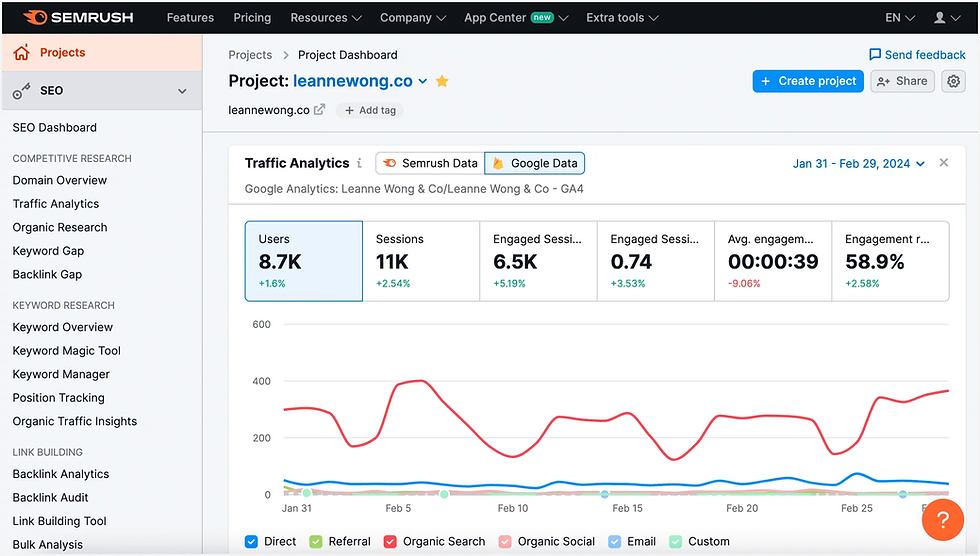
SEMrush is one of the most powerful best SEO tools for keyword research. It provides comprehensive insights into search volume, keyword difficulty, competitor strategies, and even content gaps.
With SEMrush, you can discover which keywords your competitors are ranking for, analyze their top-performing pages, and identify opportunities to outrank them.
For example, if your competitor ranks for “website SEO keyword research tools,” SEMrush helps you see the search volume and related terms so you can create content that targets the same audience more effectively.
SEMrush isn’t just for finding keywords, it’s a complete competitive intelligence platform.
For example, a small e-commerce store can use SEMrush to see which product pages competitors are ranking for, or which blog topics are driving the most traffic.
This platform is ideal for businesses looking to implement a strategic, data-driven SEO campaign, ensuring every page is optimized to attract high-value traffic.

Ubersuggest
Ubersuggest is a beginner-friendly platform for keyword research for blog content and small business websites.
It provides keyword suggestions, search volume data, and SEO difficulty scores, making it easy to find relevant keywords for your content strategy.
For example, entering a broad term like “SEO tools to find keywords” generates dozens of long-tail variations you can use in blogs, landing pages, or FAQs.
Ubersuggest is great for uncovering blog post ideas and content opportunities.
For instance, a local bakery could enter “how to start a bakery online” and find multiple long-tail phrases like “marketing strategies for small bakeries” or “SEO tips for local food businesses.”
Ubersuggest also includes insights into trending topics and competitor performance, helping you identify opportunities that are often overlooked.

Ahrefs
Ahrefs is another highly regarded tool for website SEO keyword research tools. It offers detailed SEO keyword analysis free through trial versions and paid plans, allowing you to explore search volume, keyword difficulty, click-through potential, and ranking history.
Ahrefs is particularly strong for backlink research, showing which content drives traffic for certain keywords.
This insight helps you understand how to structure your content for maximum impact and how to target keywords that can realistically help you outrank competitors.
For example, a digital marketing agency could find that competitors’ guides on “email marketing automation” or “setting up Google Analytics for small businesses” are driving significant traffic.
This allows you to find relevant keywords while also identifying content gaps. You can create new pages or blog posts that fill these gaps, helping you gain visibility where competitors may be missing opportunities.

ChatGPT
While AI isn’t a traditional keyword research tool, ChatGPT can assist in brainstorming keyword ideas and content topics.
For example, if you’re creating a series of educational blog posts, ChatGPT can generate topic clusters like “best social media strategies for local businesses” or “how to improve website conversions for e-commerce stores.”
For example, ChatGPT can help you find the right keywords for SEO by suggesting variations, long-tail keywords, and questions your audience is asking, which can later be verified with data from platforms like SEMrush or Google Keyword Planner.

Google Search
Google itself is a simple yet powerful tool for keyword research. Using Google Search, you can explore autocomplete suggestions, “People also ask” boxes, and related searches to find relevant keywords.
Google itself is a goldmine for discovering user intent beyond obvious keyword phrases.
Typing in “how to grow a small business online” can reveal autocomplete suggestions like “social media marketing for local shops” or “affordable website design for small businesses.”
This method helps identify trending topics and long-tail phrases that are highly relevant to your audience.

Google Keyword Planner
Google Keyword Planner is a free tool designed primarily for advertisers, but it’s highly effective for SEO as well.
It allows you to find SEO keywords for free, explore search volume, competition, and trends, and discover ideas for both organic and paid campaigns.
Using Google Keyword Planner, you can check how to find out keyword search volume for specific terms and identify which phrases are worth targeting.
For example, a fitness studio could explore terms like “beginner yoga classes near me,” “how to lose weight at home,” or “personal training tips for seniors.”
This allows businesses to find SEO keywords for free while also planning campaigns for blogs, service pages, and Google Ads. You can even estimate how much traffic each term might drive, helping prioritize which topics to create first.
By combining multiple tools, from SEO tools to find keywords to AI and free platforms, businesses can create a robust keyword strategy.
Each tool provides a unique perspective, whether it’s traffic estimates, competition insights, or keyword variations. Integrating these findings ensures your website targets the most valuable phrases, supporting long-term growth, higher rankings, and a stronger online presence.

Step 3 - Analyze Keyword Metrics & Search Intent
Once you’ve compiled a list of potential keywords using your preferred tools, the next critical step is to analyze keyword metrics and search intent.
This phase is essential for understanding which terms are truly valuable for your business and ensuring that every keyword you target aligns with your audience’s needs.
It’s not enough to simply find keyword search volume; you need to evaluate each keyword’s potential to drive qualified traffic, conversions, and long-term growth.
Evaluating Keyword Metrics
The first part of this step is to assess the quantitative metrics associated with each keyword.
Search volume indicates how many people are looking for a term in a given period, providing insight into its popularity.
Tools like Google Keyword Planner or SEMrush allow you to find keyword search volume and compare similar phrases to determine which ones are worth targeting.
Competition or keyword difficulty measures how challenging it will be to rank for a term. Highly competitive keywords might require more resources, backlinks, and content authority, while lower-competition terms, often long-tail phrases, can deliver more targeted traffic with less effort.
Other metrics to consider include click-through rates, cost-per-click for paid campaigns, and historical trends.
For example, if your goal is to run a campaign on Google Ads, understanding how to find keywords for Google Ads with high intent but reasonable competition is critical for maximizing ROI.
Understanding Search Intent
Keyword metrics alone aren’t enough. You must also interpret the search intent behind each keyword. This involves understanding why someone is searching for a term and what action they are likely to take.
For example, a user typing “how to choose a small business accounting software” is likely in the research phase and looking for guidance or comparisons. Meanwhile, someone searching for “buy QuickBooks online subscription” is much closer to making a purchasing decision.
Aligning your content with the right intent ensures that visitors find exactly what they need, which increases engagement and conversions.
Search intent can be categorized broadly into informational, navigational, commercial, and transactional.
An informational keyword like “how to create a website for a small business” is best served with a detailed guide, tutorial, or blog post that educates the audience.
A commercial keyword such as “best web hosting services for small businesses” could be used in a comparison guide or service overview to help users evaluate their options.
A transactional keyword like “hire web designer in Toronto” is better suited for a landing page or service offering designed to capture leads and drive conversions.
An informational keyword like “how to find the best keywords for your website” is best served with a detailed guide or blog post. A transactional keyword may be more appropriate for a landing page or service offering.
Prioritizing Keywords
Once you’ve analyzed both metrics and intent, the next step is prioritization. Focus on keywords that balance search volume, competition, and relevance to your business goals.
Targeting the right mix of short-tail and long-tail keywords ensures your strategy captures both broad visibility and high-converting traffic.
For example, combining a high-volume phrase with a long-tail modifier allows you to attract general interest while capturing visitors with strong buying intent.
By carefully evaluating how to find the best keywords for your website, you ensure that your SEO efforts are efficient, targeted, and capable of driving measurable growth.
Every page on your site can then be optimized with purpose, turning keyword insights into actionable opportunities.

Step 4 - Pick Primary and Secondary Keywords
After analyzing metrics and search intent, the next step in how to find keywords for website SEO is selecting and prioritizing your keywords.
This is where your strategy becomes actionable. Choosing the right mix of primary and secondary keywords ensures your pages are optimized effectively, target the right audience, and deliver measurable results.
How to Prioritize Keywords for Content and SEO Campaigns
Not all keywords are equal, and prioritization is key. When deciding how to find best search keywords, consider three factors: relevance, search volume, and competition.
Relevance ensures that the keyword aligns with the content on your page and matches what your audience is searching for.
High-volume keywords attract more traffic, but they often have higher competition.
Meanwhile, lower-volume, niche terms, often long-tail keywords, can deliver highly targeted visitors who are more likely to convert.
Begin by identifying keywords that offer a balance between these factors.
For example, a landscaping company creating a blog post might target a long-tail phrase like “best drought-tolerant plants for small yards” instead of a highly competitive broad term like “plants.”
This approach allows the business to capture visitors with a clear interest in their services while gradually building authority in their niche.
This approach allows you to capture qualified traffic while building authority in your niche.
Primary vs. Secondary Keywords
Primary keywords are the main focus of a page or piece of content. They should appear in your title tag, headers, meta description, and naturally throughout the body content.
Choosing a strong primary keyword is important because it signals to search engines the central topic of your page.
Secondary keywords support the primary keyword by covering related terms and variations. They can include synonyms, long-tail variations, or contextually relevant phrases.
Incorporating secondary keywords helps search engines understand your page comprehensively and improves the chances of ranking for multiple queries.
For example, if a primary keyword is “affordable home office desk ideas,” secondary keywords might include “space-saving desks for apartments” or “budget-friendly office furniture.” These variations expand the reach of your page while maintaining relevance.
Another example is if your primary keyword is “how to find keywords for website SEO,” secondary keywords might include “how to select keywords for SEO” or “best search keywords for content strategy.”
These variations expand the reach of your page while maintaining relevance.
By carefully selecting and prioritizing keywords, businesses can ensure every page is optimized for both search engines and the audience. This approach not only improves visibility but also drives higher-quality traffic and better engagement, laying the groundwork for sustainable growth.

Step 5 - Incorporate Keywords into On-Page Optimization
Once you have selected your primary and secondary keywords, the final step in the keyword research process is to strategically incorporate them into your website content.
This step ensures that search engines understand the relevance of your pages and that your content resonates with your target audience. Optimizing pages effectively bridges the gap between keyword research for beginners and tangible results, like higher search rankings and more qualified traffic.

Using Keywords in Titles and Headers
Your page titles and headers are among the most important locations for keywords.
Including your primary keyword in the page title immediately signals to search engines what your content is about.
For instance, a blog post on interior design might target the primary keyword “space-saving furniture ideas” in the H1, while secondary keywords like “budget-friendly small apartment furniture” appear in H2s and H3s.
Headers not only improve SEO but also make content more skimmable for users. By following a logical header hierarchy, you guide visitors through the page while reinforcing keyword relevance naturally.
Integrating Keywords into Body Content
When placing keywords within body content, focus on natural usage rather than repetition. Overstuffing keywords can hurt readability and SEO performance. Instead, weave them into sentences where they make sense, providing context and value.
For example, a tutorial page could explain how to do keyword research by detailing steps, tools, and strategies.
The primary keyword might appear early in the introduction, while secondary variations like “beginner’s guide to keyword research” or “keyword research for beginners” can appear throughout paragraphs and supporting sections.
This approach helps search engines understand the page’s topic comprehensively while keeping the reader engaged.

Optimizing Meta Descriptions and URLs
Meta descriptions are short snippets that appear in search results, and they should include your primary keyword to improve relevance and click-through rates.
Similarly, incorporating keywords into your page URL makes the link more descriptive and SEO-friendly.
For instance, a URL like www.example.com/beginner-guide-keyword-research clearly communicates the topic of the page.
Using the primary keyword in meta descriptions, URLs, and even image alt text strengthens your overall on-page SEO and helps search engines index your content accurately.

Internal Links
Internal links are another powerful way to use your keywords strategically. Linking to related pages or blog posts using descriptive anchor text that contains a targeted keyword helps search engines understand content relationships and improves user navigation.
For example, linking to a resource titled Beginner’s Guide to Keyword Research from a service page about SEO strategy reinforces topical relevance.
Similarly, phrases like “how to find top keywords for a website” can be naturally incorporated into contextual links throughout your content.
Conclusion
Mastering how to find best keywords for SEO is one of the most impactful steps any business can take to grow its online presence.
Effective keyword research lays the foundation for every aspect of your digital marketing strategy, from creating engaging blog posts to optimizing service pages, running paid campaigns, and improving local visibility.
By following this keyword research guide, you now understand the step-by-step process: identifying pages to optimize, using the right tools, analyzing metrics and search intent, selecting primary and secondary keywords, and incorporating them into on-page content.
These practices ensure your website is positioned to attract qualified visitors and convert them into loyal customers.
Implementing SEO keyword research for beginners is not just about improving rankings; it’s about building a website and digital marketing strategy that truly serves your audience.
When done correctly, keyword research for websites and keyword research for digital marketing provides actionable insights that guide content creation, campaign planning, and overall online growth.
If you’re ready to take your SEO efforts further, explore additional strategies in our guide on How to Grow Your Website Traffic, where we dive into other ways to attract and retain customers online.
For a more hands-on approach, download our Free E-Book – How to Build Your Business’s Online Presence in 90 Days, to get a complete roadmap, tools, and templates for scaling your business online.
Frequently Asked Questions (FAQ)
What are the 4 types of keywords?
The four main types of keywords are informational, transactional, commercial, and navigational.
Informational keywords are used when people are looking for answers or guidance.
Transactional keywords indicate readiness to take action, such as buying or signing up.
Commercial keywords are for users evaluating options, and navigational keywords are used to find specific websites or resources.
Understanding these types is key in keyword research SEO, helping you target the right audience with the right content.
What are the most popular keywords?
The most popular keywords are those with high search volume, meaning a large number of people are searching for them regularly.
Examples vary by industry but typically include broad terms like “digital marketing,” “website design,” or “small business SEO.”
While popular keywords can bring significant traffic, they also tend to be highly competitive. That’s why combining high-volume terms with long-tail keywords in your beginner SEO keyword research strategy often yields the best results.
Which keywords are best to target in SEO?
The best keywords for SEO are relevant to your business, have search volume that matches your goals, and align with user intent.
A mix of short-tail, mid-tail, and long-tail keywords ensures broad visibility and highly targeted traffic.
For small businesses, long-tail and niche keywords often perform better, as they capture users ready to engage or convert. Learning how to find the best keywords for SEO ensures your content is both discoverable and impactful.
How to find perfect keywords?
Finding the perfect keywords requires combining research, tools, and strategy. Start by analyzing your audience’s needs, then use tools like Google Keyword Planner, SEMrush, or Ubersuggest to find relevant keywords.
Evaluate search volume, competition, and search intent, and map your primary and secondary keywords to specific pages. This structured approach turns keyword research for beginners' guide strategies into actionable results.
What are profitable keywords?
Profitable keywords are terms that not only attract traffic but also drive conversions or revenue. These are usually high-intent phrases, such as “hire a web design agency” or “best CRM software for small business.” Using keyword research helps identify which keywords are likely to generate leads, sales, or sign-ups for your business.
How many keywords are good for SEO?
There’s no one-size-fits-all answer, but it’s generally best to focus on one primary keyword per page, supported by 30 to 200 secondary keywords. This ensures your page is optimized for search engines without keyword stuffing.
For larger websites, a comprehensive keyword research SEO strategy should target dozens or hundreds of keywords across multiple pages, with each page serving a specific intent.
How do I choose SEO keywords?
Choosing the right SEO keywords involves understanding your audience, analyzing search volume and competition, and aligning terms with user intent. Start by defining your goals, then use how to do keyword research tools to generate and evaluate potential keywords. Prioritize terms that are relevant, attainable, and capable of driving conversions for your website.
Can I do SEO myself?
Yes, with the right tools, strategy, and consistent effort, businesses can implement SEO themselves. Using guides like beginner keyword research tutorial and free tools such as Google Keyword Planner, you can perform keyword research for websites, optimize pages, and improve your search visibility. For more complex campaigns or faster results, partnering with a professional agency ensures your SEO efforts are strategic, efficient, and aligned with growth goals.


%20-%20Text%20%26%20Icon%20-%20White%20(PNG)_edited.png)
Comments