
How to Build a Digital Marketing Funnel (Beginner's Guide)

Many businesses invest time and money into building their online presence but struggle to turn that attention into consistent growth.
They may have a professional website, active social media profiles, and marketing campaigns running, yet they still experience challenges generating qualified leads, converting website visitors, and creating predictable revenue.
The problem is often not a lack of marketing activity.
The problem is a lack of structure.
Without a clear system guiding potential customers from their first interaction with your brand to becoming a customer, marketing efforts can become disconnected and difficult to measure.
This is where a digital marketing funnel becomes essential.
A funnel creates a strategic pathway that helps businesses attract the right audience, build trust, nurture relationships, and encourage action at the right time.
Understanding how to build a digital marketing funnel allows businesses to move beyond individual marketing tactics and create a complete growth system.

Instead of simply publishing content, running advertisements, or attracting website visitors, a funnel connects every marketing activity together with a clear purpose.
Together, these elements create a connected digital marketing funnel strategy designed to support sustainable business growth.
For businesses looking to create a more organized approach, a sales funnel for small business can help transform scattered marketing activities into a repeatable system for attracting and converting customers.
In this guide, we will break down everything businesses need to know about building an effective funnel, from understanding the different funnel stages to creating offers, optimizing landing pages, tracking performance, and improving conversions.
You will learn how a complete marketing funnel explained can help your business:
Generate more qualified customers and clients.
Improve customer experiences.
Increase marketing ROI.
Create more predictable growth.
Whether you are building your first funnel or improving an existing marketing system, the principles remain the same: understand your audience, provide value, remove friction, and guide customers toward the next step.
To continue building your digital foundation, download our Free E-Book for the Ultimate Guide to Building Your Business's Online Presence in 90 Days and discover the strategies businesses can use to create a stronger online presence, attract more customers, and grow with confidence.

What is a Digital Marketing Funnel?
For many businesses, digital marketing feels disconnected.
Traffic comes to the website, social media posts are published, ads are launched, and emails are sent, but there is no clear system connecting everything together.
As a result, businesses often struggle with inconsistent leads, low conversion rates, and unclear customer journeys.
This is where a digital marketing funnel becomes essential.
Understanding what a digital marketing funnel is is one of the foundational steps toward building a scalable online presence.
A funnel is not just a marketing concept; it is a structured system that guides potential customers from discovering your business to eventually becoming loyal customers.
At its core, a funnel helps businesses create intentional pathways that move users through stages of awareness, consideration, conversion, and retention.
Instead of hoping visitors eventually convert, funnels strategically guide users toward action.
For businesses looking to learn how to build a digital marketing funnel, the goal is not simply to generate more traffic. The real objective is creating a repeatable process that turns traffic into measurable business growth.
If you want a deeper breakdown of funnel structures, strategies, and optimization frameworks, explore our Complete Guide to Digital Marketing Funnels.

What a Digital Marketing Funnel Actually Does?
A conversion funnel maps the journey users take before becoming customers.
When someone first discovers your business, they are usually not ready to buy immediately. Most users go through multiple stages before making a decision.
For example, a potential customer may first discover your business through a Google search, social media post, or advertisement. They may then visit your website, read your content, compare your services, and eventually book a consultation or make a purchase.
Without a funnel, these interactions are often disconnected.
With a funnel, every stage is strategically designed to move the user closer to conversion.
This is one of the main reasons why are marketing funnels important in modern digital marketing. They transform random marketing efforts into structured growth systems.
Why Funnels Matter for Business Growth
A well-built funnel creates structure, predictability, and scalability.
Rather than relying on inconsistent referrals or random marketing tactics, funnels create repeatable systems that continuously attract, nurture, and convert leads.
This is why businesses investing in funnel systems often experience stronger long-term growth compared to businesses using disconnected marketing efforts.
Funnels Improve Conversion Rates
One of the biggest advantages of a conversion funnel is its ability to improve conversion rates.
Most website visitors do not convert immediately because they are still gathering information, comparing options, or evaluating trust.
Funnels solve this problem by guiding users step-by-step.
Instead of sending users directly to a generic homepage and hoping they take action, funnels create intentional pathways with focused messaging, educational content, strategic calls-to-action, and optimized landing pages.
This structured journey reduces friction and increases the likelihood of conversion.
For example, a user searching for educational information may first enter the awareness stage through a blog post. From there, they may download a resource, join an email sequence, and later convert through a consultation or offer page.
Each stage builds momentum toward the final conversion.
Funnels Improve Marketing ROI
One of the biggest challenges businesses face is inefficient marketing spend.
Without a funnel, businesses often invest in advertising or content marketing without a clear strategy for converting traffic into leads or customers.
Funnels improve ROI by aligning marketing activities with user intent.
Instead of sending all traffic to the same destination, businesses can tailor messaging and offers based on where users are in the decision-making process.
Funnels also provide clearer performance data.
Because funnel stages are measurable, businesses can identify where users drop off and optimize weak points to improve results over time.
Funnels Improve Lead Generation
A strong lead generation funnel creates a more consistent and scalable method of acquiring leads.
Rather than waiting for users to contact your business organically, funnels proactively guide visitors toward taking action.
The result is a system designed to continuously generate opportunities.
For growing businesses, this predictability is critical. It allows marketing efforts to become more strategic, measurable, and scalable over time.
When businesses understand how to build a digital marketing funnel, they gain more control over the customer acquisition process instead of relying on unpredictable marketing outcomes.
Funnels Improve Customer Experience
Funnels are not just designed for businesses; they are designed for users.
One of the reasons why marketing funnels are important is that they improve the customer journey itself.
Modern users expect clarity, relevance, and seamless digital experiences. If a website is confusing, overwhelming, or disconnected, visitors are far more likely to leave without taking action.
Funnels help eliminate that friction.
By guiding users through a structured journey, businesses can provide more personalized and relevant experiences at every stage.
For example, someone discovering your business for the first time likely needs educational content, while someone closer to making a decision may need testimonials, pricing information, or case studies.
A well-designed funnel delivers the right information at the right moment.
Ultimately, a digital marketing funnel is about creating scalability.
Businesses that rely entirely on manual outreach or inconsistent lead sources often struggle to grow efficiently. Funnels create systems that continuously support acquisition, nurturing, conversion, and retention.
Stages of a Digital Marketing Funnel Explained
To fully understand how to build a digital marketing funnel, businesses first need to understand the structure behind it.
Every successful funnel follows a progression.
Users move from discovering your business for the first time to eventually becoming customers, and ideally long-term advocates. Each stage serves a different purpose, requires different messaging, and targets a different level of intent.
This is one of the most important concepts when learning about the stages of a marketing funnel.
A funnel is not just about selling. It is about guiding users through a complete decision-making journey in a way that feels natural, valuable, and strategically aligned with their needs.
Top of Funnel (TOFU) - Awareness
The Top of Funnel stage is where users discover your business for the first time.
At this stage, potential customers are not necessarily looking to buy immediately. Instead, they are researching, learning, exploring solutions, or identifying problems they need help solving.
The primary objective of TOFU is visibility.
Your goal is to attract attention, educate users, and introduce your business to new audiences.
This stage lays the foundation for the entire customer journey funnel because first impressions heavily influence whether users continue engaging with your brand.
Many businesses focus only on conversions and overlook awareness entirely.
However, without a strong top-of-funnel strategy, there are no new users entering the funnel consistently. A healthy funnel requires continuous traffic generation to support long-term growth.
This is why awareness is an essential part of any successful digital sales funnel strategy.
Best Marketing Channels for TOFU
The awareness stage relies heavily on channels that generate visibility and traffic.
If you want to learn more about awareness-stage acquisition strategies, explore our guide on How to Attract New Customers Online.

Search Engine Optimization (SEO)
Search Engine Optimization is one of the most powerful TOFU strategies because it allows businesses to attract users actively searching for information, services, or solutions.
SEO-driven blog content helps businesses build authority while generating long-term organic traffic.
For businesses building a digital sales funnel, SEO often becomes a foundational traffic source because it consistently introduces high-intent users into the funnel.
The advantage of SEO is sustainability.
A properly optimized blog article can continue generating traffic, leads, and visibility for months or even years after publication. Over time, this compounds into a scalable organic acquisition system that continuously introduces new users into your funnel.
SEO also supports trust-building because businesses appearing prominently in search results are often perceived as more credible and authoritative.

Blogging
Blogging is one of the foundational components of awareness-stage funnel marketing.
Blogs allow businesses to answer questions, target keywords, educate audiences, and establish expertise within their industry.
For businesses learning how to build a digital marketing funnel, blogging plays an important role because most users begin their journey with research rather than purchasing intent.
Educational blog content helps bridge that gap.
By creating content that answers these questions, businesses position themselves earlier in the customer journey while building trust organically.
Consistent blogging also strengthens overall SEO performance by expanding keyword coverage, increasing indexed pages, and improving topical relevance.

Social Media Marketing
Social media platforms help businesses expand reach, increase brand awareness, and engage audiences at scale.
At the awareness stage, users are often discovering brands casually through feeds, short-form videos, reels, posts, and community engagement rather than through direct buying intent.
Because of this, content should focus heavily on value and engagement rather than aggressive promotion.
Educational posts, quick tips, industry insights, behind-the-scenes content, and relatable business challenges often perform well because they encourage interaction while positioning the business as knowledgeable and approachable.
Social media also supports brand repetition.
Repeated exposure across platforms increases familiarity, which plays a major role in trust development throughout the funnel journey.

YouTube
YouTube is one of the most powerful awareness-stage platforms because video builds trust faster than most other content formats.
Users can hear your voice, understand your expertise, and connect with your brand personality in a more engaging way than text alone.
Educational YouTube content works especially well at the top of the funnel because users frequently search for tutorials, walkthroughs, explanations, and strategic advice.
Video also increases engagement time, which helps deepen user familiarity with your business earlier in the funnel.
For businesses focused on authority-building, YouTube can become a major long-term traffic and lead-generation channel when combined with SEO and website content.

Google Ads
Google Ads can accelerate awareness by positioning your business directly in front of users actively searching for related solutions.
Unlike SEO, which compounds over time, Google Ads generate visibility almost instantly. This makes paid search advertising highly effective for accelerating awareness and feeding traffic into a funnel quickly.
This introduces users to your brand while directing them toward educational or lead-generation assets.
A major advantage of Google Ads within a digital sales funnel is intent targeting. Businesses can reach users at the exact moment they are searching for related information or solutions.
When paired with optimized landing pages and nurturing systems, Google Ads become a highly scalable acquisition channel.

Meta Ads
Meta Ads across Facebook and Instagram are highly effective for awareness because they allow businesses to proactively reach users based on interests, demographics, online behaviour, and engagement patterns.
Unlike Google Ads, which target active searches, Meta Ads interrupt user attention while they browse content.
Because of this, creative quality becomes extremely important.
These campaigns work best when they provide immediate value rather than pushing aggressive sales messaging too early.
Meta Ads also play an important role in audience building.
Businesses can create custom audiences, retarget engaged users, and build lookalike audiences that improve targeting efficiency over time.
Middle of Funnel (MOFU) - Consideration
The Middle of Funnel stage is where users begin evaluating solutions.
At this point, potential customers are aware of their problem and actively researching options. They may be comparing businesses, reviewing services, consuming educational content, or looking for proof and trust signals before making a decision.
This stage is where nurturing becomes essential.
Understanding how a digital marketing funnel works requires understanding that most users do not convert after a single interaction. Businesses must build trust progressively over time.
Businesses that skip the nurturing stage often struggle with low conversion rates.
Users rarely trust businesses immediately, especially for higher-ticket products or services. The consideration stage bridges that gap by providing education, authority, and reassurance before the conversion stage begins.
Best MOFU Strategies
The consideration stage focuses heavily on education, authority, and relationship-building.

Lead Magnets
Lead magnets are one of the most effective tools for moving users deeper into a marketing funnel for lead generation.
A lead magnet provides something valuable in exchange for a user’s contact information.
This transforms anonymous website visitors into identifiable leads that businesses can continue nurturing through email marketing and retargeting campaigns.
Examples include:
E-books
Checklists
Templates
Free audits
Guides
Effective lead magnets solve specific problems quickly and provide immediate value.
A strong lead magnet supports a marketing funnel for lead generation by converting anonymous visitors into trackable leads.
The best lead magnets are highly relevant to the audience’s current pain points and aligned with the services or solutions your business provides.

Email Marketing
Email marketing remains one of the highest ROI channels in digital marketing because it allows businesses to nurture relationships over time.
Most users are not ready to convert immediately after discovering a business. Email sequences help maintain engagement while gradually building trust and authority.
The goal is not to pressure users into buying immediately, but to stay consistently valuable and top-of-mind throughout the consideration stage.
This is a major part of the best digital marketing funnel strategy because repeated exposure and ongoing education significantly improve conversion likelihood over time.
Webinars
Webinars are highly effective for educating audiences while demonstrating expertise.
Webinars work particularly well for higher-ticket services or industries where users require more education before making decisions.
They also help qualify leads because users willing to invest time into attending a webinar are often more engaged and interested than casual website visitors.
Case Studies
Case studies help reduce uncertainty.
Case studies are one of the strongest trust-building assets within a funnel.
Potential customers want evidence that your business can deliver real results. Case studies reduce uncertainty by showcasing measurable outcomes, real-world examples, and successful client experiences.
This is a major component of the best digital marketing funnel strategy because trust plays a critical role during the consideration stage.

Comparison Pages
Comparison pages target users actively evaluating options.
These pages help businesses position themselves against competitors, alternative solutions, or different approaches while highlighting differentiators and value.
Users searching comparison-based queries are often closer to conversion because they are narrowing down choices before making a decision.
Well-optimized comparison pages can become highly effective bottom-funnel acquisition assets while also strengthening trust and transparency.
Bottom of Funnel (BOFU) – Conversion (Action)
The Bottom of Funnel stage is where users are ready to take action.
At this point, they have moved through the earlier stages of a digital marketing funnel and are now evaluating whether your business is the right choice.
This stage focuses on reducing friction, increasing confidence, and encouraging immediate action.
Best BOFU Funnel Elements
Conversion-stage assets should be highly focused and optimized for decision-making.
Many businesses generate traffic successfully but struggle to convert it.
This often happens because the bottom-of-funnel experience lacks clarity, trust, or strategic optimization.
The strongest funnels reduce friction and make taking action feel easy and natural.

Landing Pages
Landing pages are one of the most important conversion assets within a funnel system.
Unlike traditional website pages, landing pages are designed around a single objective. Instead of presenting multiple navigation options or distractions, they focus entirely on guiding users toward one action.
Strong landing pages eliminate distractions and focus entirely on conversion.
One of the biggest mistakes businesses make is sending paid traffic directly to generic homepage content rather than funnel-specific landing pages.
Landing pages convert better because they align directly with user intent and maintain message consistency between the ad, content, and conversion goal.
Within a digital sales funnel, landing pages often become the highest-impact conversion point.
Strong Offerings
Even the best funnel cannot compensate for a weak offer.
Your offer is ultimately what motivates users to take action. If the value proposition is unclear, generic, or unconvincing, conversion rates will suffer regardless of how much traffic enters the funnel.
Strong offers focus on outcomes rather than just features.
The strongest offers reduce uncertainty while increasing perceived value.
Businesses need clear value propositions that communicate benefits, outcomes, and differentiation in a compelling way.
A strong offer creates momentum within the funnel because it gives users a compelling reason to act now rather than delaying the decision.
Pricing Pages
Pricing pages play a major role in reducing uncertainty during the decision-making process.
Users approaching the conversion stage often want clarity before contacting a business or making a purchase. When pricing information is vague or difficult to find, users may leave the funnel entirely.
Well-structured pricing pages improve transparency and help qualify leads more effectively.
For service-based businesses, pricing pages can also help position value strategically rather than competing solely on cost.
Businesses that communicate outcomes and ROI effectively often justify premium pricing more successfully.
Pricing pages are especially important within higher-ticket funnel systems because users often need additional reassurance before taking action.

Product Pages
For e-commerce businesses, product pages are one of the most critical conversion assets in the entire funnel.
A poorly optimized product page creates friction immediately.
Users need enough information to feel confident making a purchasing decision without becoming overwhelmed or confused.
Modern users expect seamless product experiences, especially on mobile devices.
Small UX improvements such as faster load speeds, simplified layouts, and better image quality can significantly impact conversion performance.
Within a conversion funnel, optimized product pages directly influence both revenue generation and overall funnel efficiency.
Testimonials
Testimonials are one of the strongest trust-building elements in digital marketing.
By the time users reach the conversion stage, they are often looking for reassurance that your business can deliver on its promises.
Testimonials help reduce uncertainty by providing social proof from real customers.
Strong testimonials go beyond generic praise.
Case studies, reviews, video testimonials, and client success stories all help strengthen conversion confidence.
For many businesses, testimonials become the final factor that pushes users toward action.
Post-Funnel – Retention
One of the most overlooked parts of a funnel is what happens after the conversion. In reality, retention is often more profitable than acquisition.
Acquiring new customers typically costs significantly more than retaining existing ones, which is why retention strategies are a major part of long-term growth.
Many businesses stop marketing after the first conversion.
However, one of the most important parts of a successful funnel marketing strategy happens after a customer already buys, books, or converts.
Retention-focused systems help businesses maximize customer lifetime value while strengthening long-term relationships.
In many industries, retaining existing customers is significantly more cost-effective than constantly acquiring new ones.

Email Follow-Ups
Email follow-ups help businesses maintain communication after conversion.
Rather than ending the relationship immediately after a purchase or consultation, follow-up emails continue delivering value and keeping the customer engaged.
Consistent follow-up communication strengthens trust while increasing the likelihood of repeat business.
Email sequences also help businesses stay top-of-mind long after the initial interaction.
Loyalty Programs
Loyalty programs incentivize repeat engagement and encourage customers to continue choosing your business over competitors.
Loyalty systems work especially well because they increase perceived value while strengthening emotional connection with the brand.
Businesses with strong retention systems often experience higher customer lifetime value and stronger long-term revenue stability.

Upselling
Upselling focuses on offering upgraded or expanded solutions to existing customers.
Because trust has already been established, existing customers are often more likely to purchase additional services or premium options compared to new leads entering the funnel for the first time.
Successful upselling strategies focus on relevance and timing rather than aggressive selling.
When positioned properly, upsells feel helpful rather than transactional.

Cross-Selling
Cross-selling introduces complementary products or services related to the customer’s original purchase.
This strategy helps businesses increase customer value while simultaneously improving the customer experience through additional solutions.
Cross-selling works best when recommendations are highly relevant and aligned with the customer’s goals.
Customer Support Systems
Customer support is often overlooked within funnel strategy, yet it has a major impact on retention and brand reputation.
A poor support experience can undo an otherwise strong funnel journey.
The post-conversion experience often determines whether customers become long-term advocates or one-time transactions.
Businesses that prioritize support frequently see stronger retention, more referrals, and higher customer lifetime value over time.
How to Build a Digital Marketing Funnel (Step-by-Step)
Building a funnel is not about randomly combining ads, websites, emails, and social media together.
A successful funnel is intentionally designed around the customer journey. Every stage, message, and marketing asset should guide users toward a specific action while creating a smooth and valuable experience.
For businesses learning how to create a digital marketing funnel for small business, the goal is to create a system that consistently attracts, nurtures, and converts the right audience.
The strongest funnels are built strategically from the ground up.
When businesses understand these fundamentals, building a funnel becomes significantly more effective.
Whether you are learning how to build a sales funnel for beginners or looking to improve an existing system, the first step always starts with understanding your audience.

Step 1: Define Your Target Audience
Every successful funnel begins with audience clarity.
One of the biggest mistakes businesses make when learning how to build an online marketing funnel is trying to market to everyone.
Broad messaging often creates weak positioning because it fails to connect deeply with any specific audience.
Strong funnels are built around clearly defined customer groups.
This stage forms the foundation for every other part of the funnel.
Identify Your Ideal Customer
Before building funnel pages or launching campaigns, businesses need to clearly define who they are trying to attract.
Your ideal customer is the type of person most likely to benefit from your products or services while also being most likely to convert.
This process goes far beyond simply identifying age or location.
Strong audience research focuses on understanding behaviour, motivations, and decision-making patterns.
Demographics
Demographics provide foundational information about your audience.
This may include:
Age
Gender
Location
Income level
Education
Industry
Business size
For example, a local service-based business targeting homeowners will likely require completely different messaging than a B2B software company targeting executives.
Demographics help businesses shape communication styles, content strategy, and platform targeting.
However, demographics alone are not enough to build an effective funnel.
Interests
Understanding audience interests helps businesses create more engaging and relevant marketing content.
Interests influence:
Content preferences
Social media behaviour
Search habits
Online engagement patterns
For example, a business targeting entrepreneurs may create content focused on growth, scalability, automation, and lead generation because those topics align directly with audience interests.
The more aligned your content is with user interests, the more likely users are to engage with your funnel.
Behaviours
Behavioural insights are critical when building modern funnel systems.
Businesses should analyze how users interact online, including:
Search behaviour
Purchase patterns
Device usage
Platform preferences
Content consumption habits
This is especially important throughout the various digital marketing funnel stages, because user behaviour changes significantly depending on funnel position and intent.
Goals
Every customer enters a funnel with a goal they are trying to achieve.
Understanding those goals helps businesses position their messaging more effectively.
For example, users may want to:
Generate more leads
Increase revenue
Improve online visibility
Build a better website
Scale their business
Save time through automation
Funnels perform best when messaging focuses on helping users achieve outcomes rather than simply promoting features.
Businesses that clearly align their services with customer goals often see significantly higher engagement and conversion rates.
Pain Points
Pain points are often the strongest drivers behind conversion decisions.
People actively search for solutions when they experience frustration, inefficiency, or obstacles preventing growth.
Understanding pain points allows businesses to create messaging that feels highly relevant and personalized.
When users feel understood, trust develops faster throughout the funnel journey.

Create Buyer Personas
Once audience research is complete, businesses should organize this information into buyer personas.
Buyer personas are semi-fictional representations of ideal customers based on real data, behaviour patterns, goals, and motivations.
Personas help businesses humanize their audience while improving strategic decision-making across the entire funnel.
Rather than creating generic marketing campaigns, businesses can create more personalized messaging tailored to specific customer types.
Strong personas help businesses understand how different users move through the digital marketing funnel stages and what information they need at each stage.

Step 2: Map Out the Customer Journey
Once you understand your target audience, the next step is mapping out how users move through your funnel.
This stage is one of the most important parts of building an effective funnel marketing plan because it helps businesses understand how customers think, research, compare, and ultimately make decisions online.
Without a clearly mapped customer journey, funnels often become disconnected.
Businesses may create ads, content, landing pages, and emails independently without understanding how each touchpoint connects together. This creates friction, inconsistent messaging, and lower conversion performance.
A well-structured customer journey ensures every stage of the funnel works together strategically.
Instead of randomly pushing users toward conversion, businesses guide them through a logical progression that aligns with their mindset, needs, and intent at each stage.
Understand the User Decision Process
Every customer goes through a decision-making process before converting.
The length and complexity of that process depends on factors such as:
Industry
Price point
Competition
Trust level
Customer urgency
Risk perception
For example, purchasing an inexpensive product may require very little consideration, while hiring a digital agency or investing in a large service often involves extensive research and multiple touch points.
Understanding this decision-making process helps businesses create content and funnel experiences that align with customer expectations at every stage.
Identify Funnel Touchpoints
A touchpoint is any interaction a user has with your business throughout the funnel journey.
Every touchpoint influences perception, trust, and conversion likelihood.
Many businesses underestimate how many interactions occur before someone finally converts. In reality, customers often engage with multiple pieces of content, ads, emails, pages, and platforms before making a decision.
Awareness Touchpoints
Awareness-stage touchpoints focus on visibility and first impressions.
Examples may include:
Google search results
Blog articles
Facebook posts
Instagram posts
YouTube videos
TikTok videos
Google Ads
Meta Ads
Social shares
At this stage, users are evaluating whether your brand appears credible, relevant, and helpful.
Because awareness touchpoints often create first impressions, branding, messaging clarity, and content quality become extremely important.
Consideration Touchpoints
Consideration-stage touchpoints focus heavily on trust-building and education.
These may include:
Email sequences
Case studies
Lead magnets
Comparison pages
Webinars
Service pages
Reviews and testimonials
Users at this stage are looking for reassurance before making decisions.
Businesses that provide strong educational and trust-focused experiences often move users through the funnel more effectively.
Conversion Touchpoints
Conversion touchpoints are where users are encouraged to take direct action.
Examples include:
Landing pages
Consultation forms
Checkout pages
Sales pages
Pricing pages
Booking systems
These touchpoints should be optimized for simplicity, clarity, and trust.
Small friction points at this stage can significantly impact conversion rates.
Post-Conversion Touchpoints
The funnel does not end after conversion.
Post-conversion touchpoints heavily influence customer satisfaction, retention, referrals, and long-term loyalty.
Examples include:
Onboarding emails
Customer support interactions
Follow-up sequences
Retention campaigns
Upsell opportunities
Review requests
Businesses that continue nurturing relationships after conversion often achieve stronger long-term growth because customer retention increases overall customer lifetime value.

Step 3: Build and Activate Awareness Channels
Once your audience is defined and your customer journey is mapped, the next step is activating the top of your funnel.
This is where your top of the funnel digital marketing strategy begins to take shape in a practical, measurable way.
Awareness channels are responsible for one core function: bringing new, relevant people into your ecosystem. Without this step, even the best funnel structure cannot perform, because there is no consistent traffic entering the system.
At Avansta, we often explain funnels visually using a digital marketing funnel diagram, where awareness sits at the very top, feeding every downstream stage. If this layer is weak, everything below it becomes unstable.
This step is about building consistent visibility and ensuring your business is discoverable wherever your audience spends time online.
Understanding the Role of Awareness Channels in a Funnel
Awareness channels sit at the very beginning of the funnel journey.
At this stage, users are not ready to buy. They are not comparing services in detail. Instead, they are discovering solutions, learning about problems, and becoming aware that your business exists.
This means your messaging should not be overly sales-focused.
Strong awareness channels ensure your funnel is continuously “filled” with new potential customers, which directly impacts long-term growth and scalability.
Without consistent top-of-funnel input, even the strongest conversion systems will eventually plateau.

Social Media as an Awareness Engine
Social media platforms play a major role in modern funnel ecosystems.
They allow businesses to build visibility, engagement, and brand familiarity at scale.
Unlike search engines, social media does not rely on active search intent. Instead, it focuses on discovery-based visibility, where users encounter your content while browsing.
This makes social media especially powerful for early-stage funnel awareness.
The goal is to build familiarity over time so that when users eventually need your service, your brand is already recognizable.
SEO as a Core Top of Funnel Strategy
Search Engine Optimization is one of the most powerful awareness channels in modern top of the funnel digital marketing.
SEO works by capturing users who are actively searching for answers, solutions, or information related to your industry. This makes it one of the highest-intent awareness channels available.
Instead of interrupting users, SEO meets them at the exact moment they are looking for help.
These searches indicate curiosity and early-stage intent.
By creating optimized content around these topics, businesses position themselves as trusted educators early in the funnel journey.
Over time, SEO compounds into a powerful traffic engine that consistently feeds users into your funnel system without requiring ongoing ad spend for every visit.

Paid Advertising for Rapid Awareness
While SEO builds long-term visibility, paid advertising accelerates awareness immediately.
Paid channels such as Google Ads and Meta Ads allow businesses to place their message directly in front of targeted audiences based on intent, behaviour, or interests.
This is especially valuable for businesses that want to scale faster or validate offers quickly.
The key to success at this stage is alignment.
Ads must match landing pages, messaging must match intent, and content must match user expectations.
Without alignment, traffic quality decreases and funnel performance suffers.
Video Marketing for Stronger Awareness
Video content is one of the most effective awareness tools in modern digital marketing because it increases engagement and trust simultaneously.
Platforms like YouTube, Instagram Reels, and TikTok allow businesses to communicate complex ideas in a simple, visual, and engaging format.
This is particularly valuable in competitive industries where trust plays a major role in conversion decisions.
When integrated into a funnel strategy, video becomes a powerful bridge between awareness and consideration stages.
Content Marketing and Blogging
Content marketing is the backbone of most successful funnel strategies.
Blogging, guides, and educational content help businesses attract users at scale while building authority in their industry.
This stage of the funnel is not about selling directly. Instead, it focuses on helping users understand their problems and explore potential solutions.
When executed correctly, content marketing becomes a long-term asset that continuously generates awareness traffic and supports every other funnel stage.

Connecting Awareness Channels to the Funnel System
A strong funnel is not built on a single traffic source.
Instead, it relies on multiple awareness channels working together to create consistent inbound traffic.
SEO, content marketing, paid ads, social media, and video marketing all serve different roles, but they share one purpose: filling the funnel with qualified users.
When these channels are aligned, businesses create a stable and predictable growth system.
This is where many organizations begin to see the real power of a well-structured funnel system rather than isolated marketing tactics.
This is what transforms basic marketing activity into a scalable top of the funnel digital marketing system.
The awareness stage is not about immediate conversions.
It is about building consistent visibility, establishing authority, and creating entry points into your funnel ecosystem.
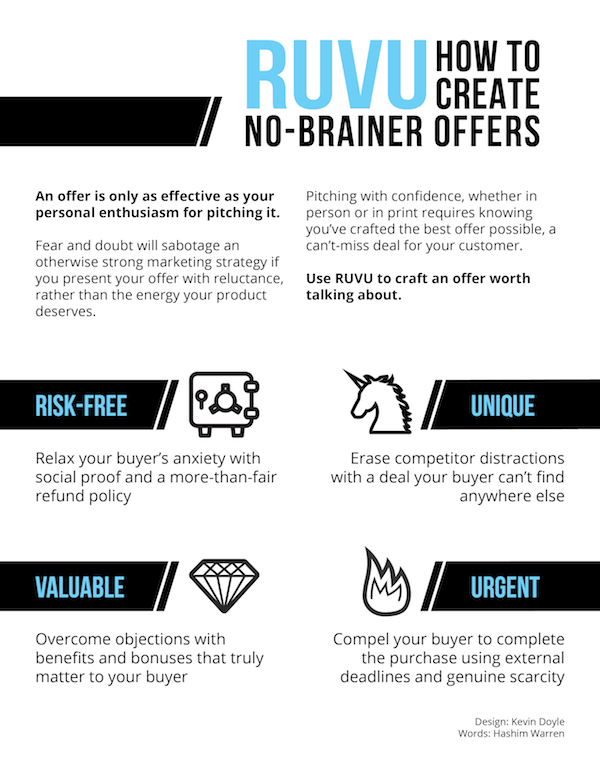
Step 4: Create An Amazing Offer
Once your awareness channels are bringing in traffic and your audience is entering the funnel, the next step is what determines whether those users actually convert.
Your offer.
Even with strong SEO, paid ads, and content marketing, a weak or unclear offer will always limit performance.
This is where many businesses lose momentum in their digital marketing strategy funnel, not because they lack traffic, but because they fail to clearly communicate value.
An offer is not just a price or a service description.
It is the bridge between interest and action.
It defines why someone should choose your business over every other option available.
Within a strong funnel approach in digital marketing, your offer becomes the central conversion mechanism that connects awareness, trust, and decision-making into a single clear outcome.
What Makes an Offer Great?
A high-converting offer is built around clarity, relevance, and perceived value.
When users reach the consideration or conversion stage of your funnel, they are asking one core question:
“Is this worth it for me?”
Your offer must answer that question instantly and confidently.
Users at this stage are evaluating multiple options, which means your offer must immediately communicate why your solution is the best fit for their needs.
If your message is unclear, generic, or overly complex, users will often leave without taking action, even if they are highly interested.
Strong offers remove uncertainty and make the decision process easier.
The strongest offers are not necessarily the cheapest or the most feature-rich. Instead, they are the most clearly aligned with the user’s problem and desired outcome.

Clear Unique Value Proposition (UVP)
A clear value proposition is the foundation of every effective offer.
It communicates exactly what the user receives, why it matters, and how it improves their situation.
Many businesses fail here because they describe what they do instead of what the customer gains.
A strong value proposition is not focused on features. Instead, it focuses on outcomes and transformation.
For example, instead of saying “we build websites,” a stronger value proposition would focus on what that website achieves.
Clarity reduces hesitation.
When users instantly understand the value, they are far more likely to continue through the funnel.
Positioning determines how your offer is perceived in the market.
Even if two businesses offer similar services, the way they position their solution can dramatically change conversion performance.
In a competitive digital marketing strategy funnel, positioning often determines whether users see your business as a generic option or a premium solution.
Problem-Solving Focus
Users do not buy services; they buy solutions to problems.
A high-converting offer is always framed around solving a specific pain point.
Instead of focusing on what you do, focus on what problem you eliminate.
When users see their exact problem reflected in your messaging, they are significantly more likely to engage with your offer.
This is a core principle of an effective funnel approach in digital marketing because it aligns messaging directly with user intent.
Elements of a High-Converting Offer
A successful funnel does not convert users simply because they reached the final stage.
Conversion happens when the offer clearly communicates value, reduces uncertainty, and provides a compelling reason for someone to take action.
Within a digital marketing strategy funnel, your offer acts as the connection point between customer interest and business growth. It transforms attention into action by helping users understand not only what they are receiving, but why it matters.
A strong offer combines multiple elements that influence purchasing decisions.
These elements work together to increase perceived value, overcome objections, and create a smoother conversion experience.

Benefits
Benefits explain why your offer matters to the customer.
While features describe what is included, benefits communicate the actual value users receive from choosing your solution.
This distinction is extremely important.
Many businesses focus heavily on listing features:
“Website includes SEO optimization, analytics setup, and responsive design.”
While these details are useful, they do not immediately communicate the customer impact.
A stronger benefit-focused message explains:
“Build a website designed to attract more customers, improve visibility on Google, and generate more qualified leads.”
The second version connects the service directly to a desired outcome.
Outcomes
While benefits explain value, outcomes explain transformation.
Outcomes help customers visualize what success looks like after choosing your solution.
This is one of the most powerful psychological drivers in marketing because people rarely buy products or services, they buy improvements to their current situation.
A business owner does not simply want a new website.
Bonuses
Bonuses increase the perceived value of an offer by providing additional benefits beyond the core solution.
A well-designed bonus should support the main offer and make the overall package more attractive.
The goal is not to add random extras.
The goal is to remove barriers and provide additional value that helps the customer achieve success faster.
For example, a website package may include additional bonuses such as:
A website performance audit.
Google Business Profile optimization.
Analytics setup.
Marketing consultation.
Conversion recommendations.
These additions strengthen the overall offer because they help customers maximize the value of their investment.
Within a digital marketing strategy funnel, bonuses can help move users from consideration into conversion by increasing confidence and reducing hesitation.
Guarantees
Guarantees help reduce perceived risk.
One of the biggest barriers preventing customers from taking action is uncertainty.
They may wonder:
“Will this work?”
“Will I get results?”
“Am I making the right decision?”
A guarantee helps address these concerns by demonstrating confidence in your solution.
A guarantee communicates that your business is willing to take responsibility for delivering value. This creates psychological reassurance and strengthens credibility.

Scarcity
Scarcity encourages users to make decisions by introducing urgency.
Without a reason to act, many potential customers delay decisions, even when they are interested.
This does not mean creating artificial pressure.
Effective scarcity is based on genuine limitations or opportunities.
People naturally place higher value on opportunities that are limited.
Within the conversion stage of a funnel approach in digital marketing, scarcity can help move interested users from consideration into action.
Strong brands use urgency to help customers make decisions, not to pressure them.

Step 5: Explain Why Your the Best Choice
Creating awareness and attracting potential customers into your funnel is only the beginning.
At the consideration stage, users already understand their problem and are actively evaluating different solutions. They are comparing businesses, researching alternatives, and deciding who they can trust.
This is where differentiation becomes essential.
A successful digital funnel strategy does not simply tell customers what a business offers. It clearly communicates why that business is the right choice compared to other available options.
Many businesses lose potential customers during this stage because they focus only on describing their services rather than proving their value.
Customers do not just want to know what you do.
They want to understand:
Why should I choose you?
What makes you different?
Can you deliver the results I need?
Why should I trust your business?
Within a digital marketing and sales funnel, this stage is where trust, credibility, and positioning turn interested prospects into qualified opportunities.
The Importance of Differentiation During the Consideration Stage
The consideration stage is where customers begin comparing options.
They may visit multiple websites, read reviews, compare pricing, evaluate experience, and search for proof before making a decision.
This means simply having a professional website or listing your services is no longer enough.
Businesses need to clearly communicate their competitive advantages. The goal is to reduce uncertainty and make the decision easier.
Trust is one of the biggest factors influencing purchasing decisions.
During the consideration stage, customers want confidence that they are choosing a knowledgeable and experienced provider.
This is why authority-building content and credibility signals are essential parts of a strong digital funnel strategy.
Clearly Define Your Unique Value Proposition
Your unique value proposition explains why customers should choose your business over alternatives.
It should answer three important questions:
What do you help customers achieve?
How do you achieve it?
Why are you different from competitors?
A strong value proposition focuses on customer outcomes rather than internal company details.
For example:
A weak message:
“We provide website design and digital marketing services.”
A stronger message:
“We help Canadian businesses build conversion-focused websites and digital marketing systems designed to attract customers, generate leads, and support long-term growth.”
Showcase Real Results Through Case Studies
Case studies are one of the most powerful tools during the consideration stage.
While marketing messages explain what you can do, case studies prove that you have done it successfully.
Customers want evidence.
They want to see examples of businesses with similar challenges that achieved meaningful results.
Case studies reduce perceived risk because they allow potential customers to visualize what working with your business may look like.
People naturally look for evidence from others before making decisions.
This is why social proof is such an important component of the consideration stage.
Address Customer Objections Before They Become Barriers
One of the biggest advantages of a strong funnel is the ability to answer customer concerns before they prevent conversion.
Most potential customers have questions before making a decision.
Common objections include:
“Is this worth the investment?”
“How long will results take?”
“Will this work for my industry?”
“How is this different from other options?”
“What happens after I sign up?”
A successful digital marketing and sales funnel does not leave customers guessing why they should choose you.
It guides them toward that conclusion by consistently demonstrating value at every interaction.

Step 6: Create a Landing Page
Once users have moved through the awareness and consideration stages, the next step is creating a dedicated experience designed to encourage action.
This is where landing pages become one of the most important assets in your funnel.
A landing page is a focused webpage built around a specific marketing goal.
Unlike a traditional website page that may include multiple navigation options and competing messages, a landing page is designed to guide visitors toward one primary action.
Within the conversion stage of customer journey, landing pages play a critical role because they are often the final destination before a visitor becomes a lead or customer.
A strong landing page connects your messaging, offer, and user experience together into one seamless conversion experience.
This is why landing pages are a foundational part of a conversion funnel in digital marketing.
For a deeper understanding of landing page fundamentals, explore our Beginner's Guide to Landing Pages.
Why Landing Pages Matter in a Digital Marketing Funnel
Many businesses spend significant time and money driving traffic through SEO, social media, and advertising but send users to generic website pages.
This creates a disconnect.
A visitor who clicks on an ad about a specific service expects to arrive somewhere that directly matches that message.
If they land on a homepage with multiple options, unclear messaging, or no obvious next step, they may leave without taking action.
Within the conversion funnel steps, landing pages typically represent the moment where users transition from researching a solution to taking measurable action.

Essential Landing Page Components
A high-performing landing page is built around several core components that work together to improve clarity, trust, and conversions.
Each element has a specific purpose within the conversion process.
Headlines
The headline is one of the most important elements on your landing page.
It is often the first thing visitors see, and it determines whether they continue reading or leave.
A strong headline should immediately communicate:
What you offer.
Who it is for.
Why it matters.
The best headlines focus on the customer outcome rather than simply describing a product or service.
Subheadings
Subheadings support your headline by providing additional context.
While the headline captures attention, the subheading explains the offer in more detail.
A strong subheading helps visitors understand:
How the solution works.
What makes it valuable.
What outcome they can expect.
The combination creates a clearer value proposition and helps users quickly understand why they should continue exploring.
Calls-to-Action (CTAs)
A call-to-action tells visitors what step they should take next.
Without a clear CTA, users may understand your offer but still leave because the next action is unclear.
Strong CTAs are:
Visible.
Action-oriented.
Specific.
Value-focused.
A strong CTA reduces friction by making the next step obvious.

Social Proof
Trust is one of the biggest factors influencing conversions.
Social proof helps visitors feel confident that they are making the right decision.
Strong landing pages often include:
Customer testimonials.
Case studies.
Reviews.
Client logos.
Results achieved.
Industry experience.
Social proof reduces uncertainty and strengthens credibility during the conversion stage of customer journey.
A landing page should never be considered “finished.”
The highest-performing businesses continuously test and improve their pages based on real user behaviour.
Tools such as analytics platforms, heatmaps, and conversion tracking help businesses understand what is working and where improvements are needed.

Step 7: Set Up Tracking & Analytics
Building a digital marketing funnel without tracking is like driving without a dashboard.
You may be moving forward, but you have no clear understanding of what is working, what needs improvement, or where opportunities are being lost.
Analytics transform your funnel from a collection of marketing activities into a measurable growth system.
At this stage, businesses need to understand how users interact with each part of the funnel, from their first website visit to the moment they become a customer.
A strong tracking system helps answer important questions:
Where are your best leads coming from?
Which marketing channels generate the highest-quality traffic?
Where are users dropping off?
Which pages create the most conversions?
How much does it cost to acquire a customer?
For businesses building a sales funnel for local businesses, tracking is especially important because marketing budgets are often limited. Knowing exactly which channels produce results allows businesses to invest smarter and improve their return on investment.
Why Tracking Is Essential for Funnel Success
Many businesses launch marketing campaigns without properly measuring performance.
They may run ads, publish content, or optimize their website, but without tracking, they cannot determine whether those efforts are actually producing business results.
Effective tracking allows businesses to:
Measure marketing performance.
Identify conversion opportunities.
Optimize campaigns.
Improve customer acquisition costs.
Understand customer behaviour.
Make data-driven decisions.
This is one of the most important funnel marketing tactics because continuous improvement depends on accurate information.
A funnel should never be viewed as a one-time setup.
It should be treated as an evolving system that becomes more effective through testing, analysis, and optimization.
To properly measure funnel performance, businesses need the right tracking infrastructure in place.
These systems collect valuable information about visitor behaviour, marketing performance, and conversion activity.

Google Analytics 4 (GA4)
Google Analytics 4 is one of the most important tools for understanding how users interact with your website.
Unlike older analytics platforms, GA4 focuses heavily on user behavior and events rather than simply tracking page views.
GA4 helps businesses understand:
Where visitors come from.
Which pages they view.
How long they engage.
What actions they complete.
Where users leave the funnel.
GA4 is especially valuable within a sales funnel for local business because it provides visibility into how local customers discover, interact with, and convert through your website.

Meta Pixel
The Meta Pixel is a tracking tool that allows businesses to measure user actions from Facebook and Instagram advertising campaigns.
It provides valuable insights into how users interact with your website after clicking a social media advertisement.
The Meta Pixel helps track actions such as:
Page views.
Form submissions.
Lead generation.
Purchases.
Conversions.
This data allows businesses to create more effective advertising campaigns by understanding which audiences and messages generate the strongest results.
Without proper tracking, businesses may only see clicks and impressions without knowing whether those interactions create actual business outcomes.
Conversion Tracking
Conversion tracking measures whether users complete the actions that matter most to your business.
A conversion is any valuable action that moves someone closer to becoming a customer.
Examples include:
Submitting a contact form.
Booking a consultation.
Calling your business.
Requesting a quote.
Purchasing a product.
Downloading a resource.
Conversion tracking allows businesses to connect marketing activity directly to business results.
A Google Ads campaign may generate thousands of visitors. But conversion tracking reveals whether those visitors actually become leads or customers.
This information is essential because traffic alone does not create growth. Results do.

Event Tracking
Event tracking measures specific interactions users take on your website.
These smaller actions provide valuable insights into customer behavior before conversion happens.
Examples of tracked events include:
Button clicks.
Video plays.
File downloads.
Email signups.
Scroll depth.
Form interactions.
Event tracking helps businesses understand the customer journey in greater detail.
For example, if many users watch a service video but do not submit a form, this may indicate that the page is generating interest but needs stronger conversion elements.
These insights help businesses improve each stage of the funnel.
Funnel Metrics to Track
Tracking the right metrics is essential for understanding funnel performance.
Not every metric provides equal value.
Businesses should focus on measurements that connect marketing activity to customer growth.
For a complete overview of important measurements, explore our guide on Top Digital Marketing Metrics to Track.
Conversion Rate
Conversion rate measures the percentage of users who complete a desired action.
This is one of the most important funnel metrics because it shows how effectively your website and marketing assets turn visitors into leads or customers.
Improving conversion rates often creates significant growth without requiring additional traffic.
Click-Through Rate (CTR)
Click-through rate measures how often users click after seeing your marketing message.
CTR is commonly used for:
Google Ads.
Meta Ads.
Email campaigns.
Search results.
A high CTR indicates that your messaging is relevant and compelling.
Improving CTR often starts with better understanding your audience and aligning messaging with their needs.
Bounce Rate
Bounce rate measures how often users leave a website without meaningful interaction.
A high bounce rate on an informational article may not necessarily be negative if the user found the information they needed.
A high bounce rate on a landing page designed for conversions may indicate an opportunity for improvement.
racking is only valuable when businesses use the data to make improvements.
The most successful businesses treat their funnel as a continuous improvement system.
They analyze performance, identify weaknesses, test improvements, and refine their approach over time.
This is especially important for businesses implementing funnel marketing tactics because every optimization decision should be supported by real customer data.

Step 8: Test Your Marketing Funnel
Launching your funnel is only the beginning.
Even the most carefully planned funnel will require ongoing testing and optimization to reach its full potential.
Customer behaviour changes.
Markets evolve.
Competitors improve their messaging.
New opportunities emerge.
This means businesses should treat their funnel as a continuously improving system rather than a one-time marketing project.
A successful funnel strategy for digital marketing is built through a cycle of analyzing performance, identifying opportunities, testing improvements, and refining the customer experience.
The goal is not simply to create a funnel.
The goal is to build funnels that convert consistently and efficiently.
Why Funnels Require Continuous Optimization
Many businesses make the mistake of launching a funnel and assuming the work is complete.
They create a landing page, run advertising campaigns, set up email automation, and wait for results.
However, successful funnels are rarely perfect from day one.
The highest-performing businesses continuously improve their funnels based on real customer behaviour and performance data.
Every stage of the funnel provides opportunities for optimization:
Awareness channels can improve targeting.
Content can improve engagement.
Landing pages can improve conversions.
Offers can improve customer motivation.
Follow-up systems can improve lead quality.
This ongoing process separates average funnels from highly effective sales funnels for digital marketing.
Understanding Funnel Performance Through Data
Testing begins with understanding what is happening inside your funnel.
This requires analyzing user behaviour, conversion data, and customer interactions.
A complete customer funnel analysis helps businesses identify:
Where users enter the funnel.
Where users leave.
Which content creates engagement.
Which offers generate action.
Which channels produce the best customers.
Without analysis, businesses may incorrectly assume the marketing channel is ineffective.
With data, they can identify the real opportunity.

Use A/B Testing to Improve Funnel Performance
A/B testing allows businesses to compare two different versions of a funnel element to determine which performs better.
For example:
Version A: “Get Your Free Marketing Consultation.”
Version B: “Discover How to Generate More Leads Online.”
By testing different variations, businesses can make decisions based on actual customer behaviour rather than assumptions.
Effective A/B testing should focus on one major variable at a time.
Testing too many changes simultaneously makes it difficult to determine what caused the improvement.
A complete customer funnel analysis helps businesses understand this journey and identify opportunities to improve every interaction.
The best funnels are not static.
They evolve based on customer behavior, market changes, and performance insights.
A strong sales funnel for digital marketing becomes more effective as businesses learn:
Which audiences convert best.
Which messages resonate.
Which offers create action.
Which channels generate the highest ROI.
This creates a compounding growth effect where every improvement strengthens the entire system.
Conclusion
Learning how to build a digital marketing funnel is one of the most important steps businesses can take to create a more predictable and scalable approach to online growth.
A successful funnel does more than generate traffic.
It creates a structured system that guides potential customers from their first interaction with your brand to becoming loyal, long-term customers.
Many business owners ask, do small businesses need a funnel?
The answer is yes.
Regardless of business size, customers rarely make decisions after a single interaction. They research, compare options, evaluate trust, and look for businesses that understand their needs.
A funnel helps businesses create a consistent process for attracting, educating, converting, and retaining customers.
A well-designed funnel connects every part of your marketing ecosystem.
When these elements work together, businesses move away from disconnected marketing activities and create a complete growth system.
This is where the true value of funnels and conversions becomes clear.
A funnel allows businesses to understand what customers need at each stage, deliver the right message at the right time, and create smoother paths toward conversion.
Whether you are creating your first funnel or optimizing an existing marketing system, the right strategy can help transform your online presence into a powerful customer acquisition engine.
To continue building your digital foundation, download our Free E-Book for the Ultimate Guide to Building Your Business's Online Presence in 90 Days and discover the step-by-step process for creating a stronger online presence that attracts, engages, and converts more customers.
Frequently Asked Questions (FAQ)
How to create a funnel in digital marketing?
Creating a funnel in digital marketing starts with understanding your target audience, their challenges, and the steps they take before becoming a customer.
A successful funnel typically includes several key stages:
First, businesses attract potential customers through awareness channels such as SEO, content marketing, social media, and paid advertising.
Next, they nurture those prospects through educational content, email marketing, case studies, and valuable resources.
Finally, they convert interested users through optimized landing pages, strong offers, consultations, or purchase opportunities.
The best funnels are not created once and forgotten. They evolve based on customer behaviour, data, and business goals.
What are the 5 stages of the marketing funnel?
The five common stages of a marketing funnel are:
Awareness: Customers discover your business, brand, or solution for the first time.
Interest: Customers begin engaging with your content and learning more about your offerings.
Consideration: Customers compare options, evaluate solutions, and determine whether your business is the right fit.
Conversion: Customers take action by purchasing, booking a consultation, submitting a form, or becoming a lead.
Retention: Customers continue engaging with your business through follow-ups, support, loyalty programs, and additional services.
These stages represent the complete marketing funnel customer journey, guiding customers from their first interaction with your brand to long-term relationships.
What is funnel strategy in digital marketing?
A funnel strategy in digital marketing is a structured approach to guiding potential customers through the buying process.
Instead of relying on random marketing activities, businesses create a system where each channel and interaction has a specific purpose.
A strong funnel strategy ensures that businesses deliver the right message at the right time based on where customers are in their decision-making process.
What are the 4 types of digital marketing?
The four major types of digital marketing include:
Search Engine Marketing (SEO and Paid Search)
SEO helps businesses improve organic visibility on search engines, while paid search advertising helps businesses appear immediately for targeted searches.
Content Marketing
Content marketing focuses on creating valuable resources such as blogs, guides, videos, and educational content that attract and inform potential customers.
Social Media Marketing
Social media marketing helps businesses build awareness, engage audiences, and develop stronger customer relationships across platforms such as Facebook, Instagram, LinkedIn, and TikTok.
Email and Automation Marketing
Email marketing and automation help businesses nurture leads, maintain customer relationships, and encourage repeat business.
Most successful digital strategies combine multiple channels together into a connected funnel system.
How do you create a marketing funnel?
Creating a marketing funnel involves building a step-by-step process that moves users from awareness to conversion.
A typical process includes:
1. Identify Your Target Audience
Understand your ideal customers, their problems, goals, behaviors, and purchasing decisions.
2. Create Awareness Channels
Develop strategies that attract potential customers through SEO, advertising, social media, and content.
3. Build Trust and Engagement
Provide valuable resources such as guides, videos, case studies, and email content.
4. Develop a Strong Offer
Create a compelling offer that clearly communicates value and solves a specific customer problem.
5. Create Conversion Assets
Build landing pages, forms, booking systems, or sales pages that encourage users to take action.
6. Measure and Optimize
Track performance, analyze customer behaviour, and continuously improve the funnel.
A successful funnel combines strategy, content, technology, and data to create a predictable growth system.
Is a marketing funnel outdated?
No, marketing funnels are not outdated.
While customer behaviour and digital channels have changed, the fundamental concept of guiding customers through a decision-making process remains highly relevant.
Modern funnels have evolved from simple linear models into more flexible customer journeys.
Today’s customers may interact with businesses through:
Google searches.
Social media content.
Reviews.
Email campaigns.
Videos.
Websites.
Retargeting ads.
The modern funnel recognizes that customers often move back and forth between stages before making a decision.
Businesses that understand customer behaviour and create helpful experiences throughout the journey can use funnels to improve lead generation, conversions, and customer relationships.
What are common funnel mistakes?
Common funnel mistakes include:
Focusing Only on Traffic
Many businesses focus on generating visitors but ignore what happens after users arrive.
Traffic is valuable, but conversions and customer quality matter more.
Having an Unclear Offer
If customers do not understand your value quickly, they are unlikely to take action.
Sending Traffic to Generic Pages
Sending advertising or campaign traffic to a homepage instead of a focused landing page can reduce conversions.
Not Tracking Performance
Without analytics, businesses cannot identify what is working or where improvements are needed.
Ignoring Follow-Up
Many potential customers need additional information before making a decision. Without proper follow-up, businesses lose valuable opportunities.
Avoiding these mistakes helps create more effective funnels that generate consistent results.
What is the best funnel strategy?
The best funnel strategy depends on your industry, audience, goals, and customer buying process.
However, the strongest funnels usually share several characteristics:
They clearly define the target audience.
They provide valuable content before asking for a sale.
They create a strong and relevant offer.
They use optimized landing pages.
They track customer behaviour.
They continuously improve through testing.
The best digital marketing funnel is not the one with the most complicated technology, it is the one that creates a clear, valuable, and consistent customer experience from the first interaction to the final conversion.


%20-%20Text%20%26%20Icon%20-%20White%20(PNG)_edited.png)
Comments