
Web Design Industry Growth (2025): Trends & Statistics

The web design industry has come a long way from the static, text-heavy websites of the early 2000s.
What began as simple HTML pages has evolved into a dynamic, design-driven industry focused on user experience, performance, and business impact.
Today, the website design industry plays an important role in how brands connect with customers, tell their story, and convert traffic into revenue.
Whether you're a small business owner, a marketing professional, or a designer, understanding the web design industry growth is key to staying ahead in a highly competitive digital space.
So, how big is the web design industry right now?
According to recent data, the global market is valued at over $70 billion in 2024, with strong momentum projected for the coming years.
This signals one thing loud and clear: the demand for professional, performance-driven websites is only increasing.
In this blog, we’ll explore the trends, statistics, and opportunities driving the industry forward, and what it means for businesses looking to thrive online.
If you're thinking about building a website for your business or personal brand, check out our complete guide on how to create a professional business website.

Web Design Industry Growth Chart
The web design industry continues to expand at an impressive rate, driven by global digital transformation, the rise of e-commerce, and increased demand for mobile-optimized websites.
For business owners, entrepreneurs, and marketers alike, understanding the current and projected web design industry growth is essential to stay competitive.
Global Web Design Market Size (2025 and Beyond)
According to recent market research, the web design and development market is currently valued at $70.6 billion USD in 2024.
A number that is expected to double and reach $141 billion by 2033.
This explosive web design market growth represents a Compound Annual Growth Rate (CAGR) of 8% from 2024 through 2031, indicating strong, consistent momentum across the entire industry.
In the United States alone, the demand for web designers and developers is projected to grow by 16% between 2022 and 2032.
That’s much faster than the average for most professions, highlighting just how in-demand these digital roles are becoming.
More consumers are shopping online than ever before. Businesses need functional, branded online stores that drive conversions, boosting demand for professional web design services.
What’s Fueling the Growth of the Web Design Industry?
The impressive web design industry growth we’re seeing today isn’t a fluke, it’s the result of a massive digital shift happening across the global economy. Let’s break down the key forces behind this rising demand.

The Surge of Small Businesses and Startups
As entrepreneurship becomes more accessible, a growing number of small businesses and startups are entering the market, and every one of them needs a website. Whether it’s a local service provider or an e-commerce brand selling products nationwide, a professional web presence is no longer optional.
This trend alone is a major contributor to web design market growth, especially in regions where local businesses are quickly adopting digital tools to reach customers and grow their brand.

The Digital-First Consumer Mindset
We don’t just “go online” anymore, we live online.
Consumers are interacting with brands, discovering products, and making purchase decisions entirely through digital platforms. This permanent shift in behaviour means that your website is often your first (and sometimes only) impression.
That’s why businesses across every industry are investing in better websites, to meet customers where they are.
This shift toward digital-first experiences is directly fueling web design industry growth as more companies prioritize professional online experiences over traditional channels.

The E-Commerce & Online Services Explosion
The boom in e-commerce and digital service platforms has made it clear: if you’re not online, you’re invisible.
From online shops to virtual consultations and digital downloads, brands are monetizing their presence in new ways, and web design is at the center of it all.
This continued growth is a huge factor in the expansion of the web design industry, especially as more businesses require flexible, scalable sites that support both physical and digital offerings.

Mobile-First and Responsive Design as the New Standard
As of 2025, over 64% of website traffic comes from mobile devices. That stat alone has transformed how websites are built.
It’s no longer enough to just “look good” on desktop, your site must be mobile-friendly, load quickly, and adapt seamlessly to different screen sizes.
This demand has led to a new wave of web design trends focused on responsive layouts, user experience (UX), and performance optimization, all of which continue to drive web design market growth globally.
Not sure if your website is responsive? Read our guide on how to test responsive web design.
Key Trends in the Web Design Industry
As the web design industry growth continues to accelerate, it's clear that the landscape is evolving rapidly.
Businesses no longer just need a website; they need a strategic digital experience that drives engagement, conversions, and trust.
Below are the key trends driving the website design demand increase in 2025 and beyond:

Responsive Design
With mobile traffic dominating internet usage, responsive design is no longer a nice-to-have, it's the standard. A responsive website adjusts to different screen sizes, ensuring users get a seamless experience on desktop, tablet, or mobile.
This shift is one of the strongest indicators of the ongoing web development industry expansion, as developers and designers work to meet users where they are, on their phones.

UX-Focused Design
User experience (UX) is the heart of modern web design.
A beautiful site is useless if it frustrates users or slows them down.
Today’s websites are being built with UX-first strategies, including intuitive navigation, fast load times, accessible design, and conversion-driven layouts.
This emphasis on functionality and flow is directly connected to web design industry growth, especially as businesses prioritize keeping users engaged and on-site longer.

Micro-Interactions
Micro-interactions are subtle design features like hover effects, loading animations, or confirmation messages.
While small, these interactions enhance the user experience, make websites feel more interactive, and help guide users’ behaviour.
As brands compete for attention, these thoughtful touches are becoming essential, fueling the website design demand increase for businesses who want to stand out with personality and polish.
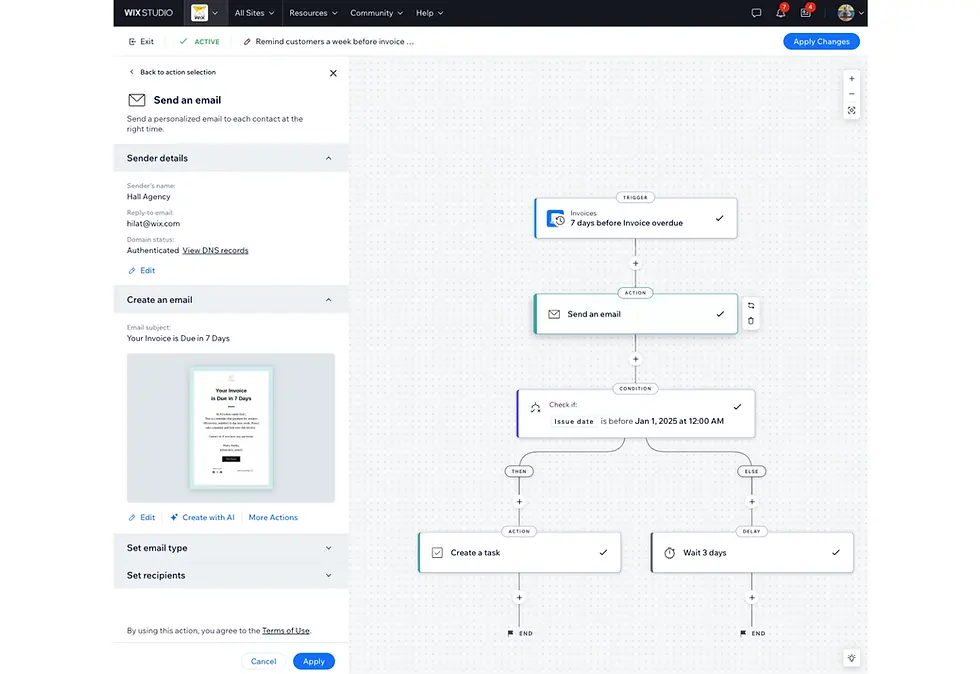
AI and Automation
The rise of AI in web design is transforming how sites are created and maintained.
Tools like AI-powered website builders, chatbots, and automation workflows allow businesses to streamline workflows and improve customer engagement.
This is contributing to the rapid web development industry expansion, making it easier than ever for small businesses and solo entrepreneurs to build powerful websites with fewer resources.

Search Engine Optimization (SEO)
SEO is still one of the most important digital strategies, and it’s deeply integrated into web design.
From page speed to URL structure to schema markup, SEO is baked into the technical and structural elements of a site.
As Google’s algorithms become more sophisticated, businesses are investing in SEO-optimized design to rank higher and attract organic traffic.
This demand plays a key role in the web design industry growth, as brands seek websites that perform as good as they look.
Learn how to boost your website’s ranking with our complete SEO guide.

Conversion Rate Optimization (CRO)
Designing a website that looks good is no longer enough, it needs to convert. That’s where CRO comes in.
From well-placed CTAs to A/B tested landing pages, websites are being engineered to drive more leads and sales.
This growing focus on measurable ROI from design is fueling the website design demand increase, especially for service-based and e-commerce businesses.

Industry Opportunities and Challenges
The web development market is undergoing rapid transformation, and with that comes both exciting opportunities and complex challenges.
As businesses of all sizes increasingly rely on their online presence to attract and convert customers, the demand for professional websites continues to rise.
However, the landscape is also more competitive and fast-paced than ever.
Opportunities in the Web Design Industry
High Demand for Skilled Designers and Agencies
The ongoing web development industry expansion has created a significant demand for multidisciplinary professionals and full-service agencies.
Today’s web designers are expected to go far beyond visuals; they’re tasked with creating responsive websites, crafting compelling UX/UI experiences, optimizing for SEO, writing persuasive copy, integrating web analytics, improving conversion rates (CRO), and supporting e-commerce solutions.
Agencies that offer hybrid solutions, combining web design, development, and digital marketing, are uniquely positioned to thrive.
Businesses are no longer looking for just a pretty homepage, they’re looking for partners who can help them grow.
Niche Markets (Local Businesses, SaaS, Healthcare)
The web design market is saturated with generalists.
That’s why niching down into specific industries like SaaS, real estate, healthcare, or local services is a winning strategy.
No two industries need the same website features, messaging, or user journey.
By specializing in a niche, you can:
Build deeper trust and credibility
Streamline your internal processes
Design websites tailored to that industry’s specific business goals
At Avansta, we’ve created industry-specific website packages to help our clients stand out in competitive markets. Whether you’re a contractor, coach, or chiropractor, your website should be built for the way you do business.
Subscription-based design services and recurring revenue models
One of the biggest web design business opportunities is shifting from one-time projects to recurring revenue models.
Many beginner designers and freelancers overlook this.
Monthly retainers for services like:
Website maintenance
SEO management
Google Ads or social media advertising
Email marketing automation
…ensure steady income, improve client retention, and make it easier to scale. Plus, clients appreciate ongoing support and results, not just a one-off deliverable.
By offering a subscription-based model, web design agencies can turn a project-based service into a long-term business engine, something the web development market is increasingly leaning toward.
Challenges in the Web Design Industry
Increased Competition
The website design market size has opened doors for thousands of new designers, freelancers, and AI-driven tools, which has also led to commoditization.
Web design is more accessible than ever, which means businesses now compare providers on price, speed, and superficial features.
When we first launched Avansta in Calgary back in 2024, we ranked #250 on Google for “Calgary web design services.”
The competition was fierce, and that’s not unique to Calgary. Every city, every niche is packed with options.
Standing out in this environment requires more than beautiful design, you need a strong brand, compelling offers, proof of results, and deep industry focus.
Clients Expecting Faster Turnaround & Lower Prices
As AI tools and drag-and-drop builders become more mainstream, many clients expect high-quality websites to be delivered in days, not weeks, and for bargain pricing.
It can be incredibly frustrating for experienced designers who know what it takes to deliver results.
The solution? Set clear expectations, educate your clients, and sell value, not time.
Keeping Up With Ever-Changing Tech & Standards
With new platforms, tools, and design trends emerging monthly, staying updated is a full-time job.
AI-powered website builders, voice search optimization, performance updates, and privacy regulations all add new layers of complexity.
The web development market is evolving at a rapid pace, and agencies that don’t keep up risk falling behind. This means continuing education, investing in training, and updating your service offerings regularly.

Future Outlook: What’s Next for Web Design?
The future of web design is evolving fast, driven by innovation, user expectations, and the continuous march of technology.
As we look ahead to the next 3–5 years, it's clear that web design will become even more dynamic, personalized, and integrated with emerging technologies.
Check out our full guide for the complete list of what we believe will shape the future of web design.
Here are some key predictions shaping the future of web design:
Greater Use of AI
AI isn’t just assisting with content anymore, it’s becoming a co-creator in the design process.
We’re already seeing tools that can generate full-page layouts, image assets, and even design feedback.
Expect to see smart layout recommendations based on industry and user goals or auto-generated colour palettes, font pairings, and content blocks. AI can help with website copywriting and provide new ideas for sections and elements.
While AI speeds up production, the human touch will still be essential, especially for emotional storytelling, branding consistency, and conversion-focused UX.
Continued Rise of Mobile-First and Multi-Device Design
With over 60% of global traffic coming from mobile devices, mobile-first design isn’t a trend; it’s the standard.
In the years ahead, we’ll also see a greater rise of responsive website builders, increased focus on accessibility across all screen sizes, and fluid grid systems for seamless adaptability.
These changes reflect how evolving web design trends are shifting to meet users where they are: on the go, across multiple devices, expecting fast and frictionless experiences.
Immersive & Interactive Experiences
The next wave of web design growth will include more interactive storytelling, 3D elements, and immersive micro-interactions, without compromising site speed.
We expect to see scroll-triggered animations, interactive product demos, and parallax effects.
These experiences will make websites not just functional, but memorable.
Bottom Line: The future of web design lies in blending automation with authenticity. Those who embrace evolving web design trends, from AI to mobile-first to immersive UX, will be best positioned to lead in the digital space.
Conclusion
The numbers don’t lie, website design growth statistics show that the industry is booming, with no signs of slowing down.
As more businesses move online and competition increases across every sector, having a high-performing, modern website isn’t optional, it’s a necessity.
From the rise of AI-driven tools to responsive and conversion-focused design, web design is evolving rapidly.
So how big is the web development industry? Currently valued at over $70 billion in 2024 and projected to hit $141 billion globally by 2033, the demand for web design services is only going up.
This explosive growth means there are more opportunities than ever for businesses to leverage great design as a competitive edge, whether that’s through improved user experience, SEO performance, or brand credibility.


%20-%20Text%20%26%20Icon%20-%20White%20(PNG)_edited.png)
Comments